2026: The Scientific Revolution Unfolding – AI, CRISPR, and Biotech's Future
Discover the major scientific breakthroughs shaping 2026, from AI-guided cancer treatments and CRISPR-edited drought-tolerant crops to cell-free diagnostics. A new era of innovation is here.
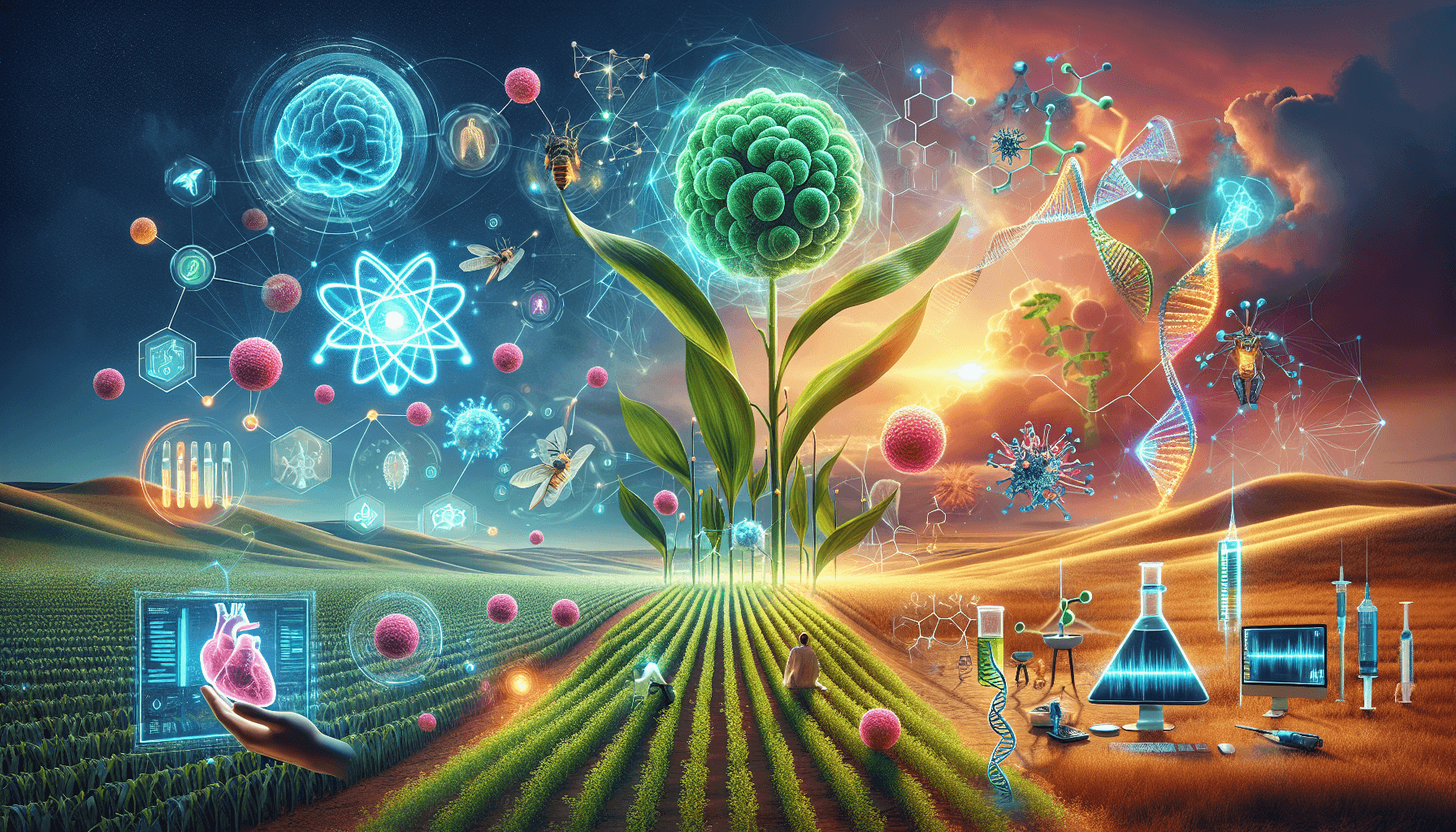
The year 2026 is poised to be a landmark period for scientific advancement, heralding a new era of innovation that promises to reshape our understanding of health, food, and technology. As researchers push the boundaries, three major trends are emerging as particularly transformative: AI-driven personalized medicine, genetically edited crops for a sustainable future, and agile cell-free biomanufacturing for rapid diagnostics. These breakthroughs are already demonstrating tangible benefits, laying the groundwork for a healthier, more resilient world.
AI-Powered Precision in Cancer Care
Unlocking Biomarkers with Artificial Intelligence
The fight against cancer is experiencing a profound shift thanks to Artificial Intelligence. In 2026, AI-guided biomarker discoveries are set to revolutionize how we approach cancer treatment, moving us closer to truly personalized medicine. By analyzing vast datasets, AI algorithms identify subtle patterns and predictive biomarkers that human analysis might miss. This capability allows for more precise patient stratification and tailored therapeutic strategies, dramatically improving outcomes.
A prime example is the groundbreaking work by AstraZeneca and Tempus AI. Their Predictive Biomarker Modeling Framework has shown remarkable success in immuno-oncology trials, achieving a significant 15% survival benefit for patients. This isn't merely an incremental gain; it represents a substantial leap forward in prolonging and improving lives. The ability of AI to predict which patients will respond best to specific immunotherapies marks a new frontier in clinical oncology.
CRISPR-Edited Crops: Cultivating a Resilient Future
Addressing Global Food Security Challenges
With a growing global population and the increasing volatility of climate change, ensuring food security remains a pressing challenge. Enter CRISPR gene-editing technology, fast becoming a cornerstone of sustainable agriculture. In 2026, we are witnessing the widespread impact of CRISPR-edited drought-tolerant crops, designed to withstand harsh environmental conditions and secure vital harvests.
Field trials involving staple crops like rice, wheat, and maize have demonstrated impressive results. These genetically optimized varieties are not only exhibiting enhanced resilience to water scarcity but are also showing increased yields. This breakthrough has immense implications for regions prone to drought, offering a lifeline to farmers and contributing significantly to global food stability. The precision of CRISPR accelerates crop improvement far beyond traditional breeding methods.
Cell-Free Biomanufacturing: Diagnostics at Your Fingertips
Rapid, Accessible Solutions for Healthcare
Beyond medicine and agriculture, biotechnology is also making strides in diagnostics, particularly through cell-free biomanufacturing. This innovative approach produces complex biological molecules, such as proteins or enzymes, without the need for intact living cells. The advantages are manifold: faster production cycles, simpler purification, and greater scalability.
In 2026, cell-free biomanufacturing is proving to be a game-changer for point-of-care diagnostics. Imagine rapid, accurate diagnostic tests deployed quickly and affordably in clinics, remote areas, or even at home. This technology facilitates the rapid development of diagnostic tools for infectious diseases, chronic conditions, and environmental monitoring, democratizing access to critical health information. Its flexibility holds the key to a future where timely diagnoses are readily available to everyone.
Looking Ahead: The Interconnected Future of Science
The scientific landscape of 2026 is characterized by these profound, interconnected advancements. From AI's ability to personalize cancer therapy and CRISPR's role in bolstering our food supply to cell-free biomanufacturing's promise of democratized diagnostics, these emerging trends collectively paint a picture of a future driven by innovation. As these technologies mature and converge, they promise fundamental transformations that will define the next chapter of human progress.