AI Unlocks Protein Secrets: 98% Accuracy Reshapes Drug Design
A groundbreaking AI model achieves 98% accuracy in predicting protein motion, set to revolutionize drug discovery, accelerate therapeutic development, and bring new hope for treating complex diseases.
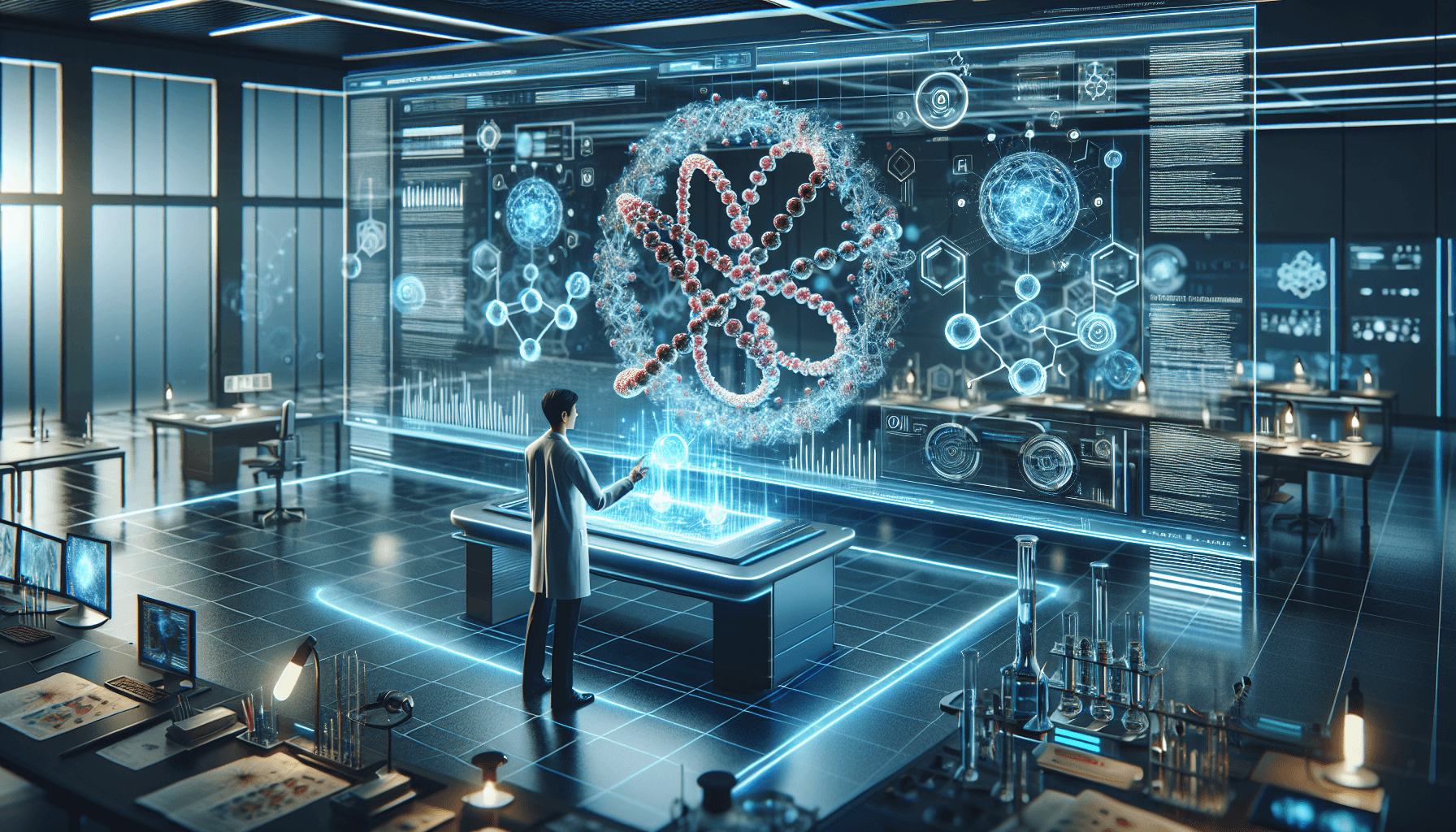
The intricate dance of proteins within our bodies dictates health and disease. For decades, understanding their dynamic movements – how they twist, fold, and interact – has been a monumental challenge, often likened to studying a complex, ever-shifting molecular machine in motion. This fundamental hurdle has significantly slowed the pace of drug discovery, making the search for effective treatments a costly and time-consuming endeavor.
A Quantum Leap in Molecular Understanding
However, a new era in computational biology has dawned. Recent advancements in Artificial Intelligence (AI) have led to the development of a revolutionary model capable of predicting protein motion with an astonishing 98% accuracy. This unprecedented level of precision marks a significant breakthrough, promising to fundamentally transform how we approach medicine and drug development.
Unraveling the Protein's Dynamic World
Proteins are not static structures; they are constantly vibrating, flexing, and changing shape. These dynamic motions are crucial for their biological functions, from catalyzing reactions to transmitting signals and defending against pathogens. Crucially, a drug's effectiveness often hinges on its ability to bind to a protein in a specific conformational state. Traditional experimental methods, while valuable, often capture only snapshots of these complex movements, making it difficult to fully understand drug-protein interactions.
AI's Precision: A Game Changer for Drug Design
The new AI-driven approach leverages sophisticated algorithms and vast datasets to simulate and predict these intricate protein dynamics with remarkable fidelity. By accurately modeling how proteins move and interact over time, researchers can now:
- Identify optimal drug binding sites that might only be accessible during specific protein conformations.
- Predict drug efficacy and potential side effects more accurately, earlier in the development process.
- Design novel molecules that can precisely target disease-causing proteins.
- Accelerate the screening of drug candidates, dramatically reducing the time and cost associated with laboratory experiments.
This leap from mere snapshots to comprehensive motion pictures of proteins is akin to upgrading from a still photograph to a high-definition video in understanding a complex event.
Revolutionizing the Pharmaceutical Landscape
The implications for the pharmaceutical industry are profound. Drug discovery is notoriously expensive and time-consuming, with only a small fraction of experimental compounds ever making it to market. This AI breakthrough has the potential to:
- Reduce R&D costs by streamlining the early stages of drug development.
- Shorten the drug development timeline, bringing life-saving medications to patients faster.
- Unlock treatments for previously "undruggable" targets, opening new avenues for complex diseases like certain cancers, neurodegenerative disorders, and autoimmune conditions.
Imagine designing a drug that perfectly fits a protein's fleeting active state, like a key finding its lock at just the right moment of rotation. This is the promise of 98% accuracy in protein motion modeling.
Pioneering a New Era of Therapeutics
This technology is not just an incremental improvement; it represents a paradigm shift. It empowers scientists to move beyond trial-and-error, embracing a more rational and predictive approach to drug design. From developing more potent antibiotics to creating highly specific therapies for genetic diseases, the scope of its application is vast and transformative.
As this AI technology continues to evolve, it promises to usher in an era where drug discovery is faster, more efficient, and ultimately, more successful. The journey from understanding molecular mechanics to delivering targeted, effective treatments to patients has just received an unparalleled boost, heralding a future where complex diseases might finally meet their match.