
AI's Double-Edged Sword: Hyperscalers See Returns Amidst Soaring Infrastructure Costs
Major U.S. cloud providers are experiencing significant revenue growth from AI services, yet the unprecedented capital expenditure required for AI infrastructure is intensely pressing their cash flow, creating a complex financial landscape.

The global technology landscape is currently undergoing a profound transformation, largely driven by the rapid ascent of artificial intelligence. At the forefront of this revolution are the U.S. hyperscalers – tech giants like Amazon, Microsoft, and Google – who are not only pioneering AI innovation but also seeing tangible returns from their substantial investments. However, this exciting era of AI-driven growth comes with a significant caveat: the colossal costs associated with building out the necessary infrastructure are placing immense strain on their immediate financial liquidity and cash flow.
The AI Gold Rush: Unpacking Hyperscaler Gains
Major cloud providers are increasingly reporting robust revenue streams directly attributable to their AI offerings. This includes everything from advanced machine learning platforms and generative AI models to specialized AI-as-a-service solutions. Enterprises across various sectors are eagerly adopting these tools to enhance efficiency, drive innovation, and unlock new capabilities, fueling a significant uptick in demand for AI-powered cloud services.
A Surge in Demand for Intelligent Solutions
The burgeoning interest in artificial intelligence, particularly generative AI, has translated into a tangible increase in usage and subscription rates for hyperscaler platforms. Developers and businesses are leveraging these powerful tools for tasks ranging from content creation and code generation to data analysis and customer service automation. This widespread adoption underscores the strategic importance of AI within their service portfolios, positioning these companies as indispensable partners in the digital economy.
The Cost of Innovation: Capital Expenditure Soars
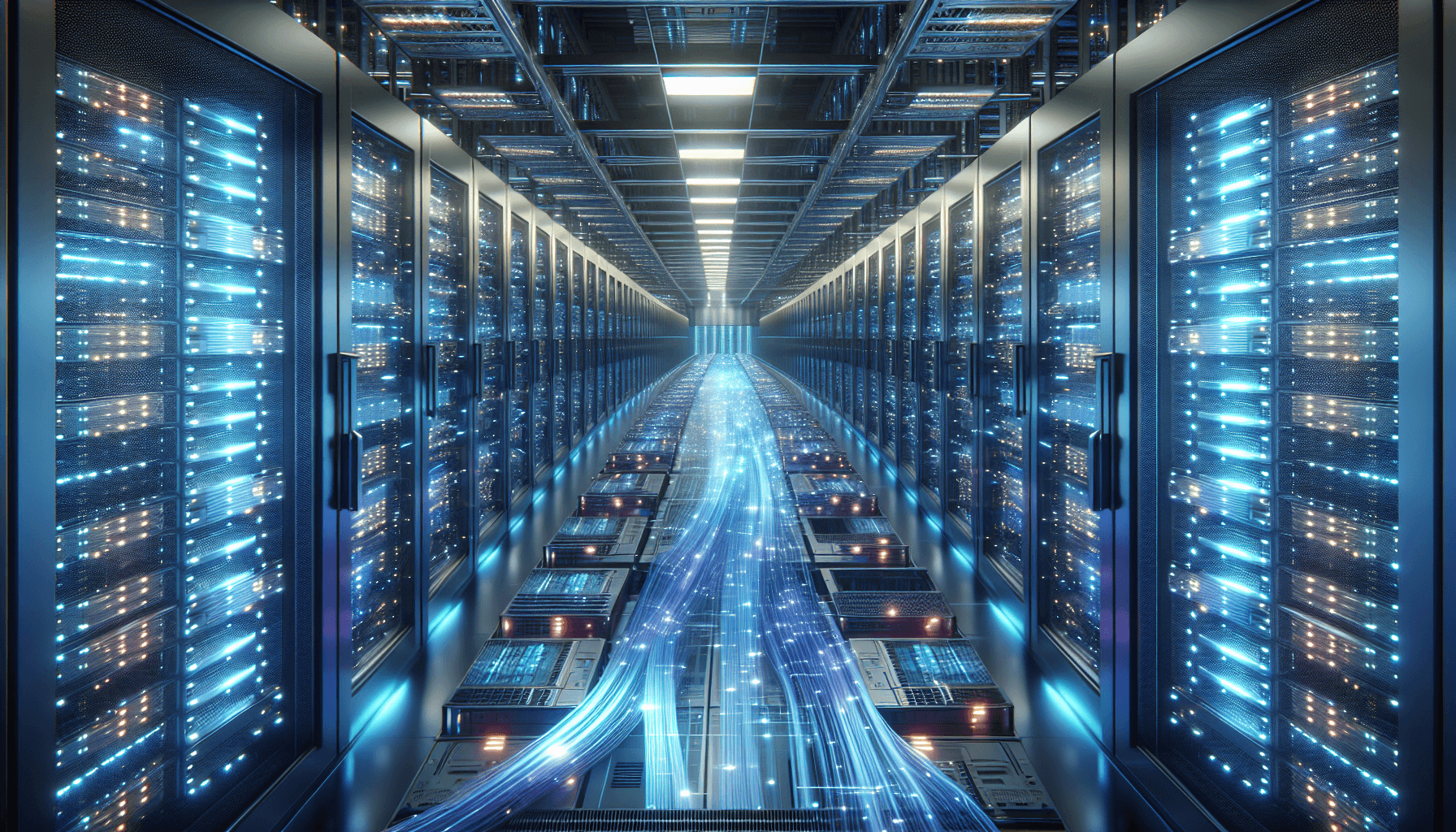
While the revenue figures are encouraging, the flip side of the AI coin is the astronomical capital expenditure (CapEx) required to support this growth. Building and expanding the data centers capable of housing the immense computational power needed for AI models is a monumental undertaking. This involves not just physical construction but also the acquisition of tens of thousands of high-performance Graphics Processing Units (GPUs) – chips that are both expensive and in high demand – along with sophisticated cooling systems, advanced networking hardware, and increased power infrastructure.
Navigating the Cash Flow Conundrum
These unprecedented levels of investment, often running into billions of dollars quarterly, are directly impacting the cash flow of these tech behemoths. Companies must strategically balance the immediate financial outlay with the promise of future, potentially exponential, returns. The pressure on cash flow means that while long-term profitability and market dominance in AI are within reach, the journey there demands a careful financial tightrope walk, requiring robust balance sheets and investor confidence.
Key investments include:
- Advanced GPU Clusters: Essential for training and running complex AI models.
- Data Center Expansion: Building new facilities and upgrading existing ones to handle increased power and cooling needs.
- Network Infrastructure: High-bandwidth connectivity within and between data centers.
- Research & Development: Continuous investment in AI algorithms, models, and talent.
Future Outlook: A High-Stakes Bet
Despite the immediate financial pressures, the long-term strategic imperative for hyperscalers to invest heavily in AI remains undeniable. The companies that establish a dominant position in AI infrastructure and services today are likely to reap significant rewards in the decades to come. This period can be seen as a critical investment phase, where current cash flow sacrifices are deemed necessary to secure future market leadership and competitive advantage in the rapidly evolving AI landscape.
The race to build the most robust and efficient AI infrastructure is a high-stakes bet, but one that these tech giants are evidently committed to. As AI continues to permeate every industry, the foundational investments made by hyperscalers will determine their ability to capitalize on this transformative technology, shaping the future of digital innovation and global commerce.
How this article was made
- Sources
- Reuters
- Rewriting model:
- gemini-2.5-flash
- Image generated with:
- xAI Grok
- Generated on:
- Jul 22, 2026
This content is produced by Acerbo.AI's AI editorial pipeline: source gathering, rewriting and imagery are automated. Editorial oversight stays human.
Related Articles
The AI Gold Rush: Big Tech's $650 Billion Bet on Future Infrastructure by 2026
Tech giants are poised to invest a staggering $650 billion in AI infrastructure by 2026, fueling an unprecedented capital expenditure race to dominate the future of artificial intelligence.

The AI Infrastructure Paradox: Big Tech's Billion-Dollar Bet Pays Off, But So Do the Bills
Tech giants' massive investments in AI infrastructure are yielding unprecedented results, validating their strategic vision. However, this success is now accompanied by rising costs for access.

AI's Ascendancy: How Spending, Valuations, and Enterprise Budgets Are Redefining Tech
The global tech landscape is undergoing a monumental shift as artificial intelligence drives unprecedented spending, inflates startup valuations, and reshapes corporate tech budgets. Discover the forces at play.