AI's Precision Strike: Revolutionizing Cancer Treatment Through Biomarker Discovery
Artificial intelligence is transforming cancer care by accelerating the discovery of biomarkers, paving the way for highly personalized and effective treatment options.
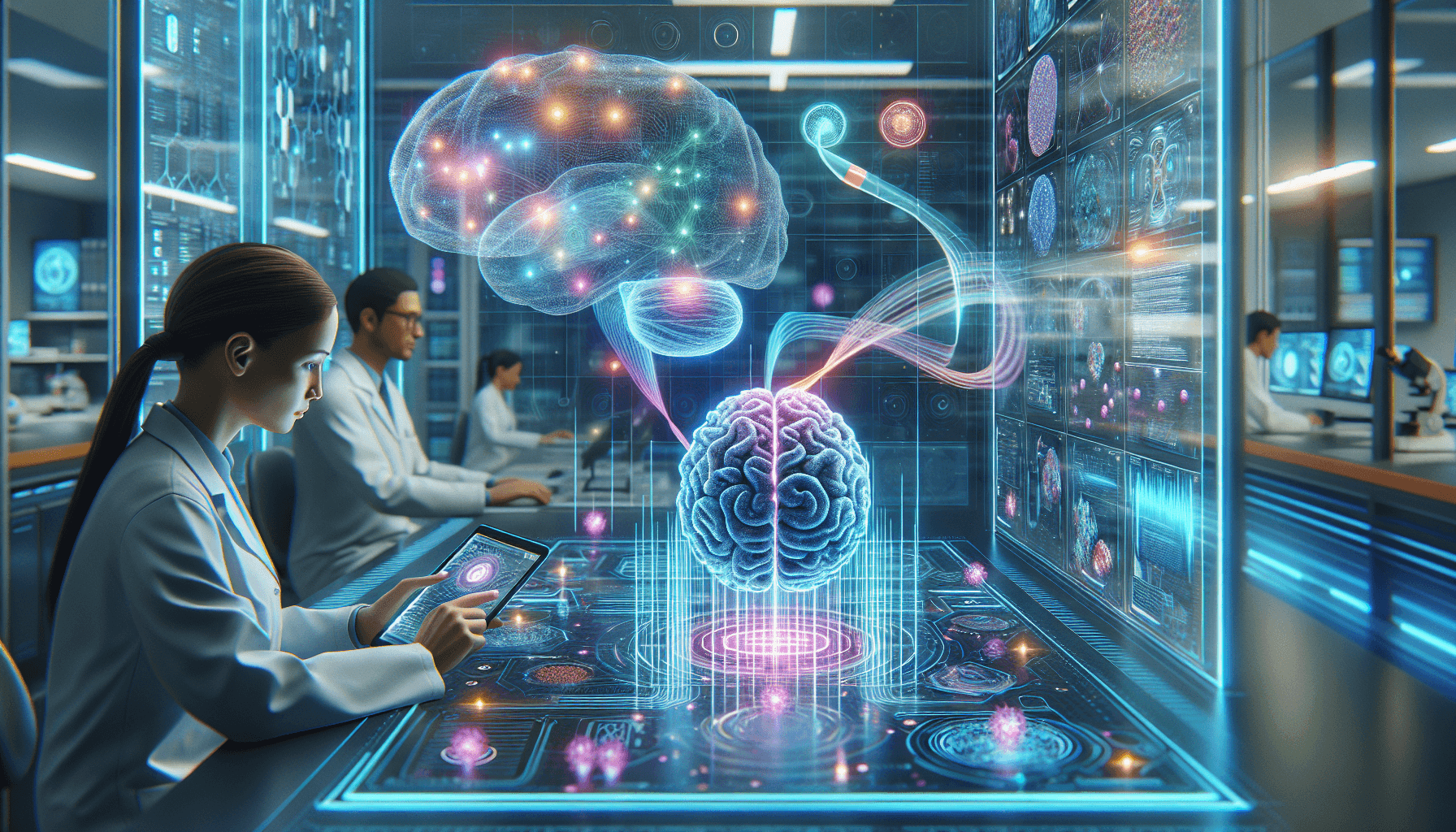
The Dawn of Precision Oncology: AI's Role in Cancer Breakthroughs
Imagine a future where cancer treatments are not just effective, but precisely tailored to your unique biological makeup. This vision is rapidly becoming a reality, thanks to the groundbreaking convergence of artificial intelligence (AI) and biomarker discovery. AI is emerging as a critical catalyst, accelerating our understanding of cancer at a molecular level and paving the way for highly personalized and potent therapeutic strategies.
For too long, cancer treatment has been a challenging journey of trial and error. However, with the integration of advanced computational power, oncologists are gaining unprecedented insights, promising a new era where diagnoses are swifter, treatments are more targeted, and patient outcomes are significantly improved.
Unlocking Cancer's Secrets with Biomarkers
At the heart of this revolution are biomarkers – measurable indicators of a biological state. In oncology, these could be genetic mutations, specific proteins, or even patterns of gene expression that signal the presence of cancer, its aggressiveness, or how it might respond to a particular drug. Identifying the right biomarkers is crucial for developing precision medicine.
Historically, finding these elusive markers has been a labor-intensive and time-consuming process. Researchers sifted through vast amounts of biological data, often limited by human capacity and the sheer complexity of cellular interactions. This is where AI steps in as a game-changer.
AI: The Catalyst for Breakthrough Discoveries
Artificial intelligence isn't just a buzzword; it's a powerful engine capable of processing and analyzing data at a scale and speed unimaginable to humans. In the context of biomarker discovery, AI algorithms, particularly machine learning and deep learning models, can scrutinize massive datasets – including genomic, proteomic, clinical, and imaging data – to uncover subtle, complex patterns that signify potential biomarkers.
These algorithms can identify correlations between specific genetic profiles and drug responses, predict disease progression, and even pinpoint novel targets for therapeutic intervention. This analytical prowess dramatically shortens the discovery timeline, moving promising candidates from the lab to clinical trials much faster.
From Big Data to Tailored Therapies
The impact of AI-guided biomarker discovery extends directly to patient care. By identifying precise biomarkers, doctors can:
- Personalize Treatment Plans: Match patients to the therapies most likely to succeed, minimizing ineffective treatments and their associated side effects.
- Predict Drug Response: Foresee how a patient's tumor will react to certain drugs, allowing for proactive adjustments.
- Enable Earlier Detection: Develop highly sensitive diagnostic tools that can detect cancer at its earliest, most treatable stages.
- Monitor Disease Progression: Track treatment effectiveness and detect recurrence more accurately.
This shift towards precision oncology means less guesswork and more targeted action, significantly enhancing the quality of life for cancer patients and improving their prognosis.
The Horizon: A New Era in Oncology
The integration of AI into biomarker discovery marks a pivotal moment in cancer research and treatment. While challenges remain, such as ensuring data privacy, validating AI models across diverse populations, and integrating these technologies into clinical workflows, the potential benefits are immense. We are on the cusp of a new era where AI acts as a co-pilot for scientists and clinicians, guiding them towards more effective, less toxic, and truly personalized cancer care.
As AI technologies continue to evolve, they promise to unlock even deeper insights into cancer's intricate mechanisms, transforming this formidable disease into something increasingly manageable. The future of oncology is bright, powered by the intelligent collaboration between human ingenuity and artificial intelligence.