AI's Rapid Ascent: A Week of Unprecedented Innovation and Ethical Debates
The second week of February 2026 saw groundbreaking advancements in multimodal generative AI, significant strides in healthcare and robotics, and intensified global discussions on AI ethics and regulation.
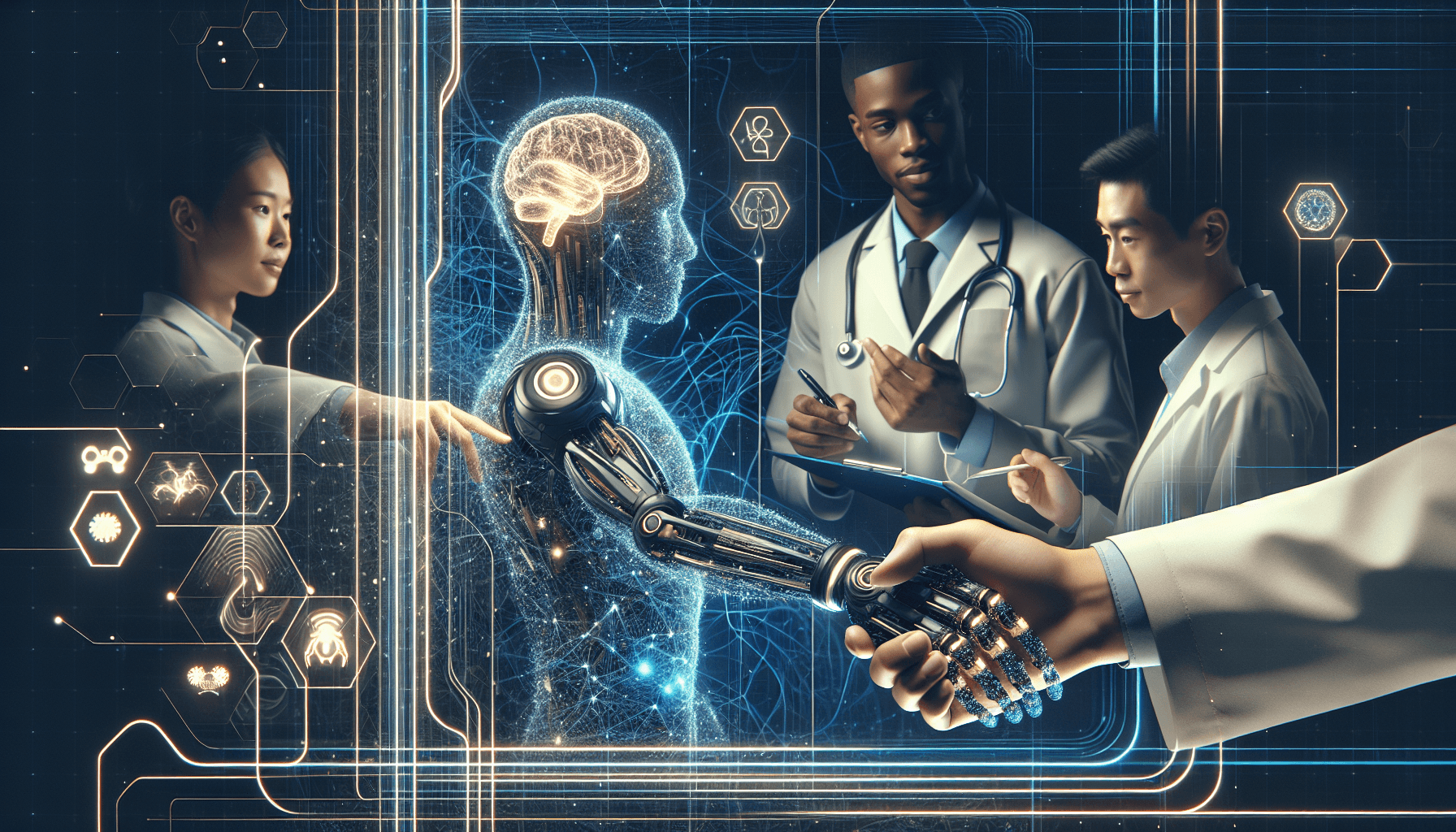
The second week of February 2026 proved to be another seismic period for Artificial Intelligence, marking significant advancements across multiple domains. From groundbreaking multimodal generative models to critical strides in ethical governance, the global AI landscape continues its relentless march forward, reshaping industries and societal norms at an unprecedented pace. This past week underscored both the immense potential and the urgent need for thoughtful stewardship as AI systems become increasingly sophisticated and integrated into our daily lives.
Generative AI Redefines Creativity and Efficiency
Multimodal Models Achieve Hyper-Realism
The spotlight this week shone brightly on generative AI, with new models pushing the boundaries of what's possible in content creation. Breakthroughs in multimodal AI, exemplified by the rumored "OmniGen 4" architecture, demonstrated an astonishing leap towards hyper-realistic content synthesis. This new generation of models can seamlessly integrate complex text prompts with visual and auditory cues to produce coherent, high-fidelity videos, interactive simulations, and even entire virtual environments in mere seconds. The implications for entertainment, advertising, and digital design are truly transformative, promising a future where creative concepts can materialize with unparalleled speed and precision.
Beyond entertainment, these advanced generative capabilities are finding critical applications in enterprise. Imagine automated marketing campaigns tailored with dynamic video assets, or intricate architectural designs rendered instantly from conceptual sketches. The ability to generate vast datasets for training other AI models, or to rapidly prototype product designs, is already revolutionizing workflows across sectors. Key features highlighted include:
- Seamless text-to-video generation with emotional nuance.
- Dynamic 3D model synthesis from natural language descriptions.
- Adaptive content personalization for diverse audience segments.
- Rapid prototyping and iteration for product development.
AI's Tangible Impact: Health and Robotics Advance
Accelerating Medical Discovery with Predictive AI
The healthcare sector continues to be a fertile ground for AI innovation, and the past week saw exciting developments in predictive diagnostics and personalized medicine. New AI-powered platforms are dramatically accelerating the drug discovery pipeline, with one prominent report detailing how machine learning algorithms identified several promising molecular compounds for neurodegenerative diseases, significantly reducing experimental trial times. Furthermore, advanced diagnostic AI tools are achieving unprecedented accuracy in early disease detection, offering hope for more effective interventions and improved patient outcomes. This shift towards proactive, personalized healthcare is becoming a tangible reality.
Robotics Embrace Collaborative Intelligence
In robotics, the emphasis shifted towards enhanced human-robot collaboration and increased autonomy in complex environments. Next-generation collaborative robots, or cobots, are now integrating sophisticated natural language processing and advanced perception systems, allowing them to understand nuanced human commands and adapt to unpredictable situations on factory floors and in logistics hubs. This move aims to boost productivity while ensuring safety and flexibility, paving the way for more intelligent automation across industries. The real-world impact of these advancements is clear:
- Enhanced surgical precision and personalized treatment plans in medicine.
- Accelerated research and development for new therapeutic compounds.
- Optimized logistics and supply chain management through smart automation.
- Advanced human-robot collaboration, boosting efficiency and safety in manufacturing.
Navigating the Ethical Frontier and Global Regulation
Calls for Standardized AI Governance Intensify
As AI's capabilities expand, so too does the urgency of establishing robust ethical frameworks and regulatory guidelines. This week witnessed renewed calls from international bodies for standardized global AI governance, focusing on data privacy, algorithmic transparency, and bias mitigation. Discussions intensified around the necessity of explainable AI (XAI), ensuring that decisions made by autonomous systems can be understood and audited by humans. The ongoing debate concerning intellectual property rights for AI-generated content also reached a fever pitch, with creators and tech companies seeking clearer legal precedents. Key ethical considerations driving these discussions include:
- Ensuring robust data privacy and cybersecurity protocols.
- Developing effective methods for identifying and mitigating algorithmic bias.
- Establishing clear intellectual property rights for AI-generated creative works.
- Implementing comprehensive explainable AI (XAI) frameworks for accountability.
The week of February 15-22, 2026, served as a powerful reminder of Artificial Intelligence's dual nature: a catalyst for unprecedented innovation and a complex challenge demanding careful ethical consideration. From dazzling new generative models to life-saving healthcare applications and the intricate dance of global regulation, AI continues to evolve at a breathtaking pace. The trajectory is clear: AI will become ever more pervasive and powerful, necessitating continuous dialogue, proactive policy-making, and responsible development to harness its benefits for all of humanity.