Apple's Smart Home Display Delayed Again: Is Siri's AI the Ultimate Roadblock?
Apple's highly anticipated smart home display faces another delay, reportedly due to ongoing challenges with Siri's artificial intelligence capabilities. This setback highlights the complexities of advanced AI development.
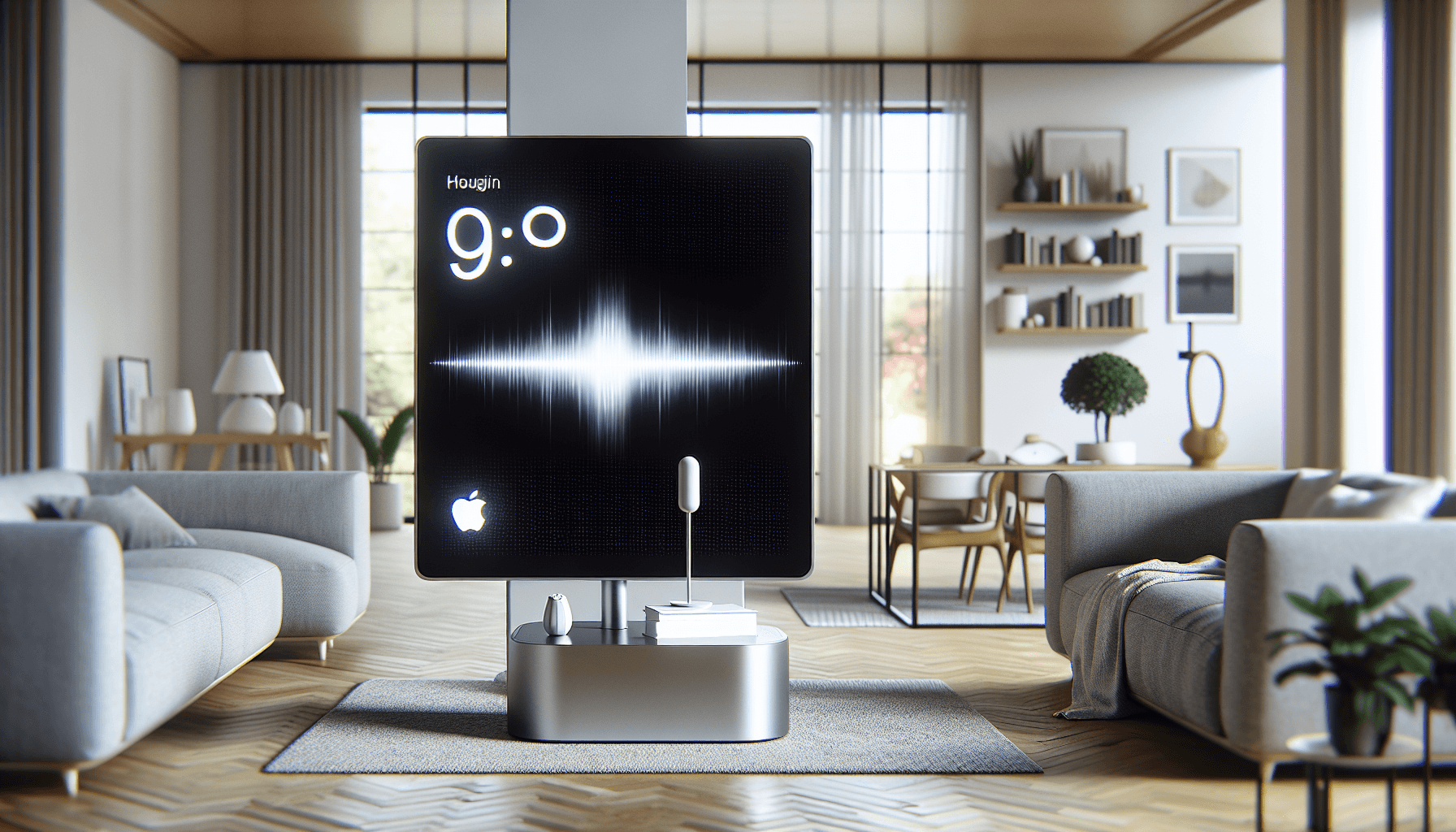
Apple's Smart Home Display Delayed Again: Siri AI Under Scrutiny
Apple, a company synonymous with pushing technological boundaries, finds itself in a familiar yet frustrating predicament: another delay for its highly anticipated smart home display. The persistent culprit? None other than its long-standing digital assistant, Siri. This latest setback, reportedly linked to shortcomings in Siri's artificial intelligence, underscores the immense challenges in developing truly intelligent AI capable of powering the next generation of smart devices and meeting Apple's stringent user experience standards.
Siri's Enduring Struggle for Smarter Conversations
Since its groundbreaking introduction, Siri has often faced criticism for lagging behind competitors like Amazon's Alexa and Google Assistant in terms of conversational fluidity, contextual understanding, and overall utility. Despite continuous updates and incremental improvements over the years, the perception of Siri as a "less capable" AI persists among many users. This isn't merely a matter of minor bugs; it points to fundamental architectural hurdles in achieving the sophisticated, proactive intelligence required for a premium smart home hub, especially one designed to be the central brain of an entire ecosystem.
Apple's Grand Smart Home Vision on Hold
The rumored smart home display from Apple is envisioned as far more than just a speaker with a screen. Industry analysts and leaked information suggest it's designed to be a central command center for the Apple ecosystem, seamlessly integrating HomeKit devices, facilitating FaceTime calls, enabling media consumption, and offering proactive assistance, all controlled by voice and touch. Such an ambitious device demands an AI that doesn't just respond to explicit commands but anticipates user needs, understands complex, multi-layered queries, and provides truly personalized and intuitive experiences. The repeated delays strongly suggest that Apple is unwilling to launch a product that doesn't meet its own exceptionally high standards, particularly concerning the core user interaction driven by Siri.
The Intricate World of Advanced AI Development
Developing a robust, natural language understanding (NLU) and natural language generation (NLG) system that can operate reliably across diverse accents, contexts, and user intentions is a monumental task. It requires immense datasets, sophisticated machine learning models, and continuous, iterative refinement. For Apple, this challenge is amplified by its unwavering commitment to user privacy, which often necessitates more on-device processing and a cautious approach to cloud-based data mining compared to some rivals. While commendable, this privacy-first strategy can sometimes slow down the rapid iteration and data-driven improvement process that is often crucial for accelerating AI development.
Navigating a Crowded Smart Home Market
The smart home display market is already a fiercely competitive arena, with established players like Google's Nest Hub and Amazon's Echo Show lines dominating. These competitors have had years to refine their AI assistants and integrate them deeply with their respective hardware, offering a wide range of features and price points. Apple's eventual entry would need to be exceptionally compelling and offer a distinctly superior user experience to carve out a significant market share. A subpar or inconsistent Siri experience in a flagship smart home product would undoubtedly be a major liability, potentially hindering adoption and reinforcing existing perceptions.
The Future: Siri's Evolution and Apple's Ecosystem
For Apple, the path forward likely involves a significant overhaul or re-architecture of Siri's underlying intelligence. This isn't just about adding new features; it's about fundamentally enhancing its cognitive capabilities to make it a truly proactive and indispensable assistant. The success of future Apple hardware, especially in the burgeoning smart home and ambient computing categories, hinges on Siri evolving into an intelligent, seamless, and reliable interface. The company's global reputation for premium design, seamless integration, and unparalleled user experience means it must get Siri right, even if it entails further, frustrating delays for eager consumers.
Conclusion: Perfection vs. Punctuality
Apple's decision to once again postpone its smart home display is a clear indication of the company's perfectionist ethos colliding with the complex realities of advanced AI development. While frustrating for eager consumers and a sign of the formidable challenges in AI, it ultimately highlights Apple's commitment to delivering a polished, high-quality experience rather than rushing an unfinished product to market. The ongoing saga of the smart home display and Siri serves as a critical barometer for Apple's future ambitions in an increasingly AI-driven world, emphasizing that even tech giants face significant hurdles in pushing the boundaries of what's truly possible.