
Bacterial Masterminds: Scientists Uncover How Microbes Reprogram Host DNA to Reshape Cells
A groundbreaking discovery reveals bacteria actively rewire host DNA machinery, fundamentally altering cell shape and function. This changes our understanding of microbial interaction and disease.
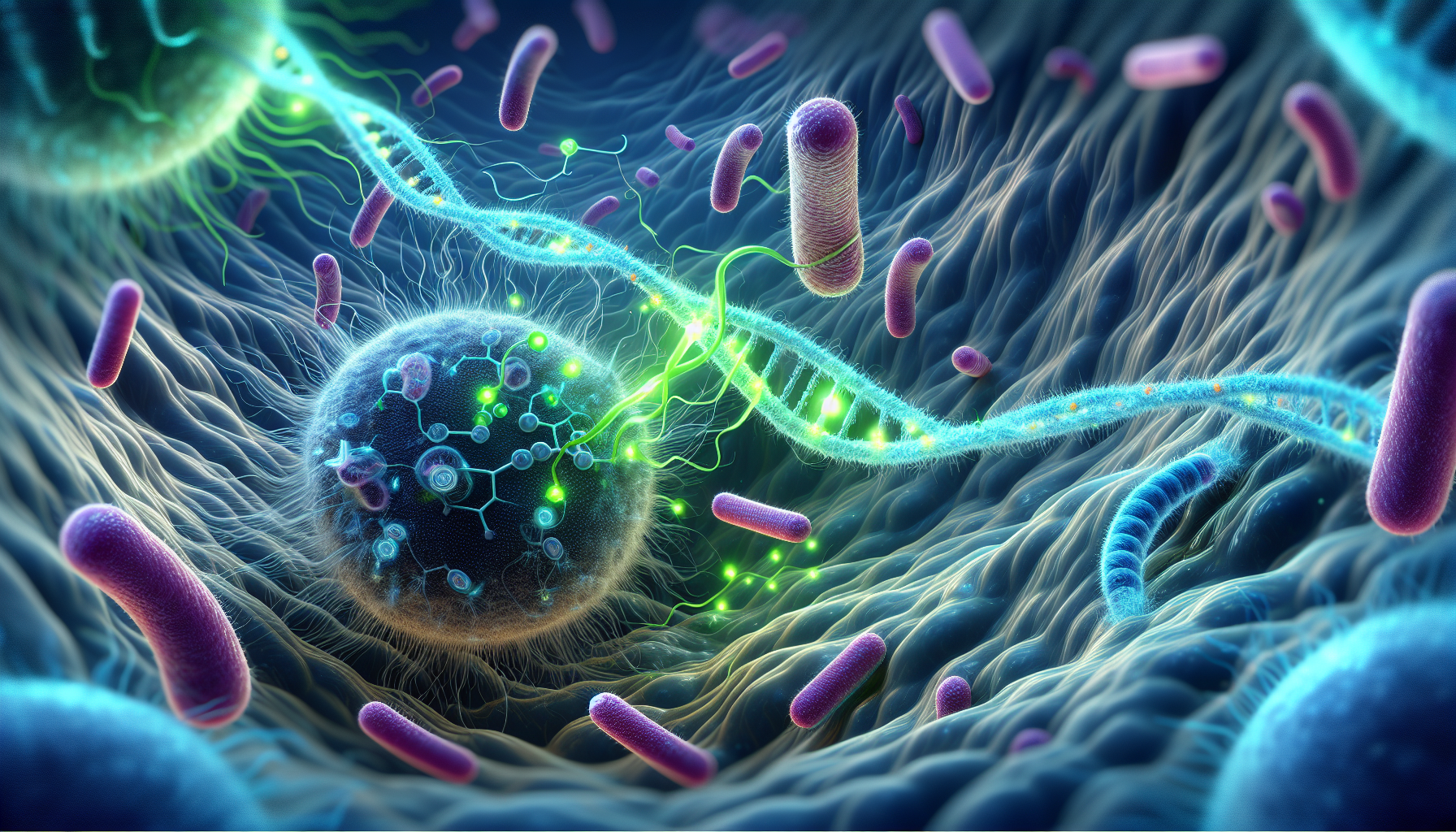
Revolutionary Insight: Bacteria's Unexpected Genetic Control
For decades, our understanding of bacterial interaction with host cells primarily focused on invasion, resource consumption, and toxin production. However, a recent scientific breakthrough has unveiled a far more sophisticated and astonishing capability: certain bacteria are not merely exploiting their hosts, but are actively reprogramming the very DNA machinery that dictates cell shape and function. This revelation has left scientists stunned, opening up entirely new avenues for understanding disease, evolution, and potential therapeutic interventions.
Unveiling the Microbial Architects
The discovery signifies a profound paradigm shift in microbiology. Researchers have identified mechanisms by which bacteria can directly interfere with the host cell's genetic blueprint, specifically targeting elements of its DNA machinery. Instead of simply causing damage or competing for nutrients, these microbial masterminds are orchestrating a fundamental transformation, effectively dictating the architectural layout of host cells for their own benefit.
This level of manipulation suggests an intricate, long-evolved relationship where bacteria have developed sophisticated tools to commandeer host cellular processes at a foundational level. It's a testament to the complex co-evolutionary dance between microbes and their hosts.
The Intricate Mechanism of Genetic Rewiring
How do these tiny invaders achieve such profound control? The findings indicate that bacteria deploy specialized molecules – likely proteins or nucleic acids – that interact directly with the host cell's chromatin and gene expression regulators. Chromatin, the complex of DNA and proteins that forms chromosomes, plays a critical role in controlling which genes are turned on or off, and ultimately, the cell's identity and structure.
By effectively "rewiring" this machinery, bacteria can:
- Alter Cell Morphology: Induce changes in the physical shape and size of host cells. This could create more favorable niches for bacterial replication or help evade immune detection.
- Modify Cellular Functions: Reprogram host cells to perform tasks beneficial to the bacteria, such as producing specific nutrients or suppressing immune responses.
- Influence Gene Expression: Directly impact which genes are activated or silenced, leading to cascading effects on cell behavior and fate.
This isn't a crude takeover; it's a precise, targeted manipulation that leverages the host's own genetic infrastructure against itself.
Far-Reaching Implications for Biology and Medicine
The implications of this discovery are vast and multidisciplinary:
- Rethinking Host-Pathogen Dynamics: Our understanding of infectious diseases will need to be re-evaluated, considering this deeper level of microbial control. Many chronic or complex infections could be driven by such reprogramming efforts.
- Novel Therapeutic Avenues: Identifying the specific bacterial molecules and host targets involved in this rewiring could lead to entirely new classes of antimicrobial drugs. Instead of merely killing bacteria, we might develop therapies that block their ability to manipulate our cells, thereby neutralizing their pathogenic effects without contributing to antibiotic resistance.
- Insights into Evolution: This sophisticated interaction highlights the intense evolutionary arms race between microbes and multicellular organisms, revealing new strategies pathogens employ to survive and thrive.
- Biotechnology Potential: Understanding how bacteria precisely manipulate gene expression and cell shape could inspire novel tools for genetic engineering or regenerative medicine, potentially allowing us to mimic or adapt these natural mechanisms for therapeutic purposes.
The Road Ahead: Unlocking Microbial Secrets
Scientists are now embarking on an intensive journey to fully characterize these bacterial reprogramming mechanisms. Future research will focus on identifying the full repertoire of bacterial tools, their precise targets within diverse host cells, and how widespread this phenomenon is across different bacterial species. This groundbreaking work promises to unlock secrets that could revolutionize our approach to preventing and treating a wide array of diseases, ushering in a new era of biological understanding and biotechnological innovation.
How this article was made
- Sources
- ScienceDaily
- Generated on:
- Apr 21, 2026
This content is produced by Acerbo.AI's AI editorial pipeline: source gathering, rewriting and imagery are automated. Editorial oversight stays human.
Related Articles
Unlocking Life's Blueprints: How Bacteria Mastermind Their Own Cellular Architecture
A groundbreaking discovery reveals bacteria possess an unprecedented ability to 'rewire' their genetic machinery, actively dictating their own cell shape. This finding challenges fundamental biological understanding and opens doors for revolutionary applications in medicine and biotechnology.
Unveiling Nature's Architects: How Bacteria Actively Reshape Their Own Cells
Scientists are astounded by a groundbreaking discovery: certain bacteria possess the ability to actively rewrite their genetic instructions, manipulating their cellular machinery to precisely control and alter their own physical shape. This challenges fundamental biological paradigms.
Beyond the Brink: Scientists Discover Surprising New Mechanism in Cell Death
Groundbreaking research has unveiled an unexpected twist in the intricate process of cell death, challenging long-held biological assumptions and opening new avenues for understanding disease.