Beyond Brittle: Scientists Uncover Potential Pathway to Lifelong Bone Strength
New research offers a groundbreaking glimpse into a future where brittle bones could be a thing of the past, with scientists exploring novel ways to maintain skeletal integrity throughout life.
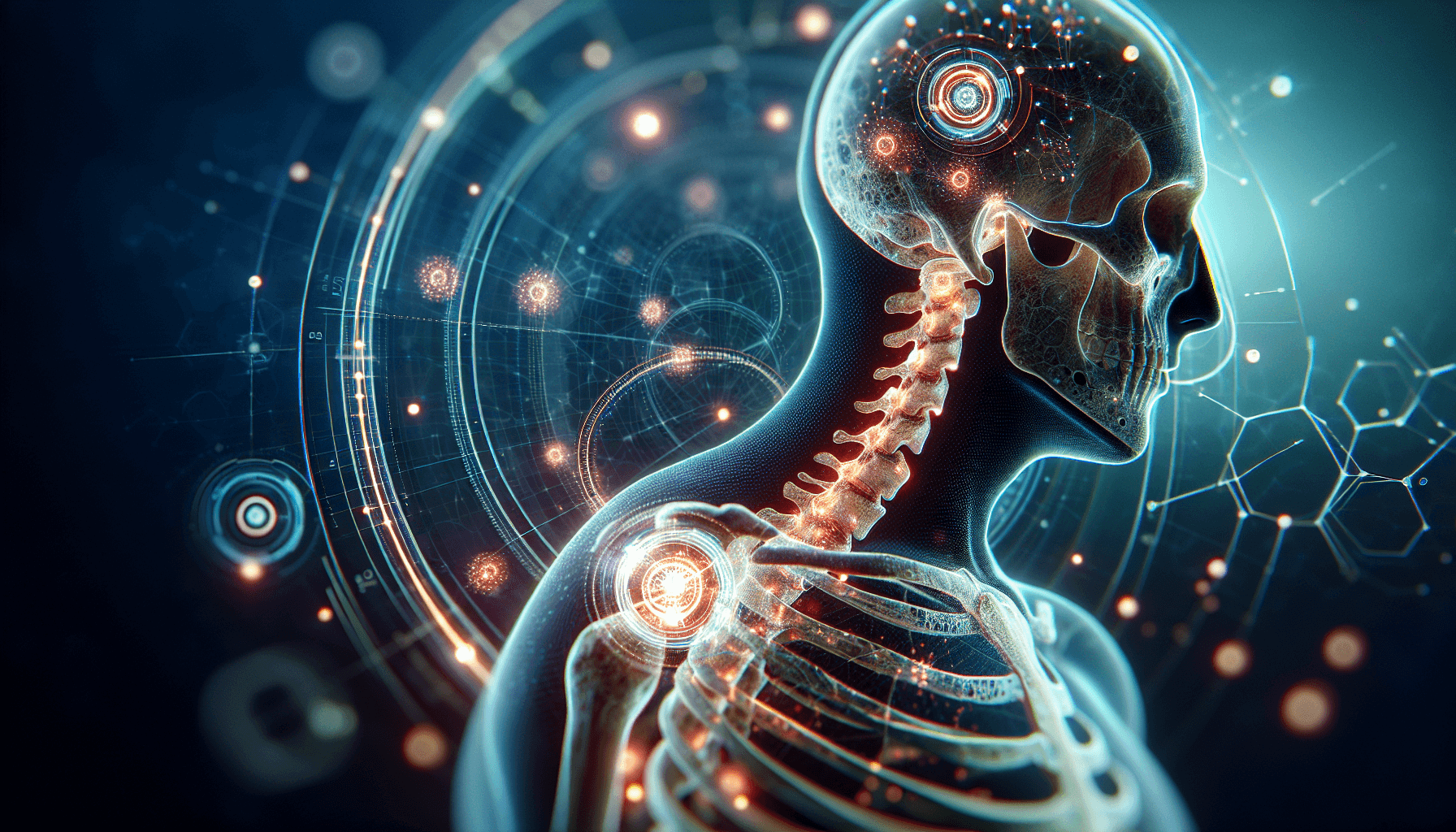
The Quest for Indestructible Bones: A Scientific Breakthrough
Imagine a future where the specter of osteoporosis and age-related bone fractures is banished, where our skeletal framework remains robust and resilient throughout our entire lives. This may sound like science fiction, but recent advancements in bone biology are bringing this vision closer to reality. Scientists are on the cusp of understanding fundamental mechanisms that could allow us to maintain peak bone strength, offering a revolutionary approach to health and longevity.
Unraveling the Mystery of Bone Deterioration
For decades, the gradual weakening of bones, particularly conditions like osteoporosis, has been an inevitable consequence of aging for many. This debilitating condition affects millions globally, leading to increased fracture risk, pain, and reduced quality of life. Traditional treatments often focus on slowing bone loss or managing symptoms, but a permanent, preventative solution has remained elusive.
The intricate process of bone remodeling – a constant dance between bone-forming cells (osteoblasts) and bone-resorbing cells (osteoclasts) – dictates our bone health. As we age, this delicate balance often tips, with resorption outpacing formation, leading to weaker, more porous bones. Understanding how to restore and maintain this equilibrium is key to lifelong bone strength.
A Glimmer of Hope: Targeting Cellular Pathways
Exciting new research, highlighted in recent scientific publications, points towards novel therapeutic targets that could fundamentally alter this aging process. Researchers are exploring specific molecular pathways and cellular signals that regulate the activity and lifespan of osteoblasts and osteoclasts. By modulating these pathways, scientists believe it might be possible to perpetually stimulate bone formation or significantly inhibit excessive bone breakdown.
One promising avenue involves enhancing the activity of osteoblasts, essentially boosting the body's natural bone-building capacity. Another focuses on recalibrating the immune system's role in bone health, as inflammation can significantly contribute to bone loss. These insights move beyond simple nutrient supplementation, delving into the core biological processes that govern skeletal integrity.
The Promise of Prevention, Not Just Treatment
The implications of these findings are profound. Instead of merely treating osteoporosis once it manifests, this research opens the door to truly preventative strategies. Imagine a future where interventions, perhaps initiated early in life or at critical junctures, could program our bones for enduring strength. This could drastically reduce the global burden of bone-related diseases, freeing individuals from the fear of debilitating fractures and enabling a more active, independent old age.
- Reduced Fracture Risk: A major decrease in hip, spine, and wrist fractures.
- Enhanced Quality of Life: Greater mobility and independence in later years.
- Economic Impact: Significant savings in healthcare costs related to fracture treatment and long-term care.
The Road Ahead: From Lab to Lifelong Health
While these discoveries represent a significant leap forward, it's crucial to remember that they are still in early stages. Extensive preclinical studies and rigorous clinical trials will be necessary to translate these promising laboratory findings into safe and effective treatments for humans. The journey from scientific breakthrough to widely available therapy is often long and complex, but the potential rewards are immense.
Nevertheless, the scientific community is optimistic. The prospect of unlocking the secrets to lifelong bone strength is no longer a distant dream but a tangible goal within our scientific grasp. This research not only promises to revolutionize how we approach bone health but also contributes significantly to the broader understanding of aging and human resilience.