Cosmic Time Capsule: Students Uncover Universe's Most Pristine Star
Astronomy students have made an astonishing discovery: the most pristine star ever found, offering an unprecedented glimpse into the early universe's composition.
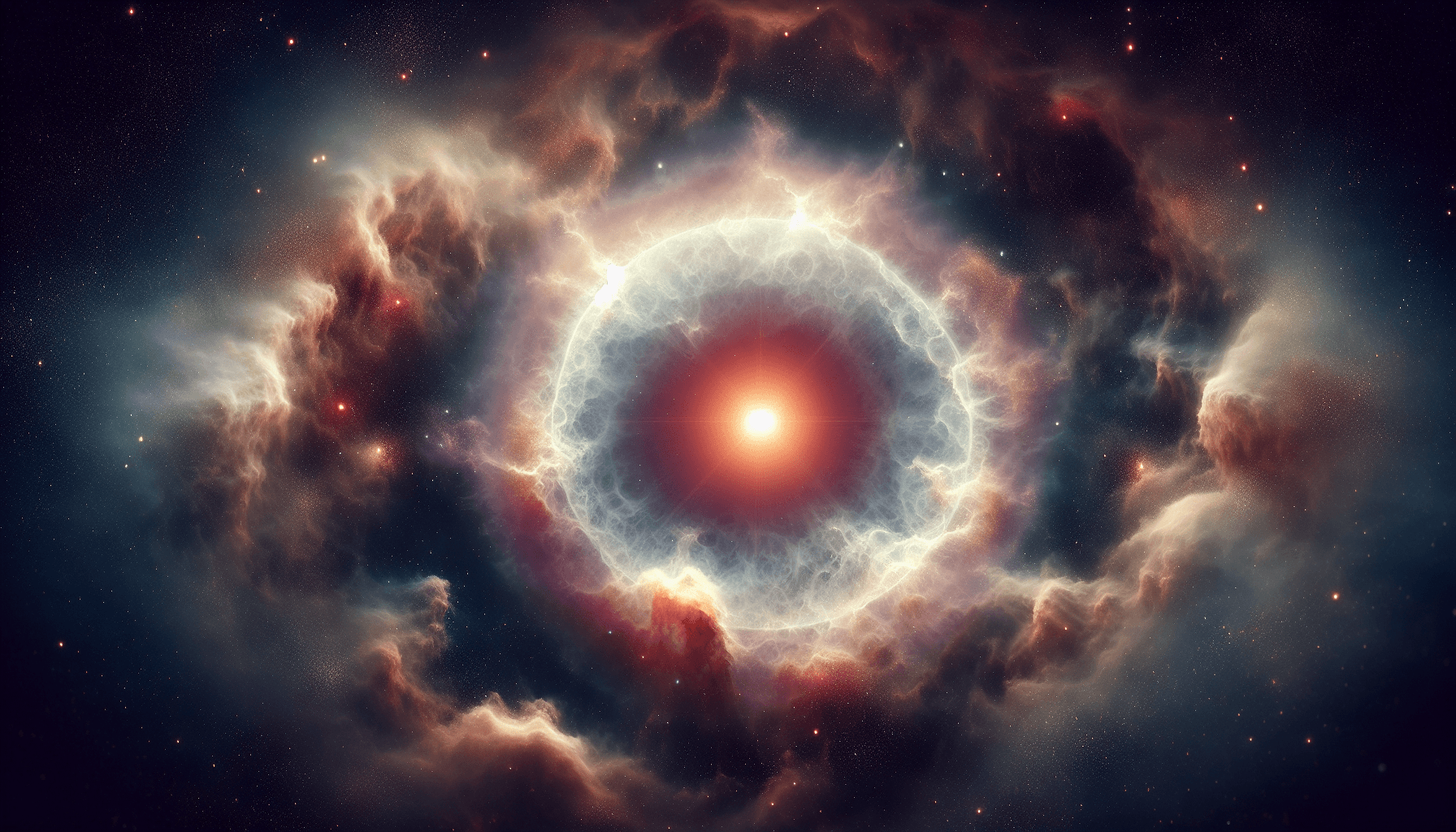
A Glimpse into the Dawn of Time: Unearthing the Universe's Oldest Secrets
In a remarkable feat of astronomical detective work, a team of dedicated astronomy students has announced the discovery of the most pristine star ever observed. This incredible find is more than just another celestial body; it's a true cosmic time capsule, offering an unprecedented window into the universe's infancy, just moments after the Big Bang. The star's unique composition provides invaluable clues about the conditions and elements present during the earliest epochs of cosmic history, challenging and confirming current cosmological models.
The Quest for Primordial Starlight
For decades, astronomers have been on a relentless quest to locate stars formed from the primordial gas that emerged after the Big Bang. These 'first-generation' stars are theorized to be almost entirely composed of hydrogen and helium, with only trace amounts of heavier elements, often referred to as 'metals' by astronomers. Such stars are exceedingly rare, as subsequent generations of stars have enriched the universe with heavier elements forged in their cores and distributed through supernova explosions.
The students' breakthrough came through meticulous analysis of spectroscopic data, where they identified a star exhibiting an extraordinarily low abundance of metals. This characteristic is the hallmark of a truly ancient star, one that formed before significant chemical enrichment of the cosmos had taken place. It's akin to finding an untouched fossil from the very beginning of life on Earth.
What Makes a Star 'Pristine'?
When astronomers talk about a 'pristine' or 'metal-poor' star, they are referring to its chemical composition. The universe began with primarily hydrogen and helium. Over billions of years, stars have created heavier elements like carbon, oxygen, iron, and gold through nuclear fusion and distributed them into space upon their death. Therefore, stars formed later contain more of these heavier elements.
- Population III Stars: The theoretical first stars, entirely metal-free. None have been directly observed yet.
- Population II Stars: Older, metal-poor stars, like the one just discovered, which formed from gas slightly enriched by the very first stars.
- Population I Stars: Younger, metal-rich stars, like our Sun, formed from gas that has undergone significant chemical enrichment.
The newly discovered star fits squarely into the Population II category, but with a metallicity so low it pushes the boundaries of what was previously thought possible for observable stars. This makes it an incredibly valuable specimen for stellar archaeology.
Unlocking the Universe's Earliest Chemistry
The significance of this discovery cannot be overstated. By studying the precise elemental composition of this pristine star, scientists can directly test theories about nucleosynthesis – the process by which elements were formed – in the very early universe. It provides empirical data that helps refine our understanding of the conditions prevalent just millions of years after the Big Bang, long before galaxies had fully formed.
Such ancient stars act as direct probes of the primordial interstellar medium. Their chemical fingerprints tell a story of the cosmic environment before it was significantly altered by stellar evolution and galactic processes. This allows researchers to trace the lineage of elements and better understand the formation mechanisms of the very first stars and galaxies.
The Future of Cosmic Exploration
The finding not only highlights the incredible capabilities of modern astronomical instruments and data analysis techniques but also underscores the vital role of emerging talent in scientific discovery. The astronomy students' rigorous work has opened a new avenue for research, potentially leading to the discovery of even more ancient stars and further cementing our understanding of cosmic origins.
This stellar relic offers a tangible link to the universe's past, reminding us that the cosmos is a dynamic, evolving entity with a rich history waiting to be fully deciphered. As instruments become more powerful and analytical methods more refined, the prospect of uncovering even more profound secrets from the universe's infancy becomes an exciting reality, driven by the curiosity of the next generation of scientists.