Dual Medical Breakthroughs Ignite Hope for Neurological Disorders and Cancer
Two monumental scientific breakthroughs offer a beacon of hope for neurological disorders and cancer. Advances in early detection for neurodegenerative diseases and AI-driven precision cancer treatments promise to transform patient care globally.
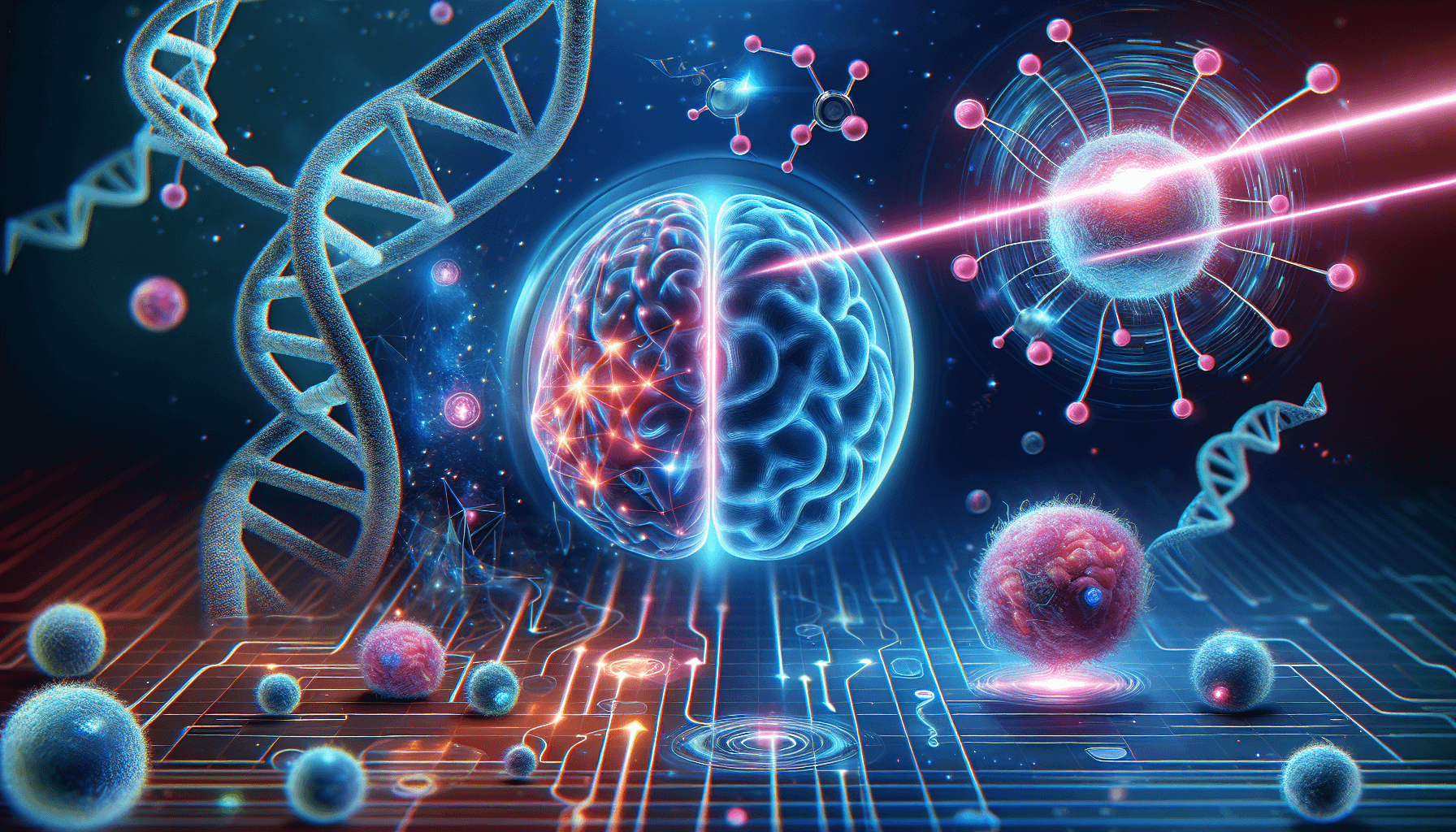
Groundbreaking Discoveries Pave the Way for New Treatments
The global scientific community is buzzing with optimism following the announcement of two pivotal breakthroughs poised to redefine our approach to some of humanity's most challenging diseases: neurological disorders and cancer. These advancements, emerging from dedicated research efforts, promise to usher in an era of more effective diagnostics and targeted therapies, offering renewed hope to millions worldwide.
For decades, researchers have tirelessly worked to unravel the complexities of diseases that impact the brain and those characterized by uncontrolled cell growth. The latest discoveries represent not just incremental progress, but significant leaps forward, demonstrating the power of persistent inquiry and innovative thinking in medical science.
Unlocking the Mysteries of Neurodegenerative Diseases
One of the most profound breakthroughs targets neurological disorders, particularly neurodegenerative conditions like Alzheimer's and Parkinson's disease. Scientists are heralding the development of a novel diagnostic biomarker that could enable the ultra-early detection of these debilitating conditions, potentially years before clinical symptoms manifest.
Traditionally, diagnosing many neurodegenerative diseases definitively has been challenging, often relying on symptom assessment long after significant brain damage has occurred. This new biomarker, detectable through a minimally invasive procedure, offers a window of opportunity for intervention when treatments are most likely to be effective. Early detection is paramount for:
- Preventative strategies: Implementing lifestyle changes or early-stage therapies.
- Clinical trial recruitment: Identifying suitable candidates for new drug trials at critical stages.
- Personalized treatment plans: Tailoring interventions based on individual disease progression.
Furthermore, this research has also shed light on previously unknown cellular pathways implicated in neuronal degeneration, paving the way for the development of entirely new therapeutic targets that could halt or even reverse disease progression.
Revolutionizing Cancer Treatment with Precision and AI
On the cancer front, the second breakthrough centers on a sophisticated approach combining precision oncology with artificial intelligence (AI) to create highly personalized treatment regimens. This innovation aims to overcome the limitations of conventional therapies, which often struggle with drug resistance and significant side effects.
Researchers have developed an AI-powered platform that analyzes a patient's unique tumor genetic profile, predicts its response to a vast library of drugs, and identifies optimal drug combinations. This technology goes beyond existing precision medicine by:
- Mapping complex interactions: Understanding how multiple genetic mutations influence drug efficacy.
- Predicting resistance: Identifying potential pathways for drug resistance before treatment begins.
- Optimizing dosing and timing: Recommending precise treatment schedules for maximum impact and minimal toxicity.
This "smart" oncology approach promises to significantly improve patient outcomes, especially for those with aggressive or rare cancers that have historically been difficult to treat. It represents a paradigm shift from a "one-size-fits-all" model to highly individualized, dynamic treatment strategies.
A Future Illuminated by Scientific Progress
These dual breakthroughs underscore the relentless dedication of researchers globally and the critical importance of continued investment in scientific discovery. While both advancements are currently in various stages of clinical validation and regulatory approval, their potential impact is undeniable. They offer tangible hope for a future where neurological disorders are detected early enough for effective intervention, and cancer treatments are tailored with unprecedented precision, leading to higher survival rates and improved quality of life.
The journey from laboratory discovery to widespread patient benefit is often long, but these recent successes illuminate a path towards a healthier, more resilient global community. Continued collaboration and innovation will be key to translating these promising findings into life-changing realities.