February 2026 Tech Pulse: AI's Ethical Leap, Spatial Computing's Rise, and Green Innovation
Dive into February 2026's most significant tech breakthroughs, from advanced AI ethics and immersive spatial computing to groundbreaking sustainable innovations.
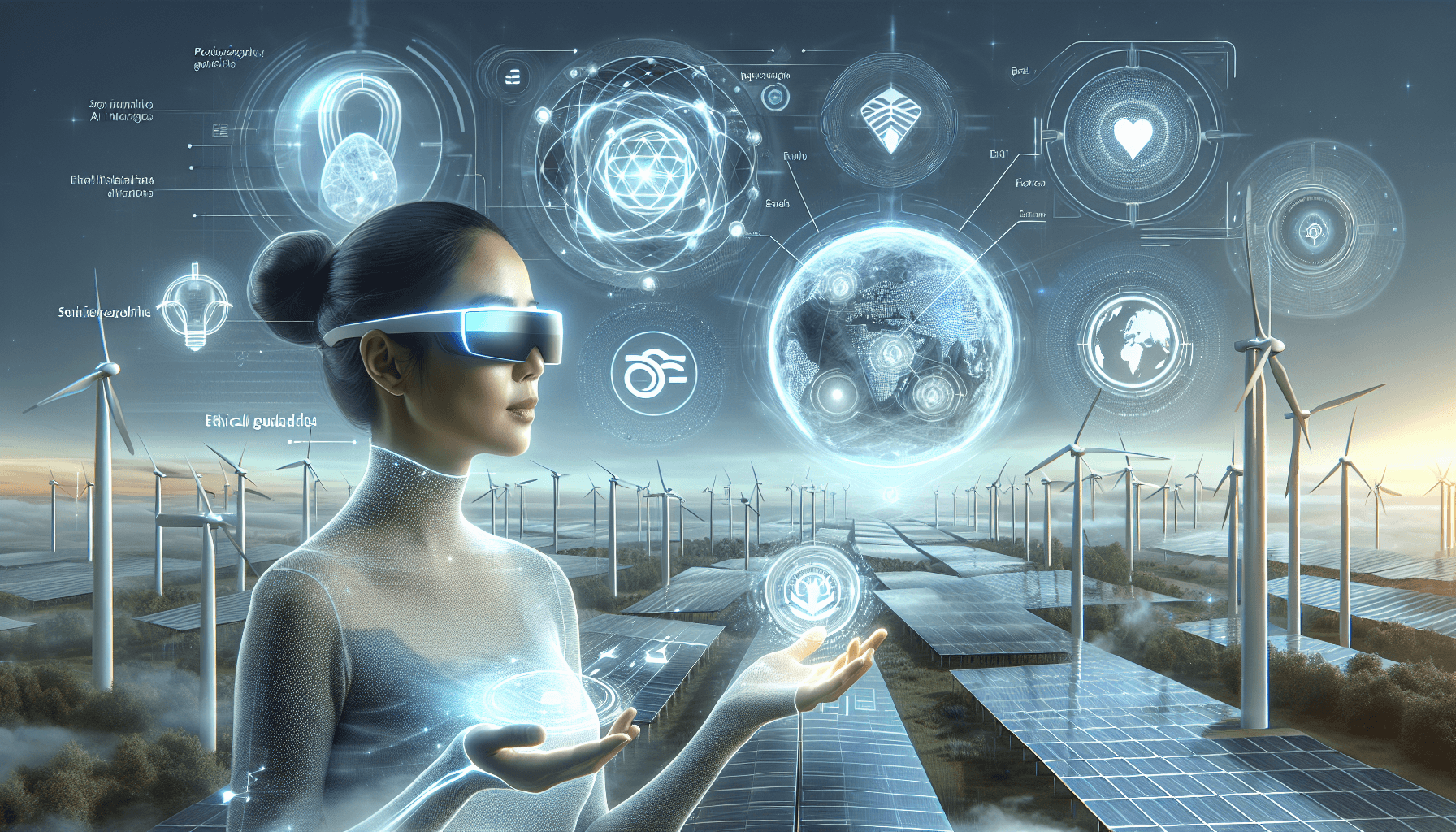
February 2026: A Glimpse into Tomorrow's Tech Landscape
February 2026 has unfolded as a pivotal month, marking significant strides across the technological spectrum. From artificial intelligence reaching new ethical milestones to spatial computing devices becoming more ubiquitous, and green tech innovations offering tangible solutions, the pace of change is accelerating. This month's highlights underscore a future where technology is not just about raw power, but about integration, responsibility, and sustainability.
AI's Ascendant Era: Beyond the Hype
Artificial Intelligence continues its relentless march forward, and February 2026 saw a particular emphasis on its ethical deployment. Leading tech consortiums announced a unified framework for transparent AI decision-making, a crucial step towards building public trust. This framework, developed in collaboration with global regulatory bodies, aims to standardize how AI systems explain their rationale, especially in sensitive areas like finance and healthcare.
Furthermore, new multimodal AI models showcased impressive capabilities, seamlessly integrating visual, auditory, and textual data to perform complex tasks. One notable demonstration involved an AI assistant capable of designing a complete marketing campaign from a simple verbal brief, generating everything from video scripts to social media copy and graphic concepts. This level of creative autonomy highlights AI's evolving role as a powerful co-creator.
Spatial Computing Redefined: Blurring Realities
The vision of a truly immersive digital world took a significant leap this month with major advancements in spatial computing. Several manufacturers unveiled next-generation augmented reality (AR) glasses that are not only lighter and more stylish but also boast drastically improved battery life and processing power. These devices are designed for seamless integration into daily life, offering context-aware information overlays and intuitive gestural controls.
- Enterprise Adoption: Major corporations reported widespread adoption of spatial computing for remote collaboration, enabling teams to interact with 3D models and data visualizations as if in the same physical space.
- Consumer Experience: Early reviews for new consumer AR applications highlighted enhanced navigation, personalized shopping experiences, and innovative gaming formats that blend digital content with the real world.
- Developer Tools: New SDKs (Software Development Kits) were released, promising to democratize spatial app development and accelerate innovation in this burgeoning field.
Green Innovations: Powering a Sustainable Tomorrow
Addressing global climate challenges remains a top priority, and February 2026 brought exciting news from the sustainable technology sector. Breakthroughs in solid-state battery technology promise to revolutionize energy storage, offering higher densities, faster charging times, and significantly longer lifespans for electric vehicles and grid-scale applications. These advancements could dramatically reduce reliance on traditional fossil fuels and stabilize renewable energy grids.
Another area of rapid progress is AI-driven resource optimization. New platforms were introduced that use machine learning to fine-tune energy consumption in smart cities and industrial facilities, reducing waste by up to 20%. From predictive maintenance for renewable energy infrastructure to optimizing logistics for reduced carbon footprints, technology is proving to be a powerful ally in the fight for a greener planet.
Quantum Computing's Quiet Progress
While still in its nascent stages for widespread commercial application, quantum computing continues its steady, albeit often subtle, progress. February saw researchers announce new milestones in qubit stability and error correction rates, pushing closer to fault-tolerant quantum computers. Early commercial applications are beginning to emerge in highly specialized fields like drug discovery and materials science, demonstrating the potential for unprecedented computational power in solving complex problems.
Looking Ahead: The Interconnected Future
February 2026 has clearly demonstrated that the future of technology is deeply interconnected. AI is enhancing spatial computing, which in turn helps optimize green tech solutions. The emphasis has shifted from isolated advancements to a holistic ecosystem where innovation drives positive global impact. As we move further into 2026, expect to see these trends converge even more, shaping a future that is smarter, more immersive, and critically, more sustainable.