
Global Markets Plunge into Darkness: The Crisis of Vanishing Financial News
An unprecedented information blackout leaves global investors and businesses scrambling as critical financial market updates and business news vanish from digital platforms.

The Unprecedented Information Vacuum: When Financial News Disappears
Imagine a world where the relentless flow of business news and financial market updates suddenly ceases. No live stock tickers, no real-time currency fluctuations, no breaking company earnings reports, and no analyst insights. This hypothetical, yet alarming, scenario presents a stark reminder of our profound reliance on immediate and accurate information to navigate the global economy. What would happen if search results for the latest business and financial news simply returned a void?
Such an information blackout would plunge markets into an unprecedented state of uncertainty, halting the very mechanisms that drive global commerce. The digital arteries carrying vital economic data would be blocked, creating a ripple effect that would touch every corner of the financial ecosystem, from individual investors to multinational corporations.
Market Reaction and Investor Anxiety
In the immediate aftermath of an information vacuum, the first response would undoubtedly be panic. Without real-time data, investors would be flying blind, unable to assess risk, value assets, or make informed trading decisions. Stock exchanges might halt trading to prevent catastrophic losses, leading to a liquidity crisis as buyers and sellers struggle to find common ground. The lack of transparency would breed intense anxiety, eroding confidence faster than any market crash.
Institutional investors, hedge funds, and algorithmic trading platforms, which rely heavily on milliseconds of data, would be rendered obsolete. Their sophisticated models would have no input, leading to widespread system failures and potentially triggering further market instability. The fundamental principle of efficient markets, where prices reflect all available information, would be shattered.
The Ripple Effect on Global Business
Beyond the trading floors, the impact of vanishing financial news would reverberate through every layer of global business. Corporations making strategic decisions – from mergers and acquisitions to supply chain adjustments – depend on timely economic indicators and industry-specific news. Without this intelligence, planning would become speculative, and risk assessment nearly impossible.
- Supply Chain Disruptions: Companies could not react to geopolitical events impacting raw material prices or manufacturing hubs.
- Investment Decisions: New projects and capital expenditures would be delayed or cancelled due to extreme uncertainty.
- Corporate Governance: Boards and executives would struggle to fulfill fiduciary duties without a clear understanding of market conditions.
Why Real-Time Data is Paramount
The global economy thrives on the free and rapid exchange of information. Financial data acts as the nervous system, transmitting signals that allow participants to react, adapt, and innovate. Real-time updates provide transparency, enable efficient price discovery, and facilitate risk management across complex portfolios.
The interconnectedness of modern finance means that even a brief disruption in data flow can have disproportionate consequences. From foreign exchange rates impacting international trade to commodity prices influencing manufacturing costs, every piece of financial news contributes to a vast, intricate puzzle that guides trillions of dollars in transactions daily.
Potential Causes and Speculation
While this scenario is hypothetical, the causes of such an information blackout could range from a catastrophic technical failure affecting major data providers or internet infrastructure, to a sophisticated cyberattack targeting financial news networks, or even unprecedented geopolitical events leading to widespread censorship or network shutdowns. The very ambiguity of the cause would amplify the crisis, as authorities and businesses struggle to identify the source and implement solutions.
Navigating the Unknown: Strategies for Resilience
The hypothetical crisis of vanishing financial news underscores the critical need for robust contingency planning and diversified information sourcing. Businesses and investors cannot afford to rely on a single data stream or platform. Strategies for resilience would include:
- Diversified Data Sources: Utilizing multiple vendors and types of information, including traditional media, government reports, and alternative data.
- Manual Verification Protocols: Establishing procedures to verify information through direct contact or alternative channels when digital sources fail.
- Cybersecurity Investment: Protecting against attacks that could compromise data integrity or access.
- Scenario Planning: Regularly simulating extreme events, like information blackouts, to test preparedness and response mechanisms.
Ultimately, the ability to discern reliable information from noise, even in times of extreme stress, becomes paramount. This crisis highlights not just the fragility of our digital infrastructure, but also the enduring value of human analysis and critical thinking.
The notion of a world without accessible business news and financial updates is a chilling one, revealing the foundational role that information plays in maintaining economic stability and fostering growth. While hopefully remaining a theoretical exercise, it serves as a powerful reminder for all market participants to prioritize data integrity, secure information channels, and cultivate resilience against the unforeseen disruptions of an increasingly digital future.
How this article was made
- Sources
- Generated on:
- May 22, 2026
This content is produced by Acerbo.AI's AI editorial pipeline: source gathering, rewriting and imagery are automated. Editorial oversight stays human.
Related Articles

The Unspoken Market: Decoding the Silence in Global Business News
A rare quiet spell in global business news and financial market updates prompts a deeper look. Is this a sign of stability, a moment for strategic reflection, or the calm before market shifts? This analysis explores the implications of a silent financial landscape for investors and businesses worldwide.
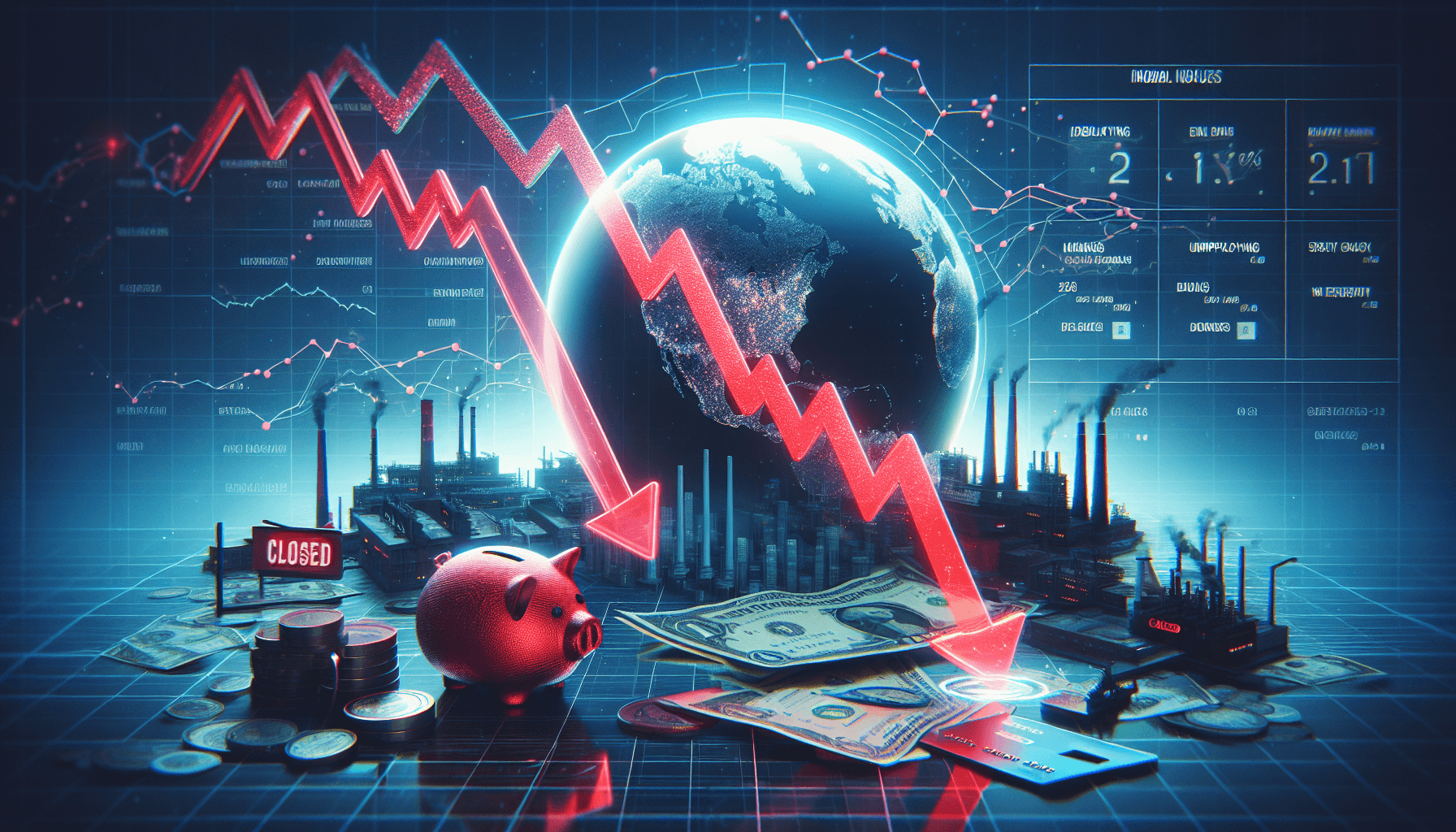
Global Markets Reel: A Triple Threat of Jobs, War, and Credit Woes Sinks Stocks
International markets are grappling with significant downturns as a confluence of factors – softening job markets, escalating geopolitical tensions, and tightening credit conditions – creates widespread investor uncertainty.
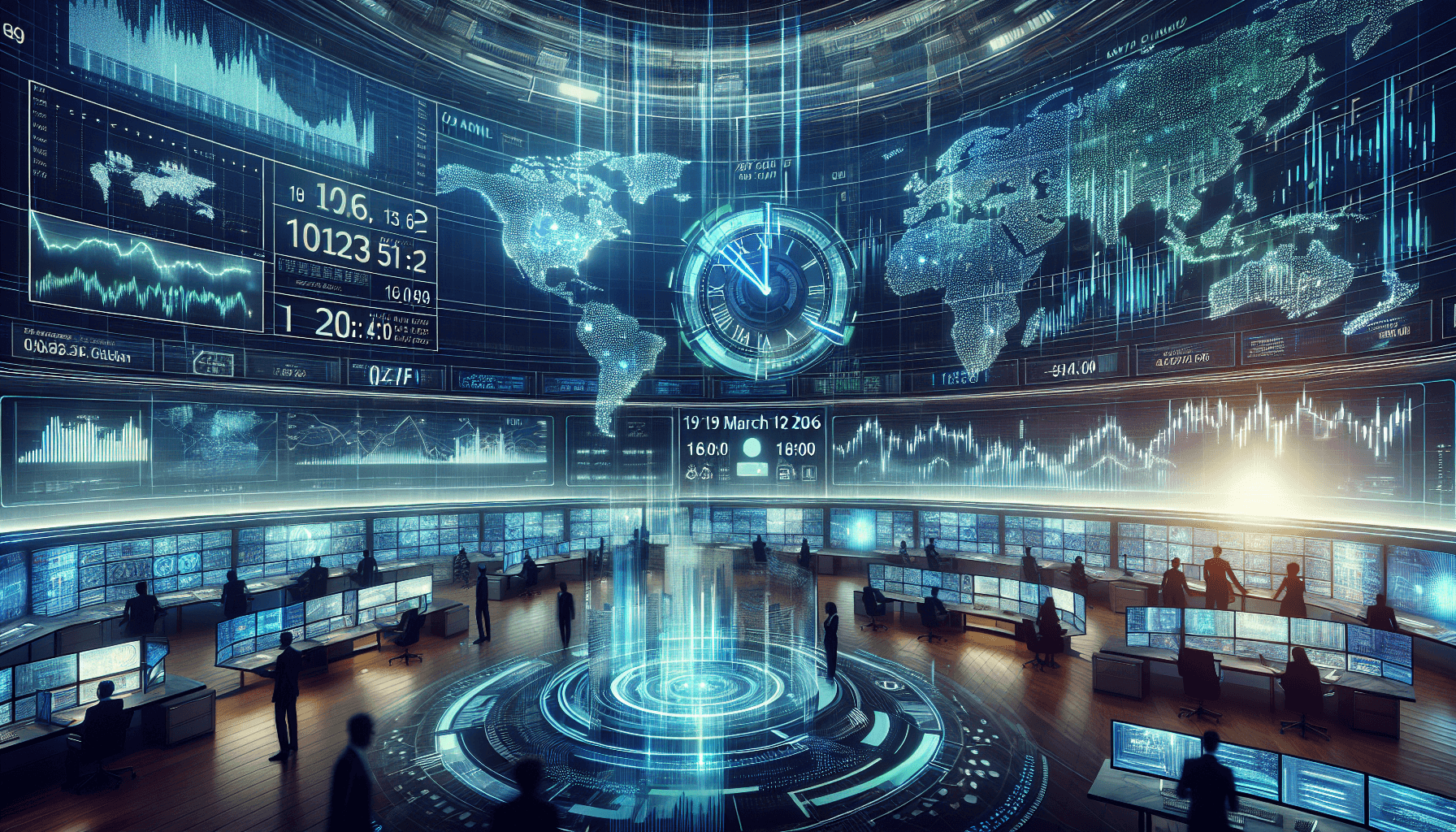
Global Markets Navigate Shifting Tides: The March 19, 2026 Close
As global markets closed on March 19, 2026, investors grappled with evolving tech innovation, sustainable finance shifts, and central bank signals, shaping a complex economic landscape.