Global Markets Plunge: Iran Conflict Escalation Triggers Widespread Stock Selloff
International stock markets are experiencing a significant downturn as escalating tensions surrounding the Iran conflict rattle investor confidence and fuel fears of broader economic instability.
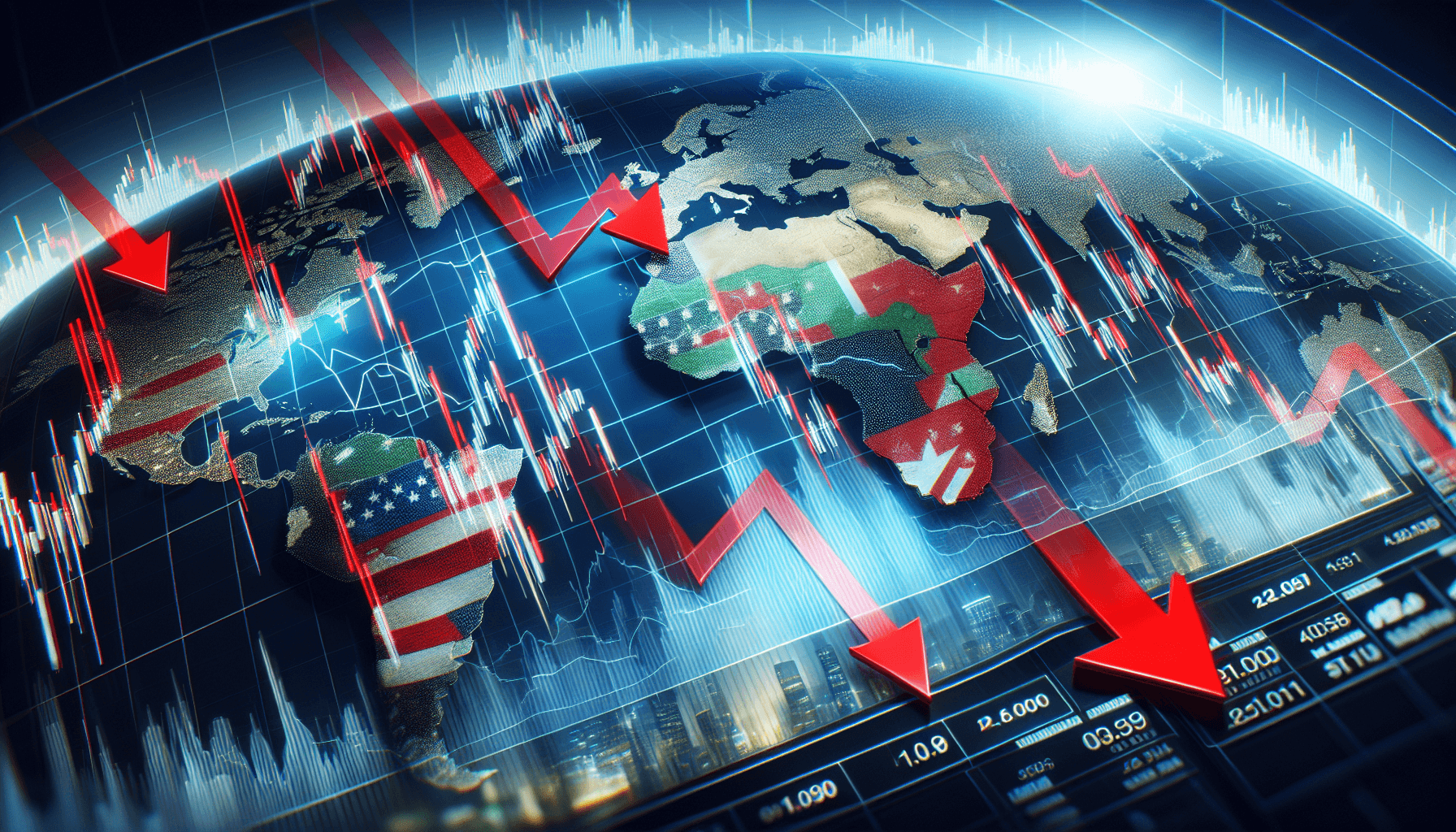
Global Markets in Turmoil: Geopolitical Fears Spark Selloff
International stock markets are reeling, experiencing a sharp and widespread selloff as geopolitical tensions in the Middle East, particularly concerning the escalating conflict involving Iran, reach critical levels. Investors worldwide are reacting with apprehension, pulling capital from risky assets and seeking safe havens amidst fears of a broader regional destabilization and its potential global economic fallout. This latest downturn underscores the fragile nature of market confidence in the face of unpredictable international crises.
Investor Confidence Shattered Amidst Uncertainty
The immediate impact has been a pronounced decline across major indices, from Wall Street to European and Asian bourses. This rapid correction reflects a significant shift in investor sentiment, moving away from growth-oriented investments towards more conservative options. The primary driver is the perceived increase in geopolitical risk, which often translates into market volatility and a reluctance to engage in long-term commitments until the situation clarifies.
The Iran Conflict: A Catalyst for Market Panic
The escalating conflict involving Iran has emerged as the central catalyst for this global market apprehension. Details emerging from the region indicate a significant uptick in military activities and rhetoric, leading analysts to revise their risk assessments upwards. The potential for disruption to crucial shipping lanes and energy supplies in the Persian Gulf is a paramount concern for global trade and energy markets.
Understanding the Escalation's Economic Implications
The conflict's trajectory suggests several critical economic implications. Firstly, there's the immediate concern over oil prices, which tend to surge on any perceived threat to Middle Eastern supply. Higher oil prices can lead to increased production costs, inflationary pressures, and reduced consumer spending, effectively acting as a tax on the global economy. Secondly, the uncertainty dampens business investment and consumer confidence, which are vital engines of economic growth.
- Energy Market Volatility: Direct threats to oil production and transit routes.
- Supply Chain Disruptions: Potential impacts on international shipping and logistics.
- Inflationary Pressures: Higher energy costs feeding into goods and services.
- Reduced Investment: Businesses and individuals become more cautious with capital.
Economic Fallout and Future Perspectives
Economists are now closely monitoring the situation, assessing the potential for a prolonged period of market instability and a slowdown in global economic activity. Central banks, which have been grappling with inflation and interest rate hikes, now face the additional challenge of navigating a volatile geopolitical landscape that could derail their efforts to achieve economic stability.
The Role of Safe-Haven Assets and Currency Flows
In times of such uncertainty, investors typically flock to safe-haven assets. This includes government bonds from stable economies, particularly U.S. Treasuries, and precious metals like gold. The U.S. dollar also tends to strengthen as global capital seeks safety, creating significant shifts in currency markets. This flight to safety can exacerbate selling pressure in emerging markets and other riskier asset classes.
The current global stock selloff is a stark reminder of how interconnected financial markets are with geopolitical events. While the immediate focus is on the Middle East, the ripple effects are being felt in every corner of the world economy. As the situation evolves, market participants will be keenly watching for any signs of de-escalation or further intensification, which will dictate the short-to-medium term trajectory of global financial markets.