Global Markets Reel: A Triple Threat of Jobs, War, and Credit Woes Sinks Stocks
International markets are grappling with significant downturns as a confluence of factors – softening job markets, escalating geopolitical tensions, and tightening credit conditions – creates widespread investor uncertainty.
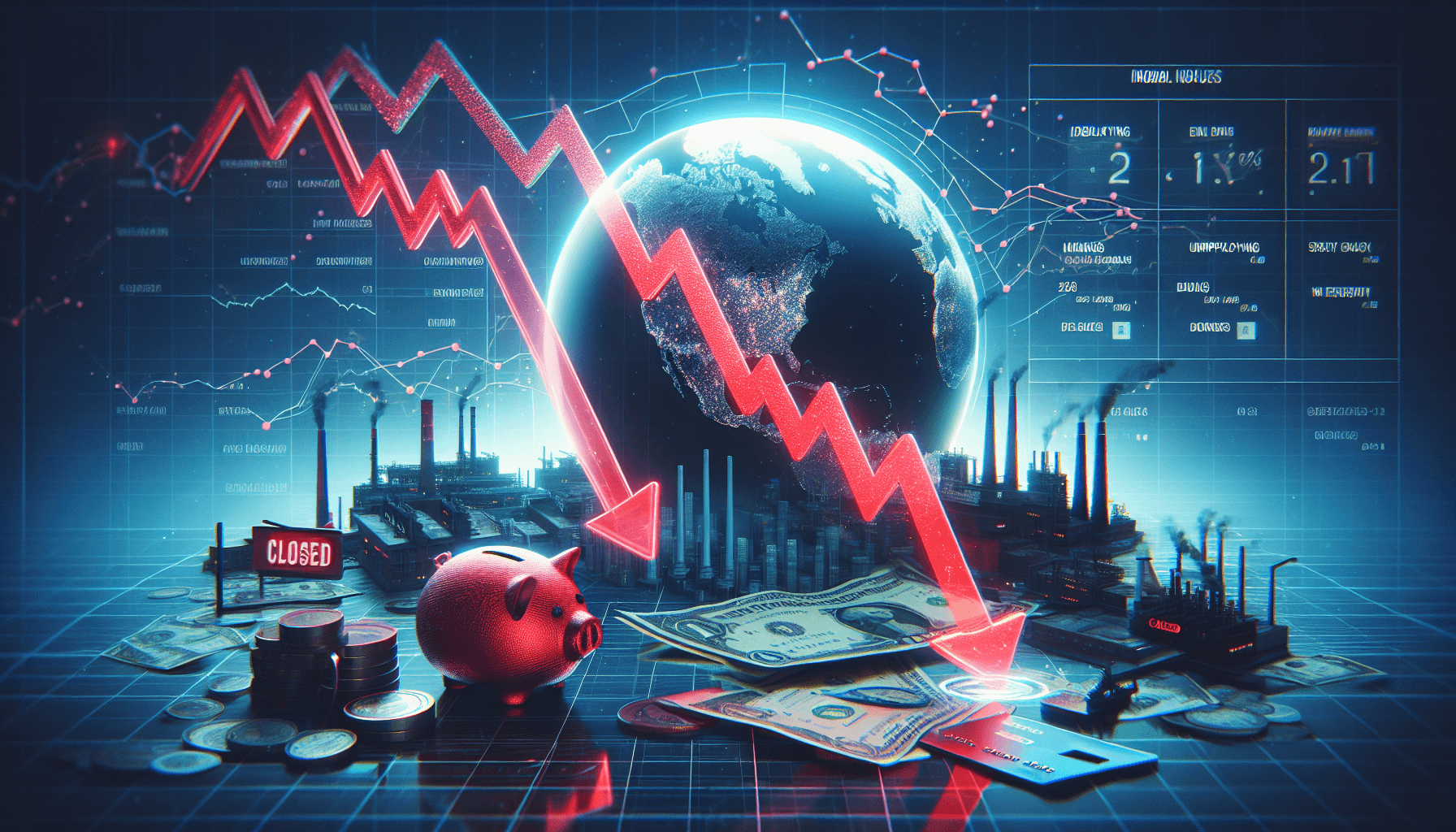
Global Markets Face Unprecedented Headwinds
Global stock markets are currently experiencing a significant downturn, leaving investors and analysts alike grappling with a complex web of challenges. A potent combination of a softening job market, persistent geopolitical conflicts, and tightening credit conditions has converged to create a formidable triple threat, sending indices plummeting worldwide. This confluence of factors is fostering an environment of profound uncertainty, challenging the resilience of economies still recovering from recent disruptions.
From major financial hubs to emerging markets, the ripple effects are palpable. Companies are facing increased operational costs, consumers are feeling the pinch of inflation and higher borrowing rates, and governments are navigating a delicate balance between fiscal stability and economic growth. Understanding the intricate interplay of these forces is crucial for comprehending the current market volatility and anticipating future trends.
The Job Market's Unsettling Shadow
Recent economic data has revealed an increasingly concerning trend in the global labor market. While some sectors show continued strength, there are growing signs of an overall slowdown, with unexpected rises in unemployment figures or a deceleration in job creation across several key economies. This softening directly impacts consumer confidence and spending power, which are vital engines of economic growth.
A tight labor market, once a sign of strength, now appears to be loosening, raising questions about future demand and corporate profitability. Businesses, anticipating a potential recession or continued high interest rates, may be pulling back on hiring or even initiating layoffs, further exacerbating the downturn and creating a negative feedback loop within the economy.
Geopolitical Tensions Take Their Toll
The specter of geopolitical instability continues to cast a long shadow over global markets. Ongoing conflicts, such as the war in Ukraine, persist in disrupting critical supply chains, particularly for energy and vital commodities like food grains. This sustained pressure keeps commodity prices elevated, contributing significantly to inflationary pressures that central banks are desperately trying to tame.
Furthermore, the emergence of new regional tensions or the escalation of existing ones injects an additional layer of unpredictability. Investors become risk-averse, pulling capital from riskier assets and seeking safe havens. This flight to safety often leads to a broader sell-off in equities, as the potential for wider economic disruption or even military conflict weighs heavily on sentiment.
Conflict's Ripple Effect on Global Trade
Beyond immediate market reactions, geopolitical strife has profound long-term implications for global trade and investment. Sanctions, trade barriers, and strained international relations complicate cross-border business, forcing companies to re-evaluate their supply chain strategies and potentially onshore production, which can increase costs. The fragmentation of the global economy into blocs creates inefficiencies and reduces overall economic output, making sustained recovery more challenging.
Navigating the Credit Crunch
Perhaps one of the most immediate and tangible impacts on markets stems from the tightening of global credit conditions. In their concerted effort to combat persistent inflation, central banks worldwide have aggressively raised interest rates. While necessary to cool overheated economies, these hikes have made borrowing significantly more expensive for both businesses and consumers.
Corporations are facing higher costs for financing expansion, managing existing debt, and even day-to-day operations, potentially squeezing profit margins and hindering investment. For consumers, the impact is felt through higher mortgage rates, increased costs for loans, and greater credit card interest, reducing disposable income and dampening consumer spending. Concerns about the health of the banking sector, particularly smaller regional banks, and the potential for increased corporate defaults are also contributing to market unease.
Tightening Belts: The Credit Market Squeeze
The ripple effect of a credit crunch can be far-reaching. As lending standards tighten, access to capital becomes more restricted, potentially stifling innovation and growth. Furthermore, the increased cost of debt servicing for highly leveraged companies could lead to financial distress, even among otherwise healthy businesses. This environment demands careful risk management and a watchful eye on liquidity across all sectors of the economy.
Investor Sentiment and Future Outlook
The combination of these powerful headwinds has understandably eroded investor confidence. The prevailing sentiment is one of caution, if not outright apprehension, as market participants attempt to gauge the depth and duration of the current downturn. Volatility has become the new normal, with sharp swings in market indices reflecting the uncertainty that permeates the global economic landscape.
Looking ahead, the path to stability remains fraught with challenges. Policymakers face the unenviable task of balancing inflation control with the imperative of preventing a severe economic contraction. While the immediate outlook suggests continued volatility, the long-term trajectory will depend on how effectively these interconnected issues are addressed through coordinated international efforts and prudent domestic policies. Resilience and adaptability will be key for both investors and economies in navigating these turbulent waters.