
Goldman Sachs Cracks Down: Employees Banned from Financial Prediction Markets
Wall Street titan Goldman Sachs has implemented a strict new policy, prohibiting its employees from engaging in prediction market contracts tied to financial markets. This move underscores a growing focus on compliance and ethical conduct within the banking giant.
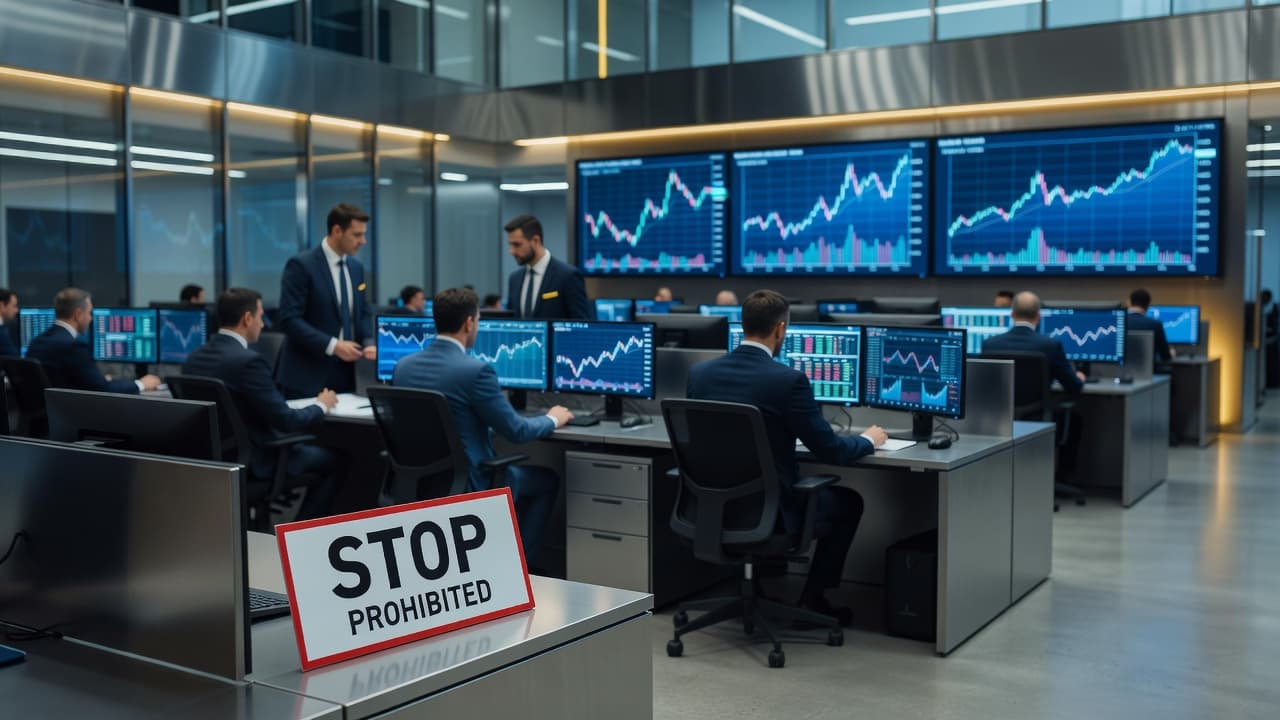
Goldman Sachs Tightens Grip: Employee Ban on Financial Prediction Markets
Wall Street powerhouse Goldman Sachs has recently introduced a significant internal policy shift, barring its vast workforce from participating in prediction market contracts directly linked to financial markets. This proactive measure highlights the firm's unwavering commitment to ethical standards and stringent compliance in an increasingly complex financial landscape. The decision sends a clear message about maintaining integrity and avoiding potential conflicts of interest within its ranks.
A New Stance on Internal Trading
The directive from the venerable investment bank specifies that employees are no longer permitted to trade on platforms that allow users to bet on the future performance of financial assets, economic indicators, or market-moving events. This broad prohibition aims to eliminate any perception of impropriety or leveraging privileged information.
This policy extends beyond traditional trading activities, specifically targeting the burgeoning world of prediction markets. These platforms, while often framed as tools for collective intelligence, can present unique challenges for firms striving to uphold the highest standards of conduct.
Understanding the Allure and Risks of Prediction Markets
Prediction markets operate by allowing participants to buy and sell contracts whose value is tied to the outcome of future events. For example, a contract might pay out if the S&P 500 closes above a certain level by a specific date, or if a particular economic report meets certain expectations.
While praised by some for their ability to aggregate diverse opinions and potentially forecast outcomes more accurately than traditional polls, they also carry inherent risks. For financial professionals, participation can blur lines between personal investment and professional duty, raising red flags for regulatory bodies and internal compliance departments.
Safeguarding Integrity: Why Goldman Sachs Acted
Goldman Sachs's move is widely interpreted as a preventative measure designed to bolster its reputation and mitigate risks associated with insider trading or conflicts of interest. The firm operates under intense scrutiny, and any activity that could even suggest the misuse of confidential information is typically met with decisive action.
The potential for employees to use non-public information, even inadvertently, to gain an advantage in these markets is a primary concern. Such scenarios could lead to severe reputational damage, regulatory fines, and a loss of client trust, all of which Goldman Sachs is keen to avoid.
Furthermore, the regulatory environment around prediction markets, especially when linked to financial instruments, remains somewhat ambiguous in various jurisdictions. By imposing a blanket ban, Goldman Sachs proactively navigates this uncertainty, ensuring its operations remain firmly within established ethical and legal boundaries.
A Proactive Step in Risk Management
This directive underscores the firm's robust approach to risk management and its commitment to maintaining a culture of compliance. In an era where digital platforms are rapidly evolving, financial institutions must continuously adapt their internal policies to address new forms of potential misconduct.
The ban serves as a clear signal to both employees and the wider market that Goldman Sachs prioritizes institutional integrity over individual speculative ventures, particularly those that could be perceived as leveraging professional insights.
Broader Implications for Wall Street
Goldman Sachs's decision could set a precedent for other major financial institutions. As prediction markets gain traction, other Wall Street firms may review their own internal trading policies to assess similar risks and implement comparable restrictions.
This trend reflects a broader industry emphasis on transparency and accountability, particularly following past financial crises and ongoing regulatory pressures. The line between personal investment and professional conduct is becoming increasingly defined, especially in areas touching on market sentiment and future financial performance.
The recent prohibition by Goldman Sachs on employee participation in financial prediction markets is a strategic move aimed at reinforcing ethical standards, mitigating compliance risks, and safeguarding the firm's invaluable reputation. It serves as a potent reminder of the rigorous scrutiny faced by global financial institutions and their continuous efforts to adapt internal policies to uphold integrity in a dynamic market environment. This action is likely to be observed closely by peers, potentially influencing future policy across the industry.
How this article was made
- Sources
- Reuters
- Generated on:
- Jul 10, 2026
This content is produced by Acerbo.AI's AI editorial pipeline: source gathering, rewriting and imagery are automated. Editorial oversight stays human.
Related Articles

Global Markets Unpacked: Key Insights from Bloomberg Surveillance 2026
Dive into the critical economic discussions and market analysis from Bloomberg Surveillance on March 2, 2026, covering global inflation, central bank strategies, and emerging investment trends.

Global Markets Navigate Shifting Tides: The March 19, 2026 Close
As global markets closed on March 19, 2026, investors grappled with evolving tech innovation, sustainable finance shifts, and central bank signals, shaping a complex economic landscape.

Global Markets Reel: A Triple Threat of Jobs, War, and Credit Woes Sinks Stocks
International markets are grappling with significant downturns as a confluence of factors – softening job markets, escalating geopolitical tensions, and tightening credit conditions – creates widespread investor uncertainty.