
NASA's Psyche Probe Prepares for Epic Mars Slingshot En Route to Metal Asteroid
NASA's pioneering Psyche spacecraft is gearing up for a critical Mars gravity assist in May 2026, accelerating to 12,000 mph as it slingshots towards the unique metal asteroid 16 Psyche.
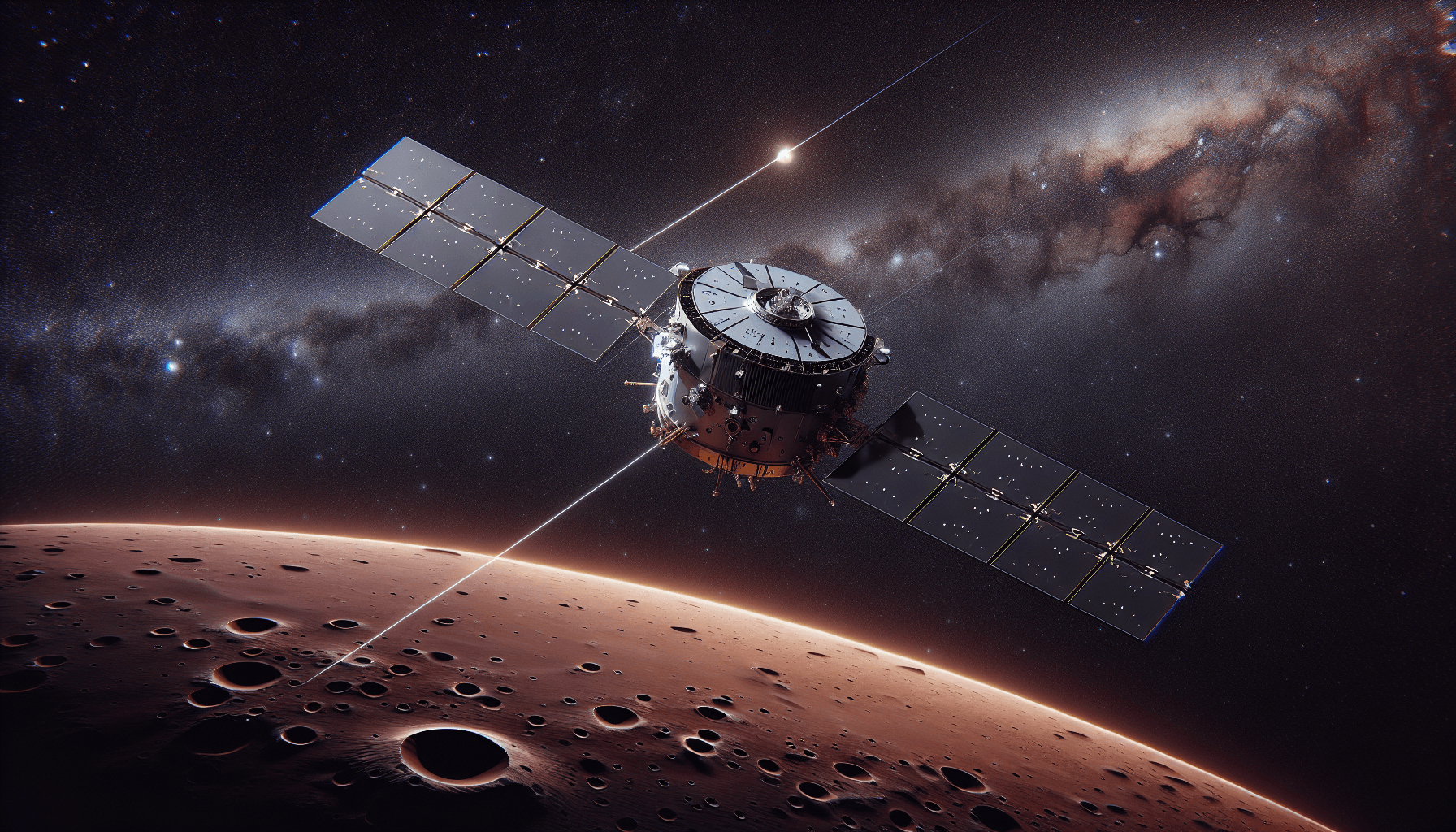
NASA's Psyche Probe Gears Up for Daring Mars Slingshot
In a breathtaking display of interplanetary navigation, NASA's pioneering Psyche spacecraft is preparing for a crucial maneuver in May 2026: a high-speed slingshot around Mars. This audacious flyby, designed to harness the Red Planet's immense gravitational pull, will propel the probe to an astonishing 12,000 miles per hour, setting it on a precise course toward its ultimate, enigmatic destination: the metal-rich asteroid known as 16 Psyche.
This isn't just a scenic detour; it's a vital gravity assist that will conserve fuel and significantly reduce the travel time to the distant asteroid belt. The success of this maneuver is paramount for the mission, which aims to unlock secrets about the early solar system and the formation of planetary cores.
Mastering the Martian Gravity Assist
The concept of a gravity assist, or "slingshot," is a fundamental technique in deep-space exploration. By carefully timing its approach, Psyche will dip close to Mars, allowing the planet's gravity to accelerate it without expending precious onboard propellant. This delicate dance requires impeccable precision from NASA's navigation teams, as even a slight miscalculation could send the spacecraft off course.
The speed boost from Mars will be substantial, transforming Psyche's trajectory and providing the necessary momentum to reach its target. This engineering marvel underscores humanity's ingenuity in navigating the vastness of space, turning planetary forces into propulsive power.
Unveiling the Mysteries of 16 Psyche
The mission's true prize lies millions of miles beyond Mars: the asteroid 16 Psyche. Unlike most asteroids, which are rocky or icy, 16 Psyche is believed to be composed almost entirely of metal, primarily iron and nickel. Scientists hypothesize that it could be the exposed core of a protoplanet that lost its rocky outer layers due to ancient, violent collisions in the solar system's tumultuous youth.
Studying 16 Psyche up close offers an unprecedented opportunity to examine planetary building blocks directly. It could provide invaluable insights into:
- The formation of planetary cores, including Earth's own.
- How protoplanets differentiate into distinct layers.
- The processes that shaped the early solar system.
This unique celestial body holds clues to fundamental questions about our cosmic origins, making the Psyche mission one of the most anticipated scientific endeavors of the decade.
The Journey Ahead: A Long-Haul Mission
Launched in October 2023, the Psyche mission is a long-duration voyage. Following its Mars flyby in 2026, the spacecraft will continue its solitary journey through the asteroid belt, eventually arriving at 16 Psyche in August 2029. Once there, it will spend approximately 21 months orbiting the asteroid, meticulously mapping its surface and studying its composition, magnetic field, and gravity.
Equipped with a sophisticated suite of instruments, including a magnetometer, a multi-spectral imager, and a gamma-ray and neutron spectrometer, Psyche is poised to revolutionize our understanding of metal worlds. The data collected will not only deepen our scientific knowledge but also inform future endeavors, potentially even resource utilization in space.
A Glimpse into Planetary Evolution
The upcoming Mars slingshot is more than just a navigational feat; it's a critical step in a mission that promises to rewrite chapters of planetary science. As Psyche hurtles towards its rendezvous with the Red Planet, the scientific community and space enthusiasts worldwide eagerly await the successful execution of this complex maneuver. The journey to 16 Psyche represents a bold leap forward in our quest to understand the universe and our place within it, offering a direct window into the violent and beautiful processes that forged the planets we know today.
How this article was made
- Sources
- ScienceDaily
- Generated on:
- May 11, 2026
This content is produced by Acerbo.AI's AI editorial pipeline: source gathering, rewriting and imagery are automated. Editorial oversight stays human.
Related Articles

Artemis Ascendant: NASA Unveils Ambitious New Lunar Mission & Revamped Moon Architecture
NASA is charting an even bolder course for humanity's return to the Moon, announcing a significant new mission and updating the foundational architecture of its Artemis lunar exploration program.
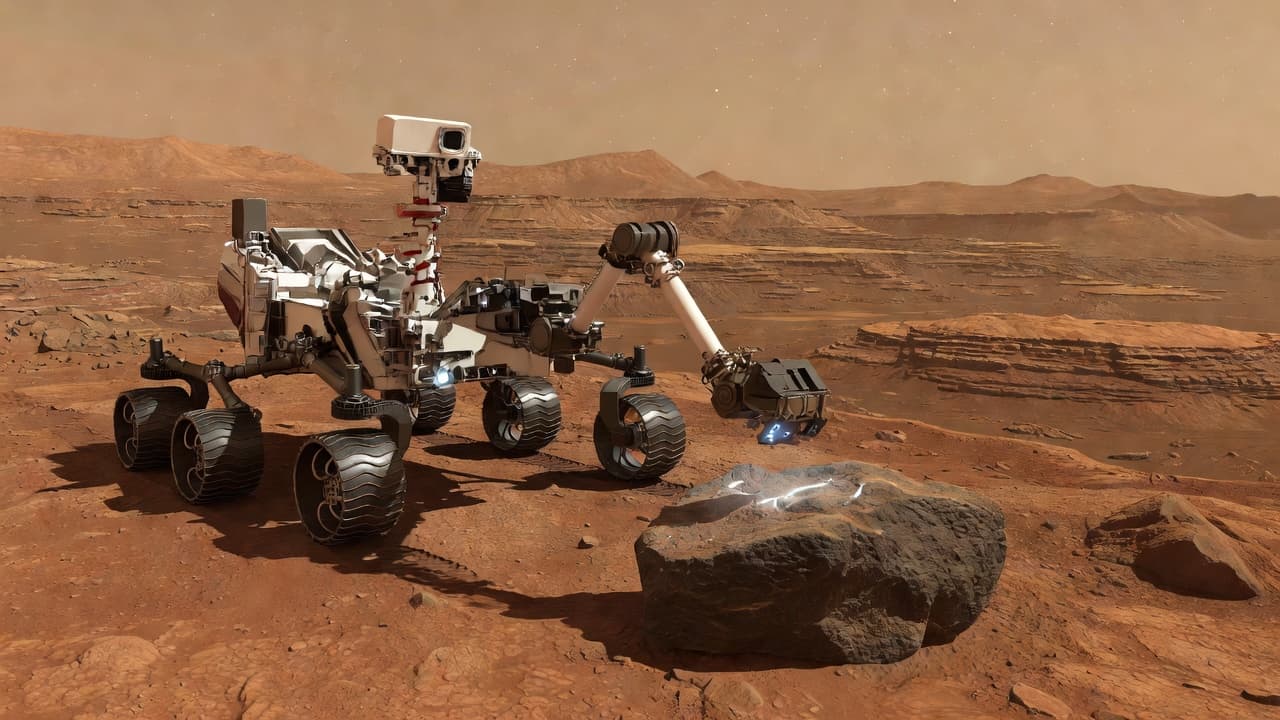
NASA's Perseverance Rover Uncovers Organic Carbon Clues in Martian Rocks
NASA's Perseverance rover is meticulously examining organic carbon in Mars' Jezero Crater, bringing scientists closer to understanding the Red Planet's potential for ancient life and habitability.
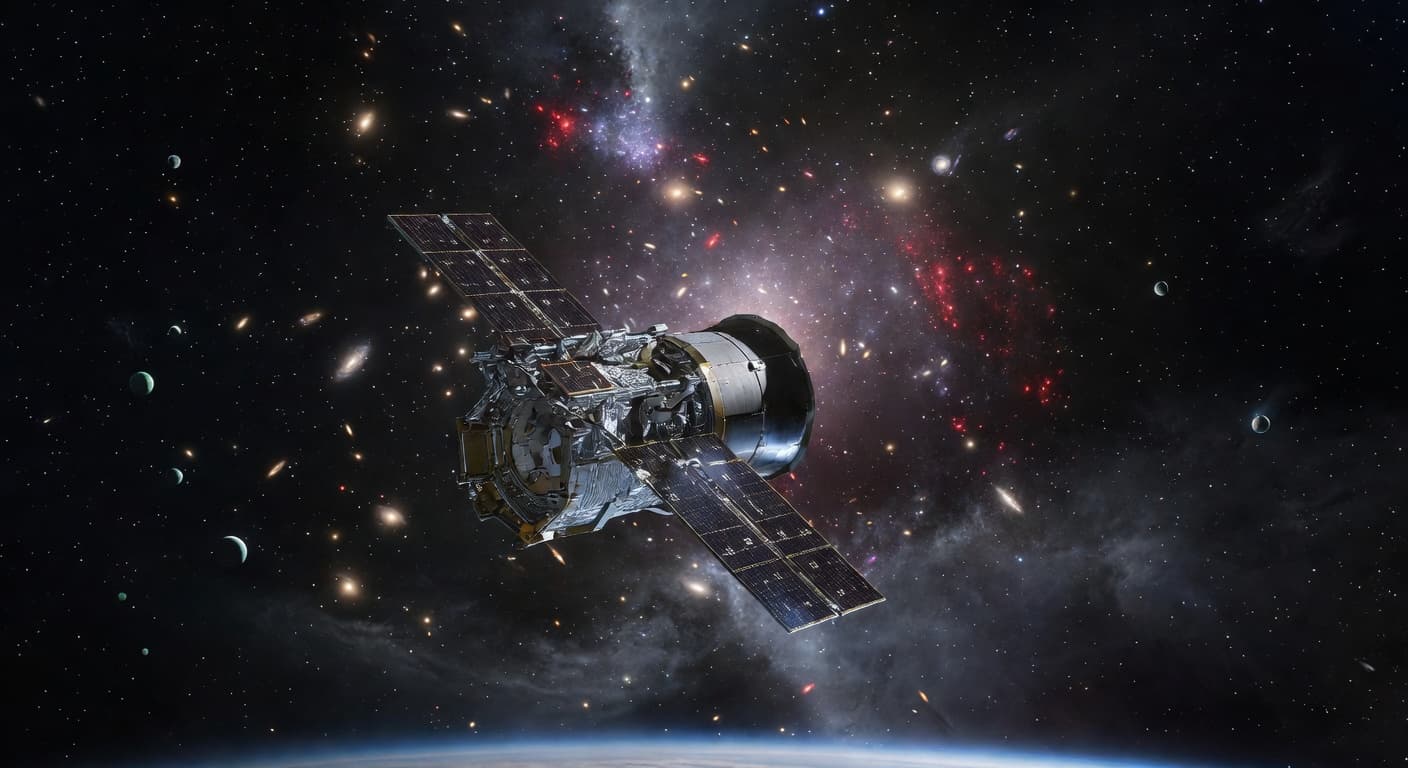
NASA's Roman Space Telescope Accelerates Launch to September 2026, Promising New Cosmic Revelations
NASA's Nancy Grace Roman Space Telescope is now set to launch earlier in September 2026, accelerating humanity's quest to unravel the mysteries of dark energy, exoplanets, and the universe's grand evolution.