Nvidia Pivots: Halts China-Focused H200 Production, Accelerates Vera Rubin AI Platform
Nvidia reportedly halts production of its China-focused H200 AI chips, redirecting manufacturing capacity to accelerate the development and rollout of its next-gen Vera Rubin platform, signaling a major strategic shift in AI hardware.
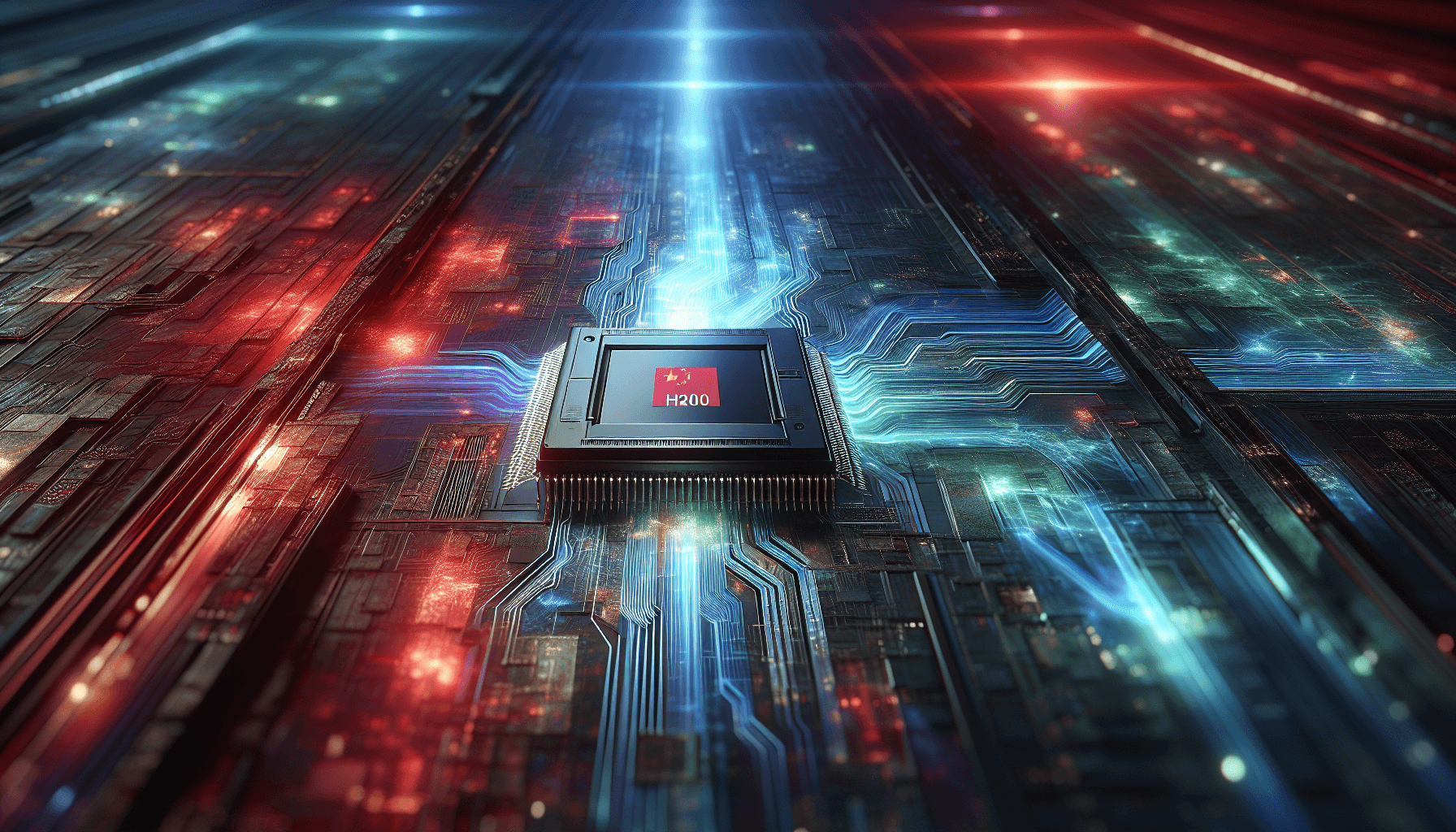
Nvidia's Bold Strategic Shift: From H200 to Vera Rubin
Nvidia, the undisputed titan of artificial intelligence (AI) hardware, is making a significant strategic pivot that reverberates across the global tech landscape. In a move signaling a renewed focus on unrestricted innovation and next-generation capabilities, the company has reportedly halted production of its China-focused H200 AI chip. This decision isn't merely a pause; it signifies a decisive reallocation of valuable manufacturing capacity towards its highly anticipated Vera Rubin platform, setting the stage for the future of AI computing and solidifying Nvidia's global leadership.
The H200's Journey: A Geopolitical Tightrope Walk
The H200 series, while potent, found itself navigating a complex web of international trade regulations. Developed partly as a response to stringent U.S. export controls aimed at restricting advanced AI chip sales to China, these chips were designed to comply with specific performance thresholds. However, the continuous evolution of these restrictions and the inherent challenges of creating region-specific, performance-limited hardware seem to have prompted Nvidia to re-evaluate its strategy. The effort to tailor chips for specific markets, while maintaining a competitive edge, proved to be an intricate balancing act in a rapidly changing geopolitical climate.
Why Vera Rubin? Powering the Next AI Revolution
The redirecting of resources to the Vera Rubin platform underscores Nvidia's unwavering commitment to pushing the boundaries of AI. The Vera Rubin architecture is poised to be a monumental leap forward, succeeding the highly successful Hopper (H100) and Blackwell platforms. While specific details remain under wraps, industry analysts anticipate Vera Rubin to deliver unprecedented advancements in processing power, memory bandwidth, and interconnectivity. This next-gen platform is not just an incremental upgrade; it represents a foundational shift designed to tackle the increasingly complex demands of large language models (LLMs), scientific simulations, and advanced data analytics, positioning Nvidia at the forefront of AI innovation.
Strategic Reallocation: A Global Imperative
Nvidia's decision to pivot capacity from the H200 to Vera Rubin is a clear indicator of its global strategy. By consolidating its manufacturing focus on its most advanced, unrestricted technologies, Nvidia can streamline production and accelerate the rollout of its cutting-edge platforms to a worldwide market. This move allows the company to concentrate its engineering and manufacturing prowess on innovations that can serve its entire international customer base without the complexities introduced by geopolitical constraints. It's about maximizing efficiency, accelerating development, and ensuring impact on a truly global scale for its AI chips.
Implications for the AI Ecosystem and Market Dynamics
This strategic shift is likely to have profound implications. For the Chinese market, it means a continued hunt for alternative high-performance AI solutions, potentially boosting domestic chip development or encouraging reliance on other international suppliers not subject to the same restrictions. For the broader AI industry, it solidifies Nvidia's position as the primary driver of innovation, accelerating the adoption of its most advanced architectures. Competitors will face renewed pressure to innovate and deliver comparable performance, especially as Vera Rubin sets new benchmarks. The global demand for AI processing power continues to surge, and Nvidia is positioning itself to meet that demand with its most powerful offerings.
The Road Ahead: Innovation in a Shifting Landscape
Nvidia's move to prioritize the Vera Rubin platform over region-specific chips like the H200 highlights a crucial trend: the relentless pace of technological advancement in AI. As artificial intelligence continues to evolve at an exponential rate, the demand for ever more powerful and efficient processing units will only intensify. This strategic redirection ensures that Nvidia remains at the forefront, delivering the foundational hardware necessary for the next generation of AI breakthroughs. It's a bold step that reaffirms Nvidia's leadership and commitment to shaping the future of computing, navigating both technological frontiers and complex global dynamics. The AI race is accelerating, and Nvidia is clearly betting on its most powerful horses to win.