
Spirit Airlines Grounds All Flights After Presidential Bailout Collapses
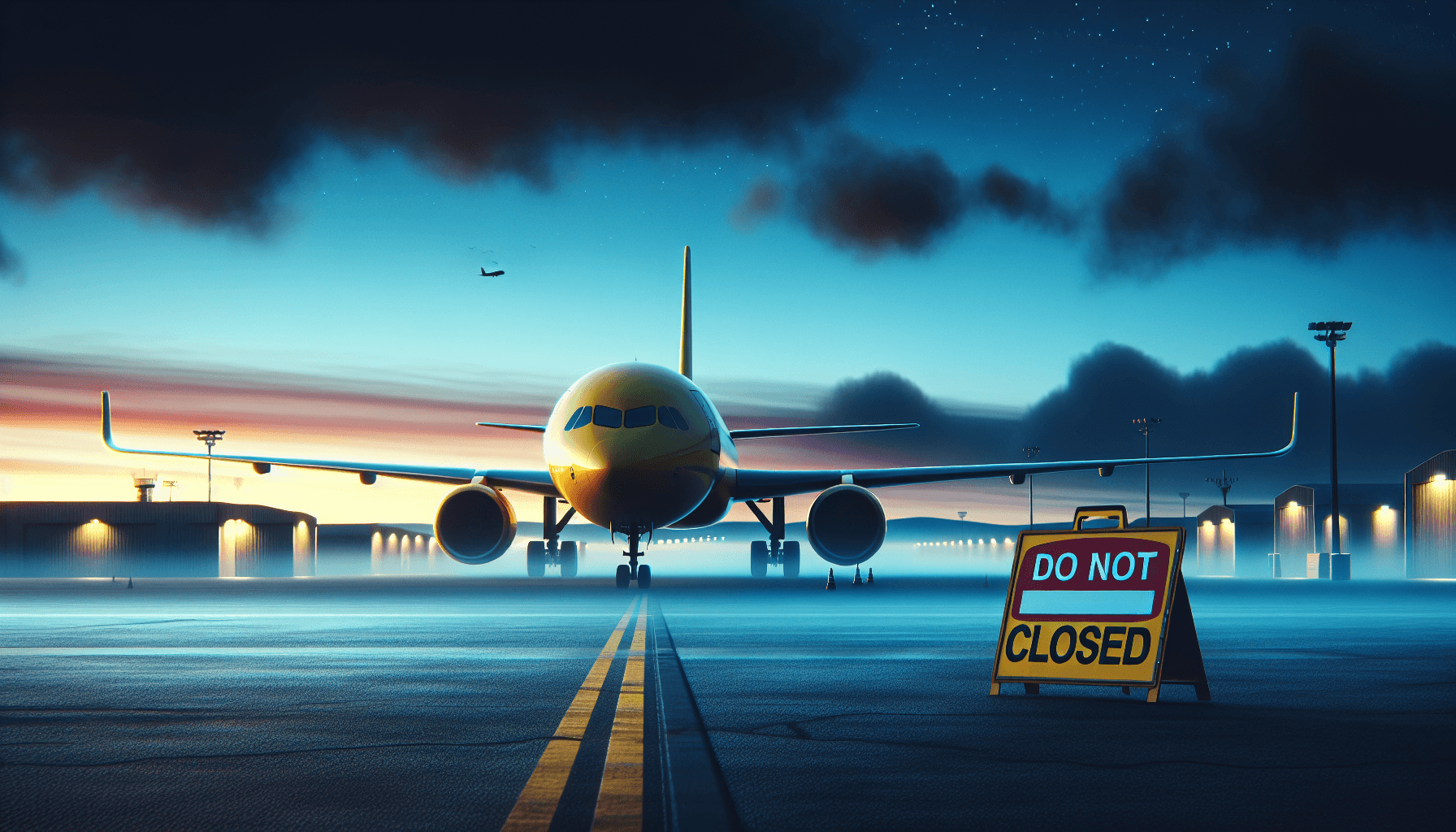
Low-cost carrier Spirit Airlines is set to cease all operations by 3 a.m. EST Saturday, following the dramatic failure of a potential bailout deal from President Donald Trump amidst severe financial complications.
Spirit Airlines Grounds All Flights After Presidential Bailout Collapses
The skies will be a little less vibrant and a lot more complicated for budget travelers as Spirit Airlines, the prominent ultra-low-cost carrier, is set to permanently cease all operations by 3 a.m. EST this Saturday. The dramatic announcement follows the eleventh-hour collapse of a potential financial rescue package spearheaded by President Donald Trump, leaving thousands of passengers stranded and an entire workforce facing an uncertain future. This abrupt grounding marks a significant shake-up in the highly competitive airline industry, underscoring the severe economic pressures faced by carriers.
A Tumultuous Path to Grounding
Spirit Airlines has long been a fixture in the North American travel landscape, known for its no-frills approach and aggressive pricing strategy. However, like many in the aviation sector, the airline has reportedly grappled with escalating financial complications over recent months. While specific details of these internal struggles remain largely undisclosed, industry analysts point to a confluence of factors, including fluctuating fuel costs, intense market competition, and broader economic headwinds, as potential contributors to its precarious position. These challenges ultimately pushed the airline to the brink, necessitating an urgent intervention.
The Unraveling of a Presidential Bailout
In a desperate bid to avert the airline's collapse, discussions for a federal bailout package, reportedly championed by President Donald Trump, had been underway. Such interventions are typically reserved for industries deemed critical to national infrastructure or in times of widespread economic crisis. The prospect of presidential support offered a glimmer of hope for Spirit's employees and shareholders. However, sources indicate that the deal failed to materialize in time, with "reported financial complications" within Spirit proving too complex or insurmountable for a swift resolution. This eleventh-hour breakdown sealed the airline's fate, leaving no viable path forward.
Immediate Impact and Passenger Chaos
The immediate consequences of Spirit's grounding are expected to be far-reaching:
- Passengers: Thousands of travelers with upcoming Spirit flights will find their plans abruptly canceled. Many will face the challenge of rebooking on other carriers, often at significantly higher last-minute fares, or seeking refunds for their now-worthless tickets. The disruption is anticipated to be particularly acute for those relying on Spirit's budget-friendly options.
- Employees: The airline's entire workforce, from pilots and flight attendants to ground staff and administrative personnel, will be directly impacted, facing immediate job loss. This represents a substantial blow to livelihoods and local economies where Spirit maintained significant operations.
- Airport Operations: Airports served by Spirit will need to adjust gate assignments and logistical planning, potentially leading to temporary operational challenges.
Broader Implications for the Airline Industry
Spirit's cessation of operations sends a chilling message across the airline industry. It highlights the fragility of even established carriers in a volatile economic climate and the limits of government intervention. For consumers, the loss of a major ultra-low-cost competitor could lead to reduced competition and potentially higher fares on routes previously served by Spirit. Other airlines are likely to absorb some of Spirit's market share, but the immediate vacuum will undoubtedly cause disruption. This event will prompt a deeper examination of the financial health of other airlines and the efficacy of current regulatory frameworks.
The grounding of Spirit Airlines at 3 a.m. EST this Saturday marks a somber moment for the aviation industry and a harsh reality for its employees and passengers. The failure of a presidential bailout, attributed to complex financial hurdles, underscores the profound challenges businesses can face. As the dust settles, the focus will shift to mitigating the fallout for affected travelers and workers, while the broader industry grapples with the implications of one of its prominent low-cost players vanishing from the skies. The future of budget air travel in the U.S. now faces an unexpected and significant void.
How this article was made
- Sources
- Fox Business
- Generated on:
- May 2, 2026
This content is produced by Acerbo.AI's AI editorial pipeline: source gathering, rewriting and imagery are automated. Editorial oversight stays human.
Related Articles

US Job Market Defies Expectations with Robust August Growth
The U.S. labor market delivered a powerful performance in August, adding 162,000 jobs and significantly surpassing forecasts, while the unemployment rate held firm at 4.1%.
North American Trade Tensions Soar: US-Canada Talks Collapse, Sparking New Trade War Fears
A last-minute breakdown in critical trade negotiations between the United States and Canada has reignited fears of a damaging trade war, threatening economic stability across the continent.

Asian Markets Reel: High Bond Yields and Elevated Oil Prices Drive Downturn
Asian stock markets are experiencing a significant downturn, primarily driven by persistently high global bond yields and elevated crude oil prices, signaling growing investor caution and economic headwinds.