The AI Gold Rush: Big Tech's $650 Billion Bet on Future Infrastructure by 2026
Tech giants are poised to invest a staggering $650 billion in AI infrastructure by 2026, fueling an unprecedented capital expenditure race to dominate the future of artificial intelligence.
The AI Gold Rush: Big Tech's $650 Billion Bet on Future Infrastructure by 2026
The global technology landscape is on the brink of a monumental shift, with major tech players projected to pour an astonishing $650 billion into AI infrastructure by 2026. This colossal investment signals an accelerating capital expenditure (capex) race, as industry leaders vie for supremacy in the burgeoning field of artificial intelligence. The scale of this financial commitment underscores AI's pivotal role in shaping the next generation of digital services and economic growth.
This unprecedented spending spree is not merely an upgrade; it's a foundational re-engineering aimed at building the robust digital backbone required to power increasingly complex and demanding AI applications. From advanced data centers to specialized processing units, every aspect of this infrastructure is critical to unlocking AI's full potential.
Unpacking the Unprecedented Investment
What exactly constitutes this massive AI infrastructure bill? It encompasses a broad spectrum of hardware and facilities designed to support the intense computational needs of artificial intelligence. Key components include:
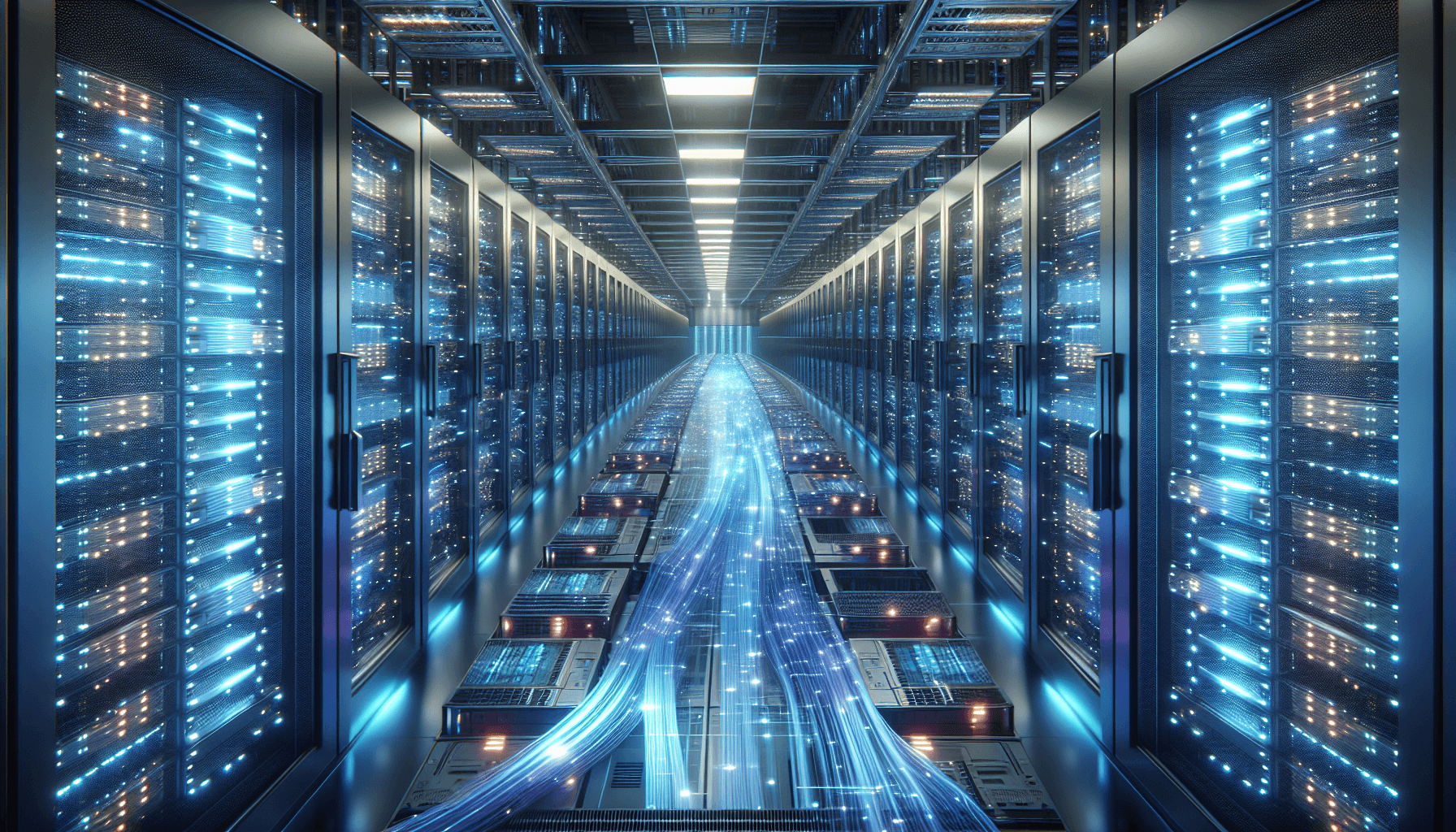
- High-Performance Data Centers: Vast facilities equipped with cutting-edge servers and advanced cooling systems.
- Graphics Processing Units (GPUs): Essential for parallel processing, crucial for training and deploying large AI models.
- Specialized AI Chips: Custom-designed accelerators that offer superior efficiency for AI workloads.
- Advanced Networking: High-bandwidth connections to ensure seamless data flow within and between data centers.
- Energy Infrastructure: Significant investments in power generation and distribution to meet the immense energy demands.
The demand for this infrastructure is being primarily driven by the exponential growth of large language models (LLMs), generative AI, and other sophisticated machine learning applications that require immense processing power and data storage capabilities.
The Driving Forces Behind the Capex Surge
Several compelling factors are fueling this aggressive capital expenditure race among big tech companies. At its core is the pursuit of a competitive edge. Companies that can develop, deploy, and scale AI solutions faster and more efficiently will gain significant market advantages. This isn't just about offering new products; it's about fundamentally transforming existing services and creating entirely new industries.
Moreover, the need for scalability is paramount. As AI models become more complex and user bases grow globally, the underlying infrastructure must be capable of handling petabytes of data and trillions of operations per second. This forward-looking investment ensures that companies can meet future demand without performance bottlenecks.
A Global Arms Race for AI Dominance
This capex surge represents a global technological arms race. Major players understand that leadership in AI translates directly to economic and strategic power. The companies making these investments are not just buying hardware; they are securing their future relevance in a world increasingly shaped by AI. The ripple effects extend across the entire tech ecosystem, boosting demand for semiconductor manufacturers, energy providers, and construction firms specializing in data center development.
The race also impacts talent acquisition, as companies compete fiercely for engineers, researchers, and data scientists capable of designing, building, and managing these complex AI systems. It's a holistic investment in technology, people, and future capabilities.
Challenges and Considerations on the Horizon
While the investment promises immense returns, it also presents significant challenges. The environmental impact of massive data centers and their energy consumption is a growing concern, pushing companies towards more sustainable and efficient solutions. Supply chain resilience, especially for advanced chips, remains a critical factor. Furthermore, the sheer financial commitment carries inherent risks, requiring careful strategic planning to ensure a strong return on investment.
Looking Ahead: The AI-Powered Future
The projected $650 billion investment in AI infrastructure by 2026 is more than just a number; it's a powerful indicator of the profound belief in AI's transformative potential. Big Tech's accelerated capex race signifies a firm commitment to building the foundations of an AI-powered future. This ongoing investment will not only redefine industries and economies but also reshape how we interact with technology, making AI an even more integral part of our daily lives.