
UAE Bids Farewell to OPEC: Charting an Independent Course in Global Energy
The United Arab Emirates is set to permanently leave OPEC on May 1, a landmark decision signaling a shift in global energy dynamics and the nation's independent economic ambitions.
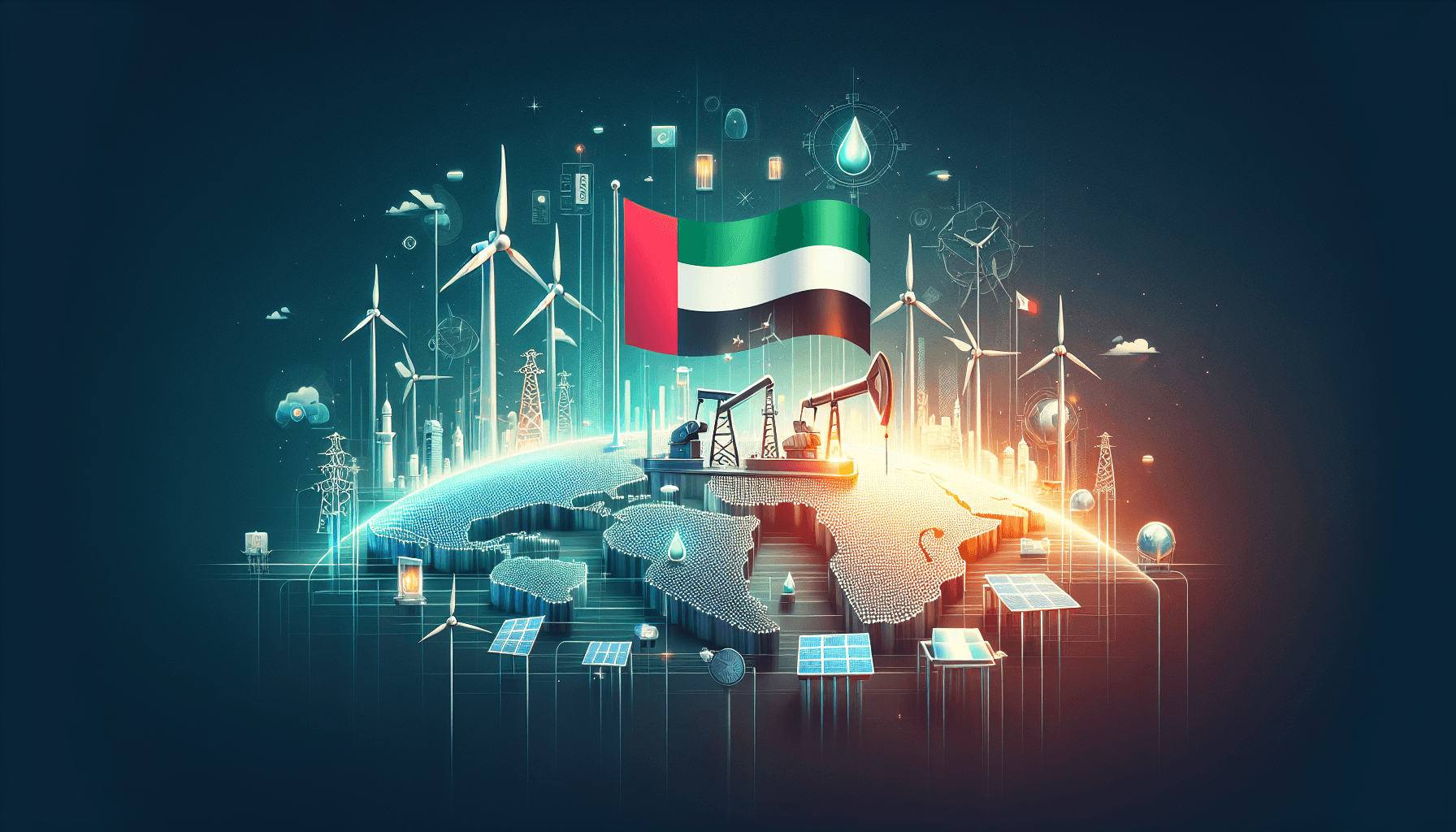
A Historic Departure: UAE Exits OPEC on May 1
The global energy landscape is bracing for a significant shift as the United Arab Emirates (UAE) officially withdraws from the Organization of the Petroleum Exporting Countries (OPEC) on May 1. This pivotal decision marks the end of decades of membership for the Gulf nation, signaling a bold new chapter in its economic and energy strategy. The move is expected to have far-reaching implications, not just for the UAE but also for OPEC's cohesion and the broader international oil market.
OPEC, established in 1960, has historically played a crucial role in stabilizing global oil markets by coordinating production policies among its member states. The UAE has been a key player within the organization, contributing significantly to its collective output and strategic decisions. However, the nation's evolving economic vision and increasing diversification efforts appear to have driven this strategic realignment.
Driving Forces Behind the Decision
Several factors are believed to underpin the UAE's decision to pursue an independent energy policy. Primarily, the nation's ambitious economic diversification agenda, encapsulated in initiatives like "Vision 2071," aims to reduce its reliance on oil revenues. By fostering non-oil sectors such as technology, tourism, and renewable energy, the UAE seeks to build a more resilient and sustainable economy for the future.
Furthermore, the UAE has significantly invested in boosting its oil production capacity, often finding itself constrained by OPEC's collective quotas. An independent stance would grant the UAE greater flexibility to manage its production levels according to its national interests and market demands, potentially allowing it to capitalize more effectively on its vast reserves and advanced production capabilities.
The nation's growing commitment to renewable energy and climate action also plays a role. As the UAE positions itself as a leader in green technology and sustainable development, aligning its energy strategy independently allows for greater agility in pursuing these goals without the complexities of OPEC's oil-centric mandate.
Implications for the UAE's Future
For the UAE, departing from OPEC heralds a new era of unfettered autonomy in its energy policy. This freedom could translate into increased oil production if market conditions are favorable, potentially boosting national revenues and funding further diversification initiatives. It also allows the UAE to forge more direct bilateral energy agreements and partnerships on its own terms.
The move underscores the UAE's confidence in its ability to navigate global markets independently and reinforces its commitment to becoming a global hub for innovation and sustainable industries. This independence is crucial as the nation accelerates its transition towards a post-oil economy, with significant investments in solar, nuclear, and hydrogen energy projects.
The Ripple Effect on OPEC and Global Markets
The departure of a major producer like the UAE undoubtedly presents a challenge for OPEC. While the immediate impact on global oil prices might be contained, given the broader OPEC+ alliance (which includes non-OPEC producers like Russia), it could raise questions about the long-term unity and influence of the cartel. OPEC will need to adapt to the loss of one of its most technologically advanced and strategically located members.
For the global oil market, the primary concern will be how the UAE exercises its newfound freedom. Should it significantly increase production, it could add downward pressure on prices, although its actions would likely remain calibrated to avoid market instability. The broader trend indicates a move towards more diversified energy portfolios among major producing nations, signaling a gradual but inevitable transformation of the global energy landscape.
A New Chapter in Energy Diplomacy
The UAE's exit from OPEC is more than just an energy policy decision; it's a statement of its evolving geopolitical and economic ambitions. By charting an independent course, the UAE aims to solidify its position as a proactive and influential player on the international stage, capable of shaping its own destiny. This landmark move underscores a broader trend among Gulf nations to diversify their economies and assert greater control over their strategic assets, paving the way for a more dynamic and competitive global energy future.
How this article was made
- Sources
- CBS News MoneyWatch
- Generated on:
- Apr 28, 2026
This content is produced by Acerbo.AI's AI editorial pipeline: source gathering, rewriting and imagery are automated. Editorial oversight stays human.
Related Articles

US Inflation Jumps to 3.7%, Sending Shockwaves Through Tech Markets
The latest US inflation figures reveal an unexpected rise to 3.7%, sparking renewed concerns among investors and sending ripples of pressure across the technology sector.

Strong Bank Earnings Fail to Sway Markets: Unpacking Wall Street's Indifference
Major banks have reported impressive quarterly earnings, showcasing robust financial health. However, the market's muted reaction suggests deeper concerns about future economic headwinds, interest rate trajectories, and investor sentiment. We delve into the paradox.

Wall Street's AI Revolution: Four Years On, Are Risks Looming Large?
Wall Street's AI-driven bull market nears its four-year mark. While innovation soars, rising concerns over valuations, market concentration, and regulation signal potential headwinds.