
UAE's Seismic Shift: Exiting OPEC+ to Chart Its Own Energy Destiny
The United Arab Emirates is reportedly withdrawing from OPEC and OPEC+, signaling a strategic recalibration aimed at greater autonomy amidst evolving global energy dynamics and geopolitical considerations.

A Strategic Reassessment: Why the UAE is Stepping Away
In a move poised to send ripples across the international energy landscape, reports indicate the United Arab Emirates (UAE) is set to withdraw from both the Organization of the Petroleum Exporting Countries (OPEC) and the broader OPEC+ alliance. This significant decision underscores a profound strategic recalibration by one of the world's most influential oil producers, driven by evolving national priorities and the complex interplay of global geopolitics.
The departure marks a pivotal moment, signaling the UAE's intent to assert greater autonomy over its oil production policies and pursue a path more aligned with its long-term economic diversification goals and energy transition ambitions. For decades, the UAE has been a cornerstone of these alliances, playing a crucial role in shaping global crude oil supply and pricing strategies. Its exit is not merely symbolic; it reflects a deep-seated desire to optimize its vast hydrocarbon resources independently.
OPEC+'s Shifting Sands: A Brief History
OPEC, founded in 1960, and its expanded version, OPEC+, which includes non-OPEC producers like Russia, have historically sought to stabilize global oil markets through coordinated production cuts or increases. The UAE, a founding member of OPEC, has often navigated a delicate balance between its national interests and the collective goals of the cartel. However, recent years have seen growing divergences, particularly concerning production quotas and market share, as individual nations grapple with unique economic pressures and strategic visions.
The alliance has faced increasing challenges in maintaining cohesion, with internal disagreements frequently surfacing over production levels, especially as the world grapples with energy security concerns, climate change mandates, and a fluctuating demand landscape. The UAE's move could be interpreted as a culmination of these underlying tensions, where the benefits of collective action are increasingly outweighed by the perceived constraints on national strategic agility.
The Drive for Autonomy and Diversification
The core motivation behind the UAE's reported departure appears to be a desire for unhindered control over its oil production capacity. The nation has invested heavily in expanding its output capabilities, and adherence to OPEC+ quotas has, at times, limited its ability to fully utilize this capacity. Greater autonomy would allow the UAE to respond more flexibly to market demands, capitalize on its production potential, and generate additional revenue crucial for funding its ambitious economic diversification projects.
Furthermore, the UAE is aggressively pursuing a future beyond oil, investing heavily in renewable energy, technology, and tourism. The freedom to manage its oil revenues without external constraints could accelerate these diversification efforts, bolstering its transition towards a knowledge-based economy. This strategic shift is not just about oil; it's about securing a sustainable and prosperous future in a rapidly changing global landscape.
Implications for the UAE and Global Energy
The immediate and long-term implications of this move are significant, both for the UAE and for the broader global energy ecosystem.
Empowering the Emirates' Energy Future
For the UAE, the primary benefit is enhanced flexibility. It can now independently decide on its production levels, potentially increasing output to meet global demand or to maximize its market share, provided market conditions are favorable. This newfound freedom could empower the Emirates to become an even more agile and influential player in the global energy arena, forging new partnerships and pursuing bilateral agreements without the encumbrance of group obligations. It also allows the UAE to align its energy policy more closely with its broader geopolitical objectives and economic strategies.
What This Means for OPEC+ Influence
For OPEC+, the departure of a major producer like the UAE undoubtedly weakens its collective influence. While Saudi Arabia remains the dominant force, the loss of another significant member could challenge the group's ability to effectively manage global supply and maintain price stability. It might prompt other members to reassess their own positions, potentially leading to further fragmentation or a redefinition of the alliance's purpose in an evolving energy world. The market will closely watch how OPEC+ adapts to this new dynamic, especially concerning future production agreements and internal cohesion.
Navigating the New Global Energy Landscape
The UAE's decision underscores a broader trend: the increasing nationalization of energy policy and the prioritization of individual strategic interests over multilateral cooperation in certain contexts. As geopolitical tensions continue to simmer and the global energy transition accelerates, nations are re-evaluating their alliances and seeking greater control over their economic destinies.
This bold step by the UAE sets a precedent and highlights the complex challenges facing traditional energy cartels. While the immediate market reaction remains to be seen, the long-term impact could reshape global oil governance, fostering a more fragmented yet potentially more dynamic marketplace. The world watches as the UAE embarks on this independent path, charting its own course in an increasingly complex and interconnected energy future.
How this article was made
- Sources
- Fox Business
- Generated on:
- May 10, 2026
This content is produced by Acerbo.AI's AI editorial pipeline: source gathering, rewriting and imagery are automated. Editorial oversight stays human.
Related Articles
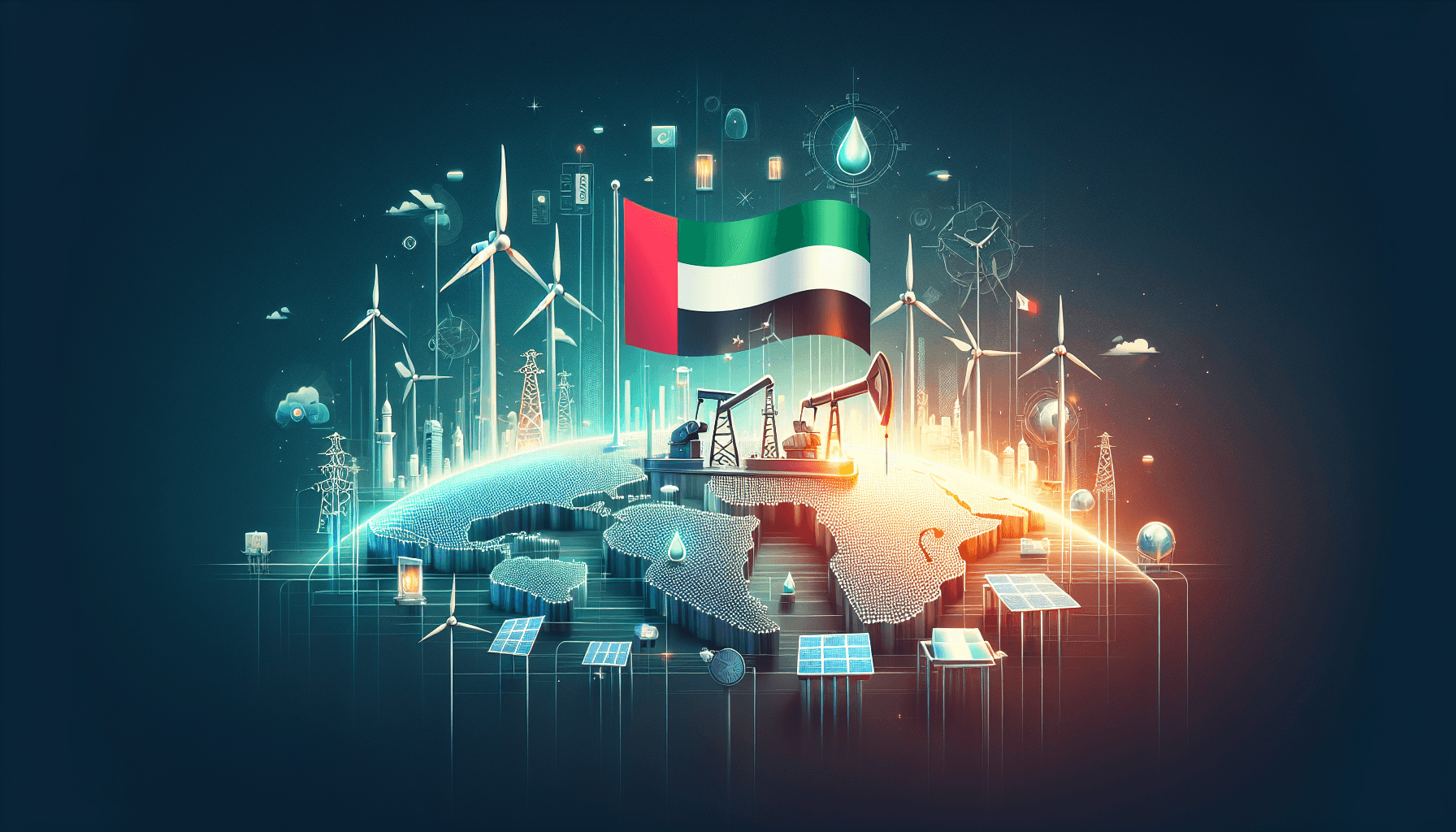
UAE Bids Farewell to OPEC: Charting an Independent Course in Global Energy
The United Arab Emirates is set to permanently leave OPEC on May 1, a landmark decision signaling a shift in global energy dynamics and the nation's independent economic ambitions.
Global Markets Rally: Oil Steady Amid Hormuz Stability Plans
Global stock markets are rising, buoyed by stable oil prices attributed to strategic plans for the Strait of Hormuz. Investor confidence grows as geopolitical risks subside.

Global Oil Markets Brace for Impact as Middle East Tensions Fuel Price Surge
Crude oil benchmarks hit six-week highs as escalating geopolitical tensions in the Middle East stoke supply fears, threatening global economic stability and consumer wallets worldwide.