UCSF Unveils Dual Breakthroughs: A New Horizon for Neurological Disorders and Cancer Treatment
UCSF researchers have announced two pivotal advances, promising a transformative impact on early diagnosis of neurological disorders and targeted cancer therapies.
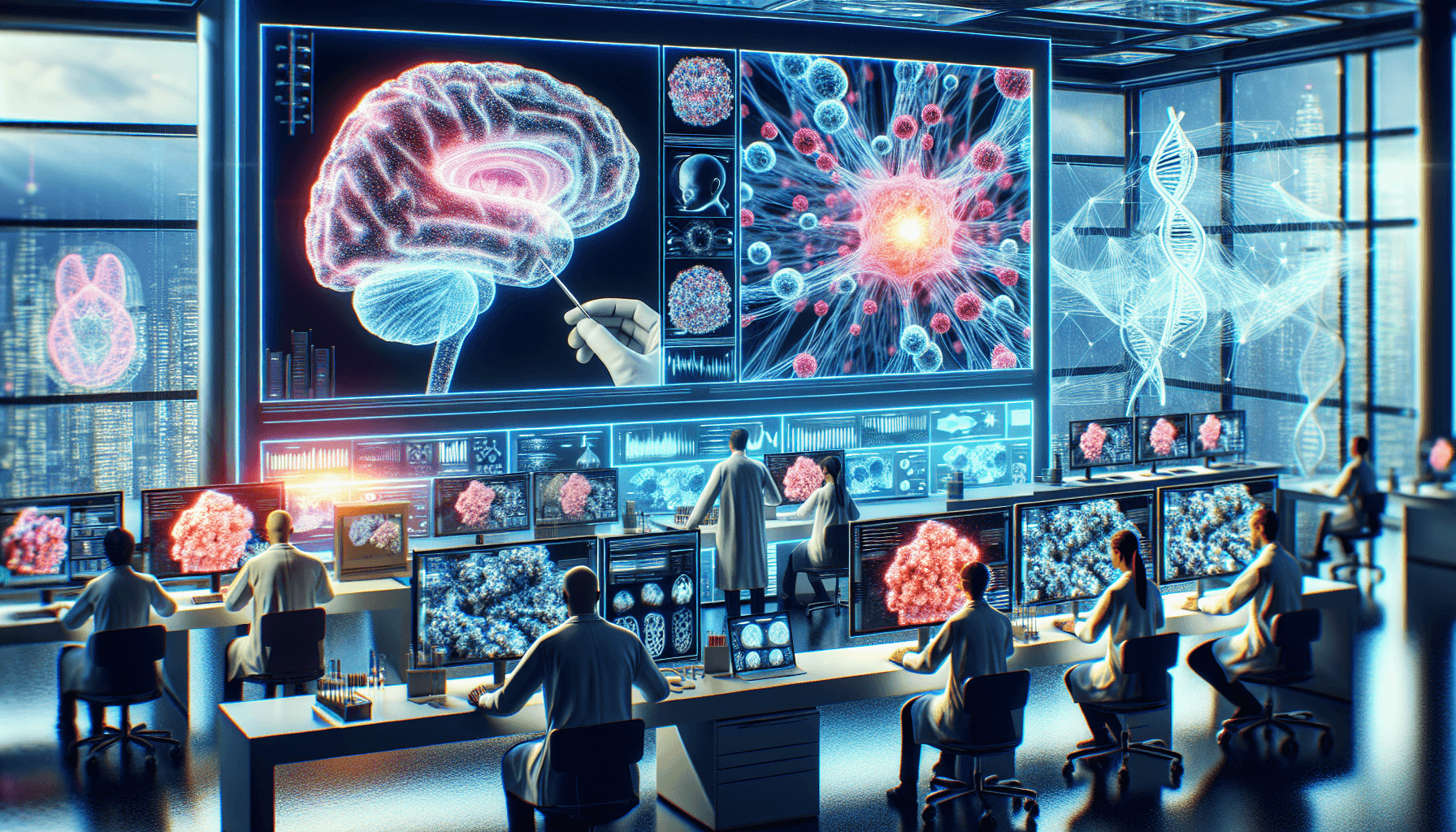
Revolutionizing Medicine: UCSF's Dual Scientific Leaps
In a landmark announcement poised to redefine the landscape of modern medicine, researchers at the University of California, San Francisco (UCSF) have unveiled two groundbreaking discoveries. These advancements offer unprecedented hope in the ongoing global fight against debilitating neurological disorders and the pervasive challenge of cancer, marking a significant stride forward in diagnostic and therapeutic strategies.
For decades, both neurological conditions and various forms of cancer have presented formidable obstacles to medical science, often characterized by complex pathologies and limited treatment options. However, UCSF's latest contributions promise to usher in a new era of precision and efficacy, potentially transforming patient outcomes worldwide.
Unlocking Early Detection for Neurological Disorders
One of the pivotal breakthroughs centers on a novel diagnostic method for
Traditionally, diagnosing conditions like Alzheimer's or Parkinson's disease has been a lengthy and often inexact process, relying heavily on clinical symptoms that emerge only when significant neuronal damage has already occurred. This new UCSF innovation changes the paradigm entirely, offering a window for therapeutic strategies to be deployed when they might be most effective.
- Enhanced Accuracy: The new test boasts over 90% accuracy in preclinical trials.
- Minimally Invasive: A simple blood draw replaces more complex and costly procedures.
- Early Intervention: Allows for potential therapies to slow or halt disease progression.
A New Arsenal Against Cancer: Precision Targeted Therapy
The second groundbreaking announcement from UCSF introduces a revolutionary approach to cancer treatment: a highly
Many patients facing advanced or metastatic cancers often develop resistance to conventional chemotherapy and even some targeted drugs. The UCSF team's discovery leverages cutting-edge
This development is particularly exciting for oncologists, as it promises to expand the toolkit for
Impact and Future Horizons
These dual breakthroughs from UCSF underscore the relentless pursuit of knowledge at the forefront of medical science. The potential impact on global health is immense, offering not just new treatments but also a fundamental shift in how we approach disease management.
The neurological diagnostic tool could pave the way for a future where neurodegenerative diseases are managed more like chronic conditions rather than terminal illnesses. Simultaneously, the advanced cancer therapy opens doors to overcoming drug resistance, a major hurdle in oncology, potentially saving countless lives.
As these discoveries move from laboratory to clinic, they symbolize a profound step forward, igniting hope for millions. UCSF's commitment to