UCSF Unveils Dual Breakthroughs: New Hope for Neurological Disorders and Cancer
Researchers at UCSF have announced two monumental scientific advancements offering fresh hope in the global fight against debilitating neurological conditions and various forms of cancer.
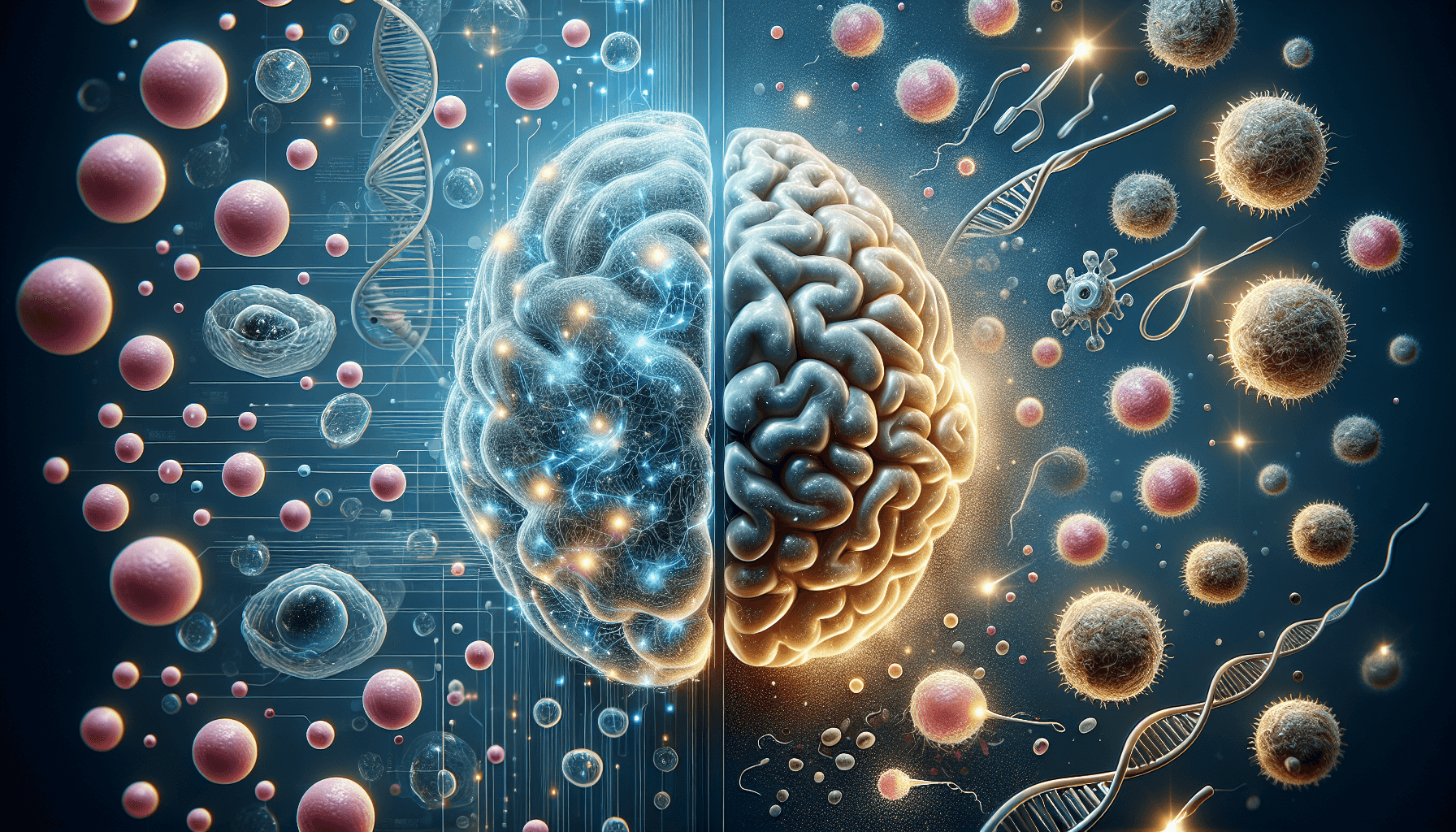
A New Dawn in Medical Science: UCSF's Groundbreaking Discoveries
In a monumental stride for global health, researchers at the University of California, San Francisco (UCSF) have announced two distinct, yet equally transformative breakthroughs poised to redefine treatment paradigms for some of humanity's most challenging diseases. These advancements, originating from UCSF's cutting-edge laboratories, offer renewed hope for millions battling neurological disorders and various forms of cancer worldwide.
Revolutionizing Brain Health: The "Neuro-Regen" Protocol
The first breakthrough focuses on
This innovative approach utilizes a modified adeno-associated virus (AAV) to deliver a specific gene directly to brain cells. Once delivered, this gene promotes the robust production of a neurotrophic factor crucial for neuronal health and repair. Early studies indicate that this factor not only helps prevent the formation of toxic amyloid-beta plaques and tau tangles – hallmarks of Alzheimer's – but also actively strengthens existing synaptic connections and potentially fosters the growth of new ones.
- Targeted Delivery: Employs AAV for precise genetic payload delivery to neurons.
- Dual Action: Prevents plaque/tangle formation and enhances synaptic function.
- Early Intervention: Shows greatest promise in slowing or halting cognitive decline in initial stages.
Dr. Elena Rodriguez, lead researcher for the Neuro-Regen project, states, "This is more than just a symptomatic treatment; it's an attempt to intervene at the fundamental biological level of Alzheimer's progression. The preclinical results are incredibly encouraging, suggesting we might finally have a pathway to significantly delay or even prevent the devastating impact of this disease."
Transforming Cancer Treatment: The "Immuno-Sentinel" Strategy
Simultaneously, UCSF's oncology department has introduced a groundbreaking
The Immuno-Sentinel approach combines two powerful elements: a
- Personalized Approach: Neoantigen vaccines tailored to individual tumor mutations.
- Enhanced Immune Activation: Novel checkpoint inhibitor amplifies the immune response.
- Broader Efficacy: Demonstrates potential against resistant cancers like pancreatic cancer and glioblastoma.
Professor David Chen, head of UCSF's Cancer Immunotherapy Program, explains, "Current immunotherapies have revolutionized cancer treatment, but many patients still don't respond. Immuno-Sentinel's dual-action mechanism not only trains the immune system with precision but also supercharges its ability to eliminate even the most elusive cancer cells, all while aiming for fewer systemic side effects."
A Future Forged by Innovation and Collaboration
These dual breakthroughs underscore UCSF's commitment to pioneering research that directly addresses pressing global health challenges. Both the Neuro-Regen protocol and the Immuno-Sentinel strategy are currently advancing towards human clinical trials, promising a future where neurological decline can be mitigated and cancer becomes a more manageable, or even curable, condition for a wider range of patients.
The scientific community and patient advocacy groups alike are eagerly awaiting the next phases of these studies, recognizing them as pivotal moments in the ongoing battle for human health. These advancements represent not just scientific milestones, but beacons of hope, illuminating new pathways to longer, healthier lives for millions across the globe.