UCSF Unveils Dual Breakthroughs: Paving New Paths in Neurological and Cancer Therapies
UCSF researchers announce two significant advancements, offering renewed hope in the fight against devastating neurological disorders and a range of cancers, marking a new era in precision medicine.
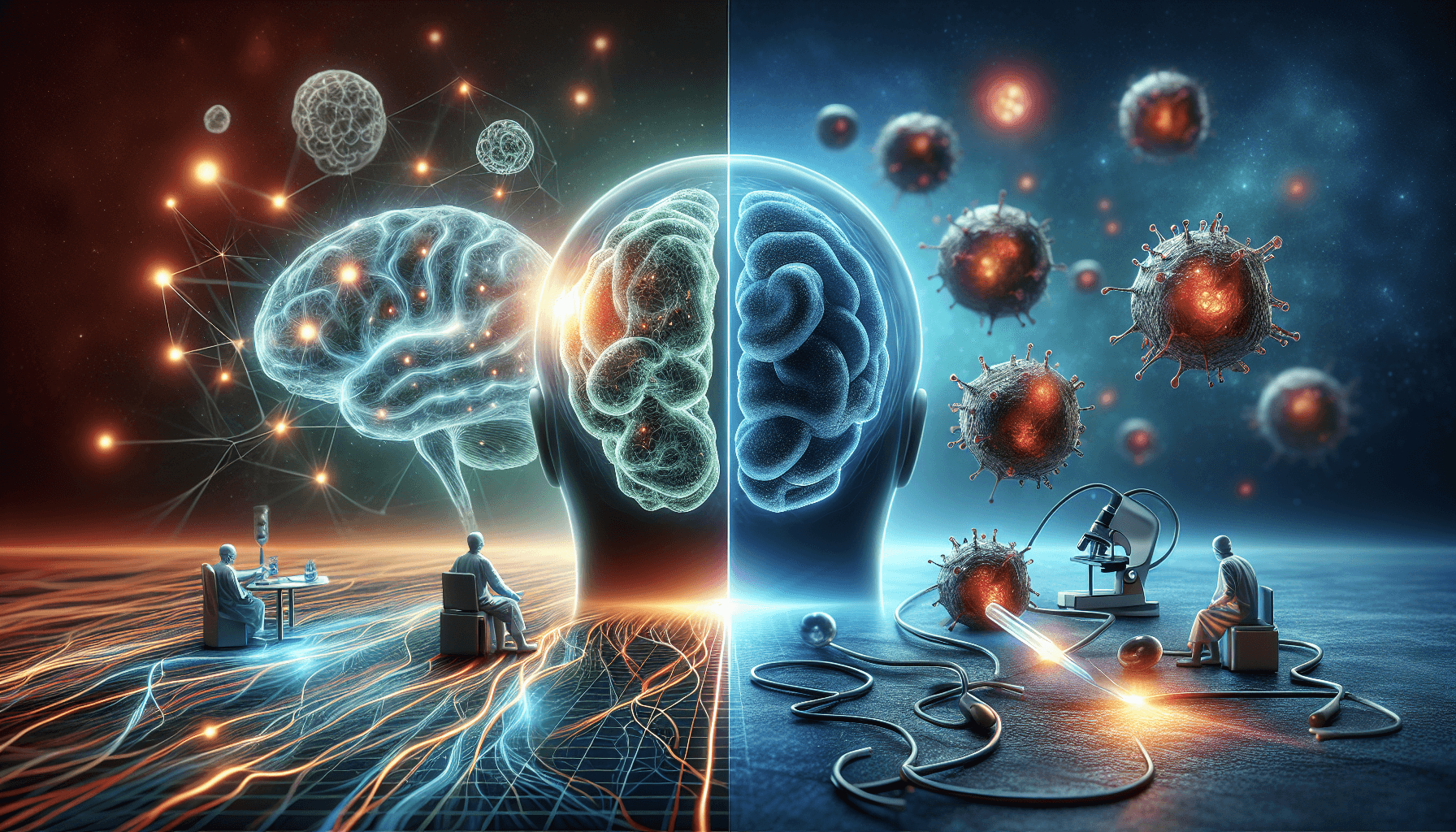
Revolutionary Strides: UCSF Pioneers Dual Breakthroughs in Medicine
San Francisco, CA – In a landmark announcement from the University of California, San Francisco (UCSF), researchers have unveiled two distinct yet equally profound breakthroughs that promise to reshape the landscape of treatment for both debilitating neurological disorders and a spectrum of cancers. These recent findings, emerging in early 2026, underscore UCSF's unwavering commitment to pushing the boundaries of medical science, offering tangible new hope to millions worldwide.
The discoveries represent significant leaps forward in understanding complex disease mechanisms and developing highly targeted therapeutic interventions. Experts are hailing these advancements as a pivotal moment, signaling a new era of precision medicine where treatments are tailored with unprecedented accuracy.
Unlocking Brain Health: A New Perspective on Neurological Disorders
One of the groundbreaking studies from UCSF's Weill Institute for Neurosciences has shed critical new light on the molecular underpinnings of synaptic dysfunction, a key pathological feature in early-stage neurodegenerative diseases like Alzheimer's. Researchers identified a novel protein pathway that, when disrupted, significantly impairs communication between brain cells, leading to cognitive decline.
"Our team has pinpointed a crucial regulatory mechanism that, if modulated correctly, could potentially restore synaptic integrity," stated Dr. Elena Rodriguez, lead author of the neurological study. "This discovery doesn't just explain *why* neurons fail; it offers a compelling, previously unrecognized target for drug development that could halt or even reverse some of the earliest signs of these devastating conditions."
- Key Discovery: Identification of a novel protein pathway critical for synaptic function.
- Implication: Opens avenues for targeted therapies to prevent or reverse early neurodegeneration.
- Future Promise: Potential for early intervention in conditions like Alzheimer's and Parkinson's.
This research moves beyond symptomatic treatments, aiming directly at the root causes of neuronal damage. The team is already exploring several small-molecule compounds that show promise in preclinical models, with hopes of advancing to human trials in the coming years.
Revolutionizing Cancer Treatment: Precision and Personalization
Simultaneously, UCSF's Helen Diller Family Comprehensive Cancer Center has announced a breakthrough in personalized oncology, centered around an advanced AI-driven platform. This innovative system leverages vast genomic and proteomic data to rapidly identify highly specific biomarkers and corresponding therapeutic targets for individual cancer patients, particularly those with rare or aggressive forms of the disease.
The platform has already demonstrated remarkable success in clinical trials, guiding the development of bespoke immunotherapy regimens for patients who had previously exhausted standard treatment options. "We are witnessing a paradigm shift in how we approach cancer," explained Dr. Marcus Chen, head of oncology research. "Instead of a one-size-fits-all approach, our AI-powered system allows us to create a truly personalized battle plan against each patient's unique tumor, dramatically improving response rates and reducing side effects."
This AI-driven strategy not only accelerates drug discovery but also optimizes existing therapies by predicting which patients will respond best to specific treatments. It's a powerful fusion of artificial intelligence and biological insights, yielding unprecedented precision in cancer care.
The Power of Interdisciplinary Research at UCSF
Both breakthroughs highlight the collaborative spirit and interdisciplinary excellence that define UCSF. The neurological research benefited from close ties between neuroscientists, geneticists, and pharmacologists, while the cancer innovation integrated expertise from oncologists, computational biologists, and immunologists. This convergence of diverse talents is proving to be a catalyst for rapid scientific progress.
"These achievements are a testament to the dedication of our researchers and the unique ecosystem at UCSF that fosters bold, impactful science," commented Dr. Sarah Jenkins, Dean of Research. "By tackling two of humanity's most challenging diseases simultaneously, we are not just discovering new treatments; we are building a foundation for a healthier future."
Looking Ahead: A Future of Targeted Cures
The implications of these UCSF breakthroughs are far-reaching. For neurological disorders, the ability to intervene early and target specific molecular pathways could transform the lives of individuals at risk, potentially delaying or preventing disease onset. In oncology, personalized AI-driven therapies promise to turn previously untreatable cancers into manageable conditions, offering renewed hope where little existed before.
As UCSF continues to advance these promising lines of inquiry, the global medical community watches with anticipation. These dual breakthroughs are not merely scientific milestones; they are beacons of hope, illuminating new pathways towards a future where debilitating diseases are met with increasingly effective, precision-engineered solutions.