Unlocking Tomorrow: 7 Pivotal Life Sciences Trends Shaping 2026
Explore the cutting-edge innovations transforming life sciences in 2026, from AI-driven drug discovery to precision medicine and sustainable biotech, impacting global health and industry.
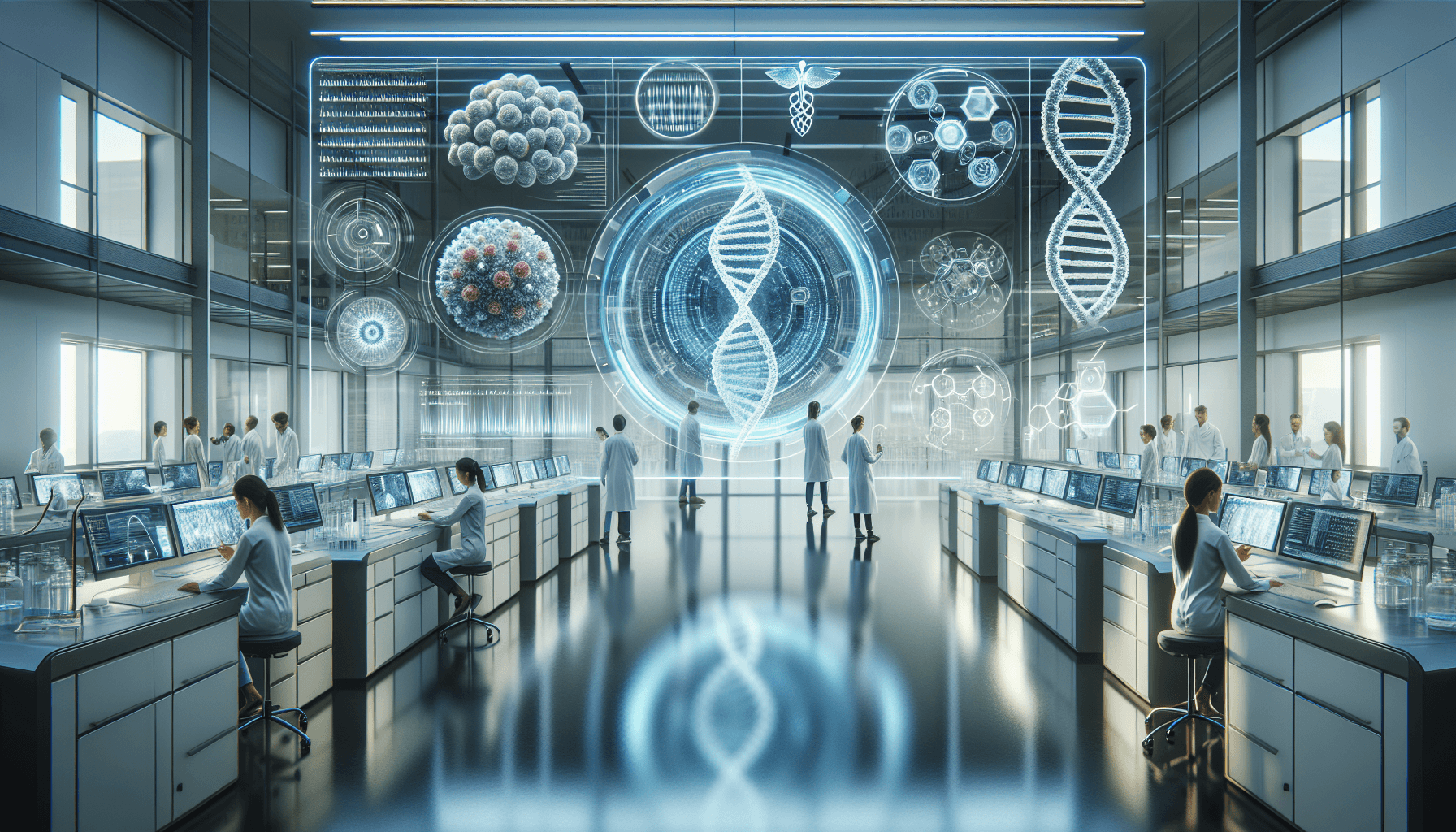
The Future is Now: Navigating the Life Sciences Landscape in 2026
The life sciences sector is experiencing an unprecedented period of rapid innovation, driven by technological breakthroughs and a global imperative for better health and sustainable solutions. As we look towards 2026, several key trends are poised to redefine how we understand, treat, and even prevent disease, while simultaneously revolutionizing industries far beyond medicine. These developments promise a future where scientific discovery translates into tangible, life-changing advancements at an accelerated pace.
Artificial Intelligence: The Brain Behind Breakthroughs
Artificial Intelligence (AI) and Machine Learning (ML) are integral tools transforming life sciences. In 2026, expect AI to accelerate drug discovery, sifting through vast datasets to identify novel drug candidates and predict efficacy and toxicity with remarkable accuracy. This revolution extends to personalized treatment plans, where AI analyzes patient data—from genetics to lifestyle—to recommend the most effective therapies.
- Accelerated Drug Discovery: AI algorithms drastically cut down time and cost for identifying new compounds.
- Enhanced Diagnostics: AI-powered imaging and data analysis lead to earlier, more accurate disease detection.
- Personalized Medicine: Tailoring treatments based on individual biological profiles becomes more sophisticated.
Precision Medicine's Ascent: Tailoring Treatments to You
Building on genomic sequencing, precision medicine will move beyond just genetic predisposition in 2026. It will increasingly integrate a broader spectrum of individual data, including proteomics, metabolomics, and real-time physiological responses from wearables. This holistic approach will enable highly individualized treatment strategies, minimizing side effects and maximizing therapeutic impact for truly bespoke healthcare.
CRISPR and Gene Editing: Beyond the Hype
While CRISPR technology has been a scientific marvel, 2026 will see its maturation into more widespread clinical applications. Expect significant strides in gene therapies for previously untreatable genetic disorders, moving from rare to more common conditions. Ethical frameworks and delivery mechanisms will evolve, making gene editing a more precise, safer, and potentially curative tool for a broader range of human ailments, also finding applications in agriculture.
Synthetic Biology & Bioengineering: Designing Life for Purpose
The ability to design and engineer biological systems will reach new heights. Synthetic biology in 2026 will be instrumental in creating novel biomaterials, developing sustainable biofuels, and engineering microbes for bioremediation. This field promises innovative solutions for manufacturing, environmental challenges, and advanced diagnostics, moving towards a future where biological systems are programmable for specific functions.
Multi-Omics Integration: The Complete Biological Picture
Integrating data from multiple omics (genomics, transcriptomics, proteomics, metabolomics) provides an unparalleled view of biological systems. By 2026, advanced computational tools will routinely combine these diverse datasets to uncover complex disease mechanisms, identify new biomarkers, and predict therapeutic responses with greater accuracy, paving the way for truly comprehensive biological insights.
Advanced Diagnostics & Wearables: Empowering Proactive Health
The convergence of miniaturized sensors, advanced analytics, and connectivity will revolutionize diagnostics. Wearable devices will evolve beyond fitness tracking, offering continuous, non-invasive monitoring of vital signs, biomarkers, and early indicators of disease. Expect a surge in point-of-care diagnostics delivering rapid, accurate results outside traditional clinical settings, empowering individuals to manage their health proactively and facilitating remote patient monitoring.
Sustainable Biotech: Greening Our Future
As global environmental concerns intensify, biotechnology will play a crucial role in fostering sustainability. In 2026, we will see significant advancements in using biotech for cleaner industrial processes, developing biodegradable materials, and creating more efficient agricultural practices. From carbon capture technologies powered by engineered organisms to sustainable food production, biotech offers powerful tools to mitigate climate change and build a circular economy.
Embracing the Biotechnological Renaissance
The life sciences landscape in 2026 is set to be a dynamic and transformative arena. These seven trends—AI, precision medicine, gene editing, synthetic biology, multi-omics, advanced diagnostics, and sustainable biotech—represent pivotal shifts poised to deliver profound impacts on human health, economic development, and environmental stewardship. Understanding and embracing these converging forces will be key to unlocking a healthier, more sustainable future for all.