Unlocking Tomorrow: Biotech's Transformative Horizons in 2026
Explore the groundbreaking biotech breakthroughs expected by 2026, from precision gene editing and AI-powered personalized medicine to sustainable synthetic biology solutions shaping our future.
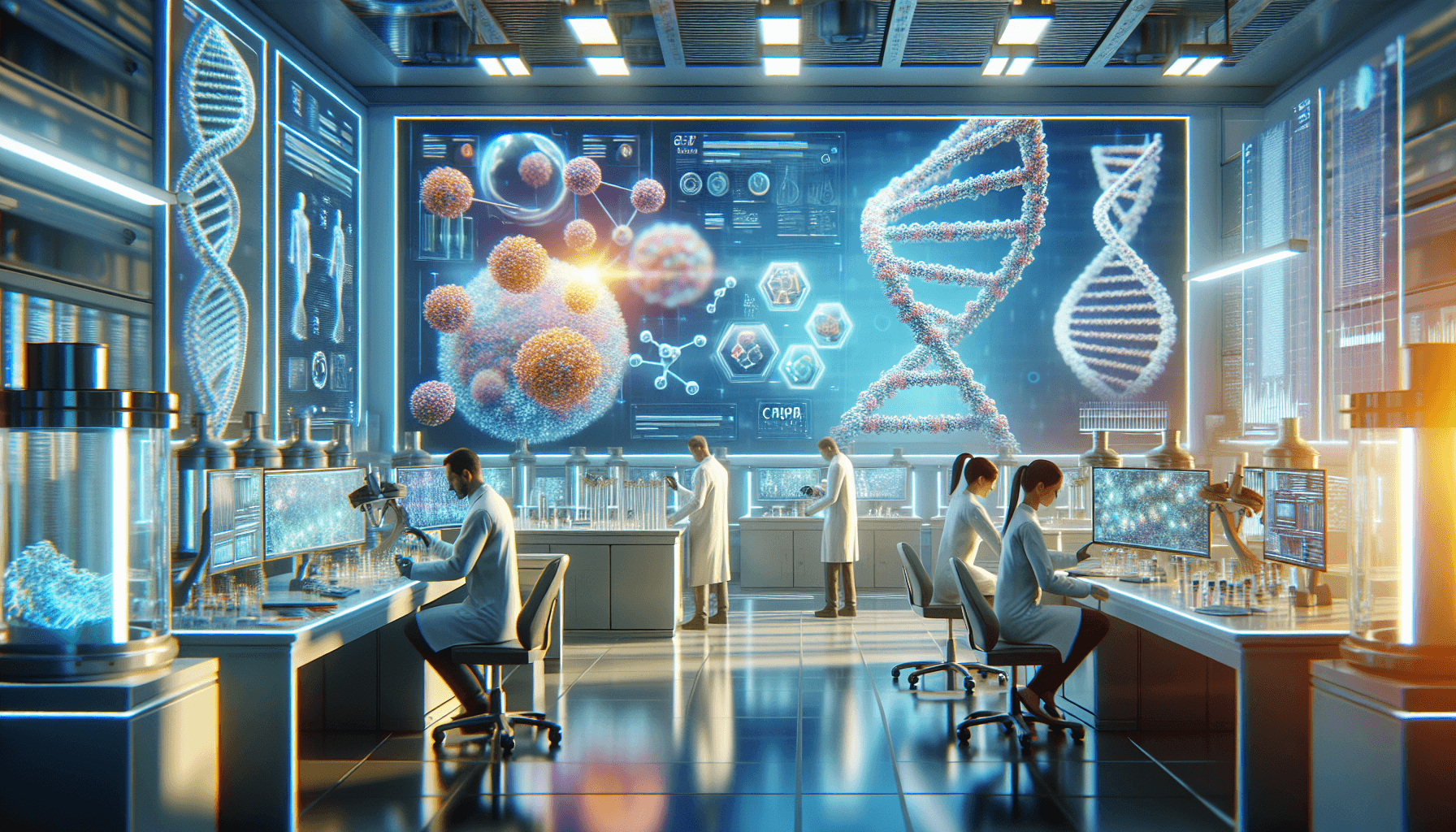
Unlocking Tomorrow: Biotech's Transformative Horizons in 2026
The world of biotechnology is a relentless engine of innovation, constantly pushing the boundaries of what's possible in medicine, agriculture, and environmental science. As we look towards 2026, the landscape is poised for groundbreaking advancements that promise to redefine human health and our interaction with the planet. From precision gene editing to AI-powered drug discovery and sustainable bio-manufacturing, 2026 will solidify biotech's role as a cornerstone of future progress.
The Gene Revolution: Precision and Potential
By 2026, gene editing technologies, particularly CRISPR, are expected to move from experimental stages to more widespread clinical applications. We anticipate significant progress in treating genetic disorders like sickle cell anemia, cystic fibrosis, and Huntington's disease, offering genuine cures rather than just symptom management.
Beyond correcting errors, research will increasingly explore gene modulation to enhance disease resistance or improve therapeutic outcomes. This frontier also brings profound ethical considerations, prompting robust discussions around responsible innovation and equitable access to these life-changing technologies.
AI's Integral Role: Accelerating Discovery and Personalization
Artificial intelligence is becoming an indispensable partner in biotechnology. By 2026, AI algorithms will be seamlessly integrated into every stage of drug discovery and development. From rapidly identifying novel drug targets and predicting molecular interactions to optimizing clinical trial designs, AI will dramatically cut down the time and cost of bringing new medicines to market.
Furthermore, AI will power the next generation of personalized medicine. By analyzing vast datasets of genomic information and patient responses, AI will enable clinicians to tailor therapies to an individual's unique biological makeup, maximizing efficacy and minimizing side effects. This shift promises treatments as unique as the patients receiving them.
Beyond Medicine: Biotech's Broader Impact for a Sustainable Future
Biotechnology's influence extends far beyond healthcare, playing a critical role in addressing global challenges like climate change and food security. By 2026, we expect significant strides in synthetic biology, where scientists design and engineer biological systems for specific purposes.
This includes the bio-manufacturing of sustainable materials, biofuels, and chemicals, offering greener alternatives to traditional industrial processes. Breakthroughs in cellular agriculture are also on the horizon, promising lab-grown meat and dairy products that reduce environmental impact and enhance food security. These innovations underscore biotech's potential to foster a more sustainable and resilient planet.
Navigating Ethical Frontiers and Societal Impact
As biotechnology accelerates, so too does the importance of ethical oversight and public discourse. Discussions around gene editing's long-term effects, the equitable distribution of advanced therapies, and data privacy in AI-driven healthcare will be paramount. Ensuring these powerful technologies benefit all of humanity, rather than exacerbating inequalities, will be a critical challenge and opportunity for the global community in 2026 and beyond.
The Future is Now: A Glimpse into Biotech's Golden Age
2026 stands as a testament to the relentless pace of innovation in biotechnology. From revolutionizing disease treatment through precise gene therapies and AI-driven personalized medicine, to fostering a more sustainable world with synthetic biology, the breakthroughs on the horizon are truly transformative. This period marks a potential golden age of biotech, promising profound improvements in quality of life and environmental stewardship. Staying informed and engaged will be key as we collectively step into this exciting future.