Unveiling 'Baby Yingliang': The Remarkably Cute Dinosaur Embryo Found in Rock
Paleontologists have unearthed an incredibly preserved baby dinosaur embryo, dubbed 'Baby Yingliang,' curled inside its fossilized egg. This discovery offers unprecedented insights into dinosaur development and their avian links.
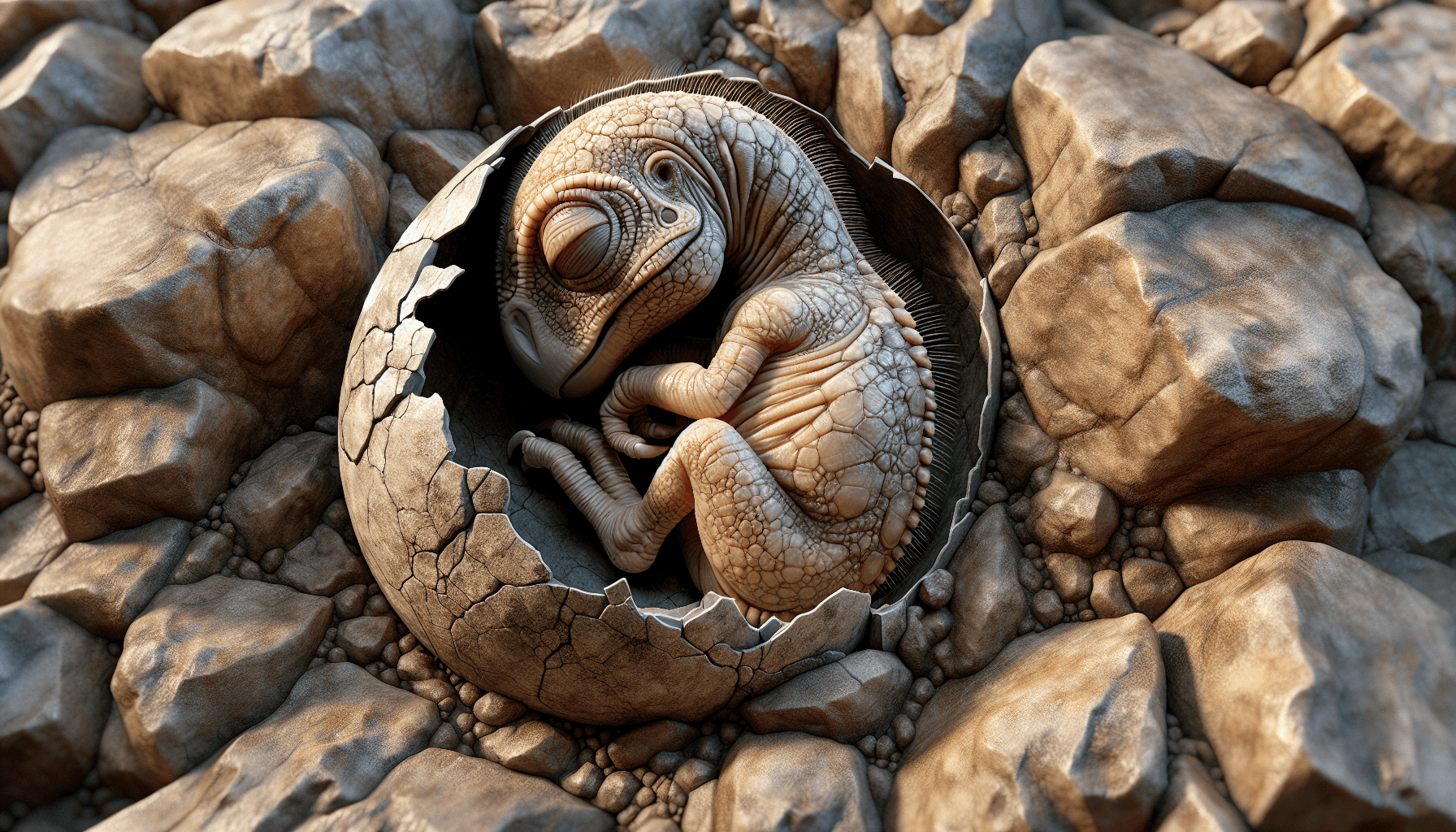
A Prehistoric Cradle: Unearthing the 'Baby Yingliang' Dinosaur Embryo
In a discovery that has captivated the world, paleontologists have unveiled an astonishingly well-preserved baby dinosaur embryo, affectionately nicknamed 'Baby Yingliang'. Found nestled within a fossilized egg, this tiny prehistoric creature offers an unprecedented glimpse into dinosaur development, reinforcing their deep evolutionary ties to modern birds. Its remarkably complete state and endearing, bird-like posture have earned it the moniker of 'surprisingly cute,' making it a global sensation.
The Remarkable Find in Southern China
The fossil was originally unearthed in the Ganzhou area of southern China's Jiangxi Province. While initially stored away for years, its true significance was only recognized recently during the construction of the Yingliang Stone Nature History Museum. Researchers meticulously analyzed the specimen using advanced imaging techniques.
This specimen belongs to an oviraptorosaur, a group of feathered theropod dinosaurs known for their bird-like appearance and nesting behavior. Living approximately 72 to 66 million years ago during the Late Cretaceous period, such a complete embryo discovery is exceedingly rare, offering a unique window into a pivotal moment in dinosaur life.
A Glimpse into Ancient Incubation: Why 'Baby Yingliang' is So Special
What makes 'Baby Yingliang' truly extraordinary is its almost complete skeletal structure, perfectly preserved in a curled position inside the egg. Measuring roughly 27 cm long, the embryo is coiled in a posture previously thought to be unique to birds. Its head is tucked beneath its body, with its feet on either side – a position known as 'tucking' crucial for successful hatching in modern birds.
The Avian Connection: 'Tucking' and Evolutionary Links
The discovery of the 'tucking' posture in a dinosaur embryo provides compelling evidence for the evolutionary link between dinosaurs and birds. This behavior, where a chick positions itself by tucking its head under its right wing shortly before hatching, is vital for breaking the eggshell. Finding this same developmental stage in a dinosaur suggests such complex pre-hatching behaviors evolved much earlier than previously thought.
This fossil serves as a powerful bridge, illustrating how features once considered exclusively avian have deep roots in their dinosaur ancestors. It highlights the gradual acquisition of bird-like traits throughout dinosaur evolution, offering a clearer picture of how these magnificent creatures transitioned into the diverse avian species we see today.
Unlocking Prehistoric Secrets with Modern Science
The study of 'Baby Yingliang' was made possible through non-invasive techniques, primarily CT scanning. These advanced imaging methods allowed paleontologists to visualize intricate details without damaging the fragile fossil. This technological approach is revolutionizing paleontology, enabling scientists to uncover secrets hidden within rock matrices that would otherwise remain inaccessible.
Key Insights from 'Baby Yingliang'
- Provides invaluable data on dinosaur embryology and growth rates.
- Offers direct evidence for the evolutionary link between dinosaurs and birds.
- Reveals pre-hatching behaviors, like 'tucking,' previously thought unique to birds.
- Highlights the power of non-invasive imaging (CT scans) in paleontology.
- Expands our understanding of life cycles during the Late Cretaceous period.
This find underscores the immense potential for future discoveries. As more fossils are unearthed and existing collections are re-examined with modern tools, our understanding of dinosaur biology and evolution continues to expand. 'Baby Yingliang' is not just a cute face; it's a profound scientific treasure, offering a rare and intimate look at life millions of years ago, reminding us that the past still holds countless wonders.