
Unveiling Nature's Architects: How Bacteria Actively Reshape Their Own Cells
Scientists are astounded by a groundbreaking discovery: certain bacteria possess the ability to actively rewrite their genetic instructions, manipulating their cellular machinery to precisely control and alter their own physical shape. This challenges fundamental biological paradigms.
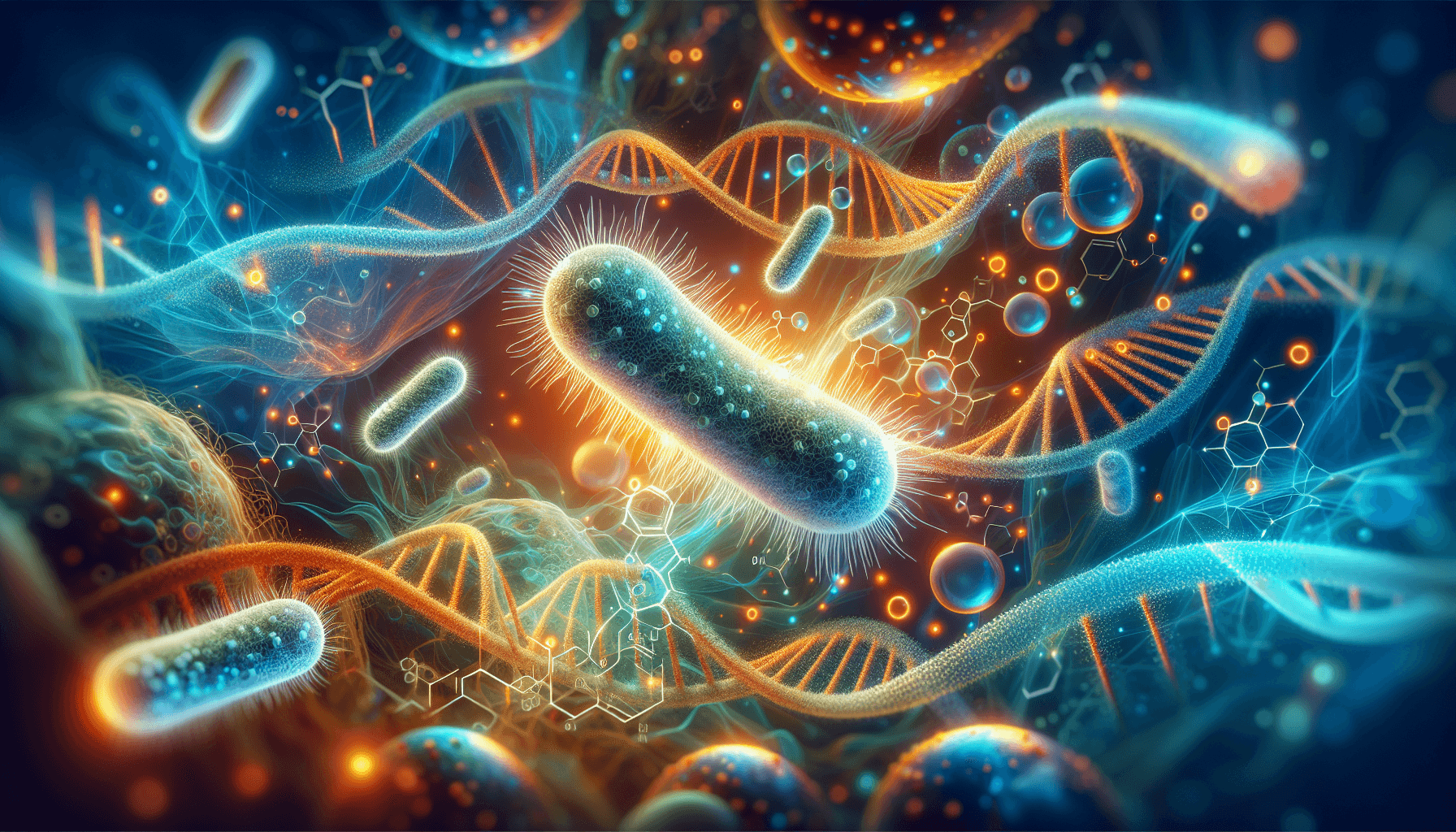
A Paradigm Shift in Microbiology: Bacteria as Cellular Sculptors
In a discovery that has sent ripples of excitement and astonishment through the scientific community, researchers have uncovered a revolutionary ability in certain bacterial species: the capacity to actively reprogram their own genetic machinery to precisely dictate and alter their cellular architecture. This isn't passive evolution or random mutation; it's a sophisticated, controlled manipulation of their internal blueprints, allowing these microscopic organisms to become nature's own cellular architects.
For decades, scientists have understood that bacterial cell shape is largely determined by their genetic makeup and environmental factors. However, this new research reveals an unprecedented level of biological control, suggesting bacteria can initiate a deliberate process to rewire the very DNA instructions that govern their morphology, adapting with astonishing speed and precision.
The Mechanism: Unlocking Genetic Blueprint Control
The groundbreaking study, published in a leading scientific journal, details how specific protein complexes and regulatory RNA molecules within these bacteria act as sophisticated 'genetic sculptors.' These elements don't just respond to environmental cues; they actively engage with the bacterial genome and its expression pathways, influencing the synthesis and assembly of key structural components like the cell wall and internal cytoskeletal elements.
- Targeted Gene Expression: The bacteria initiate specific gene expression cascades that produce proteins designed to remodel existing cellular structures or build new ones.
- Structural Protein Modulation: They can modify the activity or abundance of proteins responsible for maintaining cell rigidity and shape, allowing for dynamic changes.
- Environmental Sensing & Response: While the control is internal, the *trigger* for this reprogramming often comes from specific environmental signals, such as nutrient availability, presence of toxins, or host immune responses.
This intricate dance of molecular components allows a bacterium to transition from, say, a rod-like form to a spherical shape, or even develop complex appendages, all dictated by an internal, self-directed program.
Why Shape Matters: Evolutionary Advantages and Survival
The ability to dynamically alter cell shape confers significant evolutionary advantages, enabling bacteria to thrive in diverse and challenging environments. Researchers hypothesize several key benefits:
- Immune Evasion: Changing shape can make bacteria harder for host immune cells to recognize and engulf, acting as a biological camouflage.
- Biofilm Formation: Specific shapes can optimize the formation and stability of biofilms, critical for survival and resistance against antibiotics.
- Nutrient Acquisition: A modified surface area or unique protrusions might enhance the uptake of scarce nutrients.
- Motility and Adhesion: Altered shapes can improve movement through various media or enhance attachment to surfaces.
This active cellular remodeling represents a potent survival strategy, allowing these organisms to outmaneuver threats and exploit opportunities with remarkable agility.
Implications for Biotechnology and Medicine
The implications of this discovery are profound, extending far beyond fundamental microbiology. Understanding how bacteria actively control their cellular architecture opens up exciting new avenues for:
- Synthetic Biology: Designing bacteria with specific, programmable shapes for targeted drug delivery, bioremediation, or novel material synthesis.
- Antimicrobial Development: Developing new drugs that disrupt these shape-shifting mechanisms, rendering pathogenic bacteria vulnerable.
- Evolutionary Biology: Gaining deeper insights into the adaptive strategies of life at its most fundamental level.
The research team emphasizes that while much remains to be explored, this finding fundamentally alters our perception of bacterial intelligence and adaptability. It underscores the incredible sophistication hidden within the microbial world, pushing the boundaries of what we thought possible in cellular self-regulation.
Looking Ahead: The Future of Self-Shaping Microbes
This groundbreaking work serves as a powerful reminder of the vast, unexplored territories within biology. Future research will undoubtedly focus on identifying more bacterial species with this capability, elucidating the full molecular pathways involved, and exploring how this knowledge can be harnessed for human benefit. The concept of bacteria as active participants in their own cellular design marks a thrilling new chapter in our understanding of life, promising innovative solutions for some of humanity's most pressing challenges.
How this article was made
- Sources
- ScienceDaily
- Generated on:
- Apr 21, 2026
This content is produced by Acerbo.AI's AI editorial pipeline: source gathering, rewriting and imagery are automated. Editorial oversight stays human.
Related Articles
Unlocking Life's Blueprints: How Bacteria Mastermind Their Own Cellular Architecture
A groundbreaking discovery reveals bacteria possess an unprecedented ability to 'rewire' their genetic machinery, actively dictating their own cell shape. This finding challenges fundamental biological understanding and opens doors for revolutionary applications in medicine and biotechnology.
Bacterial Masterminds: Scientists Uncover How Microbes Reprogram Host DNA to Reshape Cells
A groundbreaking discovery reveals bacteria actively rewire host DNA machinery, fundamentally altering cell shape and function. This changes our understanding of microbial interaction and disease.
Beyond the Brink: Scientists Discover Surprising New Mechanism in Cell Death
Groundbreaking research has unveiled an unexpected twist in the intricate process of cell death, challenging long-held biological assumptions and opening new avenues for understanding disease.