
US Government Bleeds $186 Billion Annually: GAO Flags Massive Improper Payments in Medicare, Medicaid & Tax Credits
A new GAO report reveals the U.S. government is set to lose a colossal $186 billion in improper payments for Fiscal Year 2025, primarily from Medicare, Medicaid, and tax credits. This highlights urgent fiscal challenges.
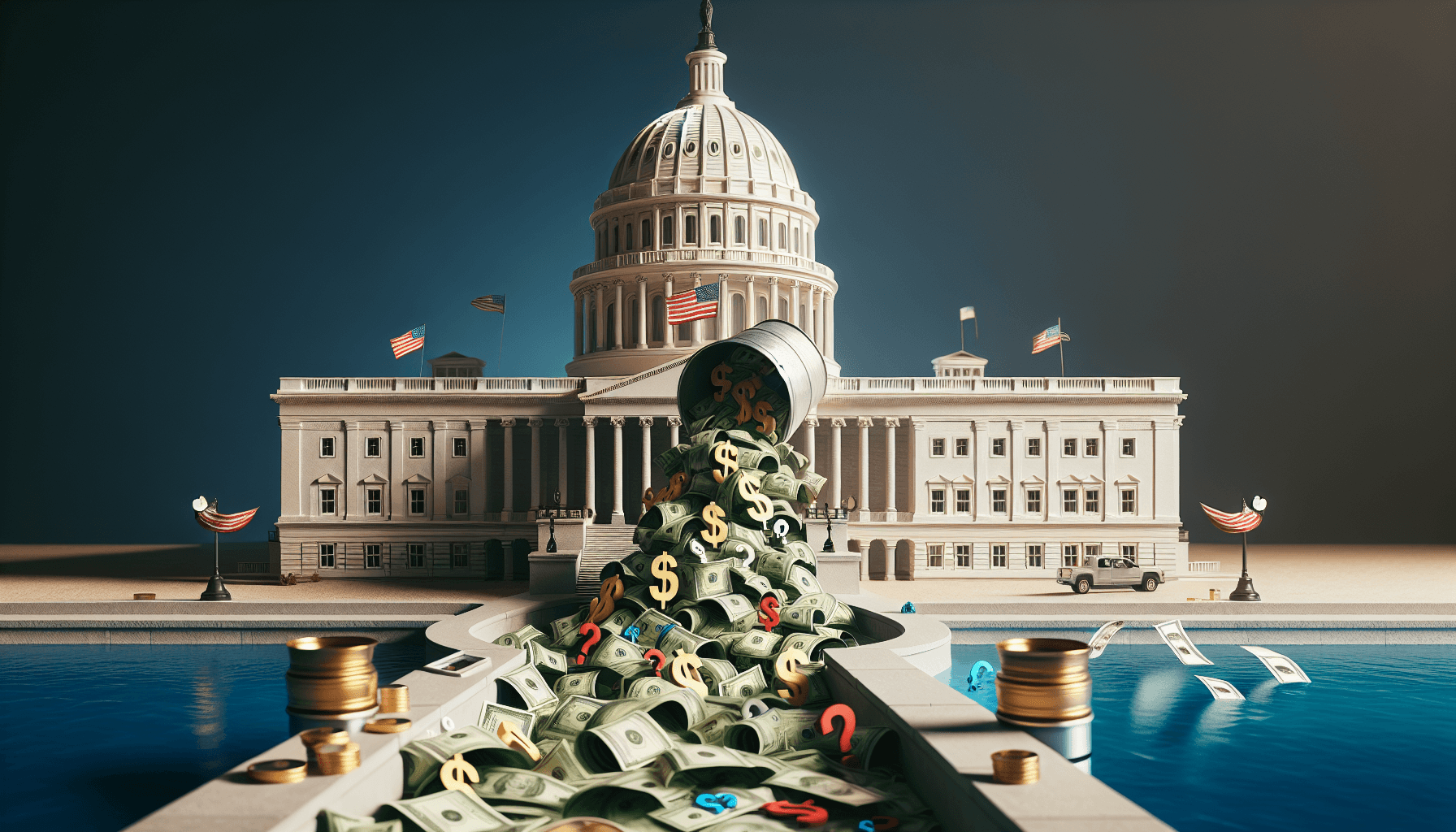
The $186 Billion Leak: Federal Funds Lost to Improper Payments
The United States federal government is grappling with a persistent and alarming financial leak, with a new report from the Government Accountability Office (GAO) revealing an estimated $186 billion in improper payments for Fiscal Year 2025. This staggering sum, equivalent to billions of taxpayer dollars, represents funds disbursed incorrectly across various federal programs, posing a significant challenge to fiscal responsibility and public trust. The bulk of these losses are concentrated in critical social welfare programs like Medicare and Medicaid, alongside essential tax credit initiatives.
Unpacking the Scale of Federal Mismanagement
What exactly constitutes an "improper payment"? The GAO defines it broadly to include any payment that should not have been made or was made in an incorrect amount (either overpayments or underpayments). This encompasses a range of issues, from outright fraud and abuse to administrative errors, insufficient documentation, or payments to ineligible recipients. The sheer scale of $186 billion underscores the systemic vulnerabilities within federal spending mechanisms, impacting everything from healthcare delivery to economic support for families.
Where Billions Are Going Astray: The Key Culprits
The GAO's findings pinpoint specific areas where these improper payments are most prevalent. Understanding these categories is crucial for developing targeted solutions.
- Medicare: As a cornerstone of healthcare for seniors and certain disabled individuals, Medicare is highly complex and processes millions of claims annually. The report indicates significant improper payments stemming from billing errors, medical necessity issues, and provider fraud, draining resources meant for patient care.
- Medicaid: Providing health coverage to low-income individuals, Medicaid is jointly funded by federal and state governments. Its complexity, coupled with varying state regulations and eligibility criteria, makes it susceptible to errors, including payments to ineligible beneficiaries or incorrect service claims.
- Tax Credits: Designed to provide financial relief or incentives, various federal tax credits also contribute substantially to the improper payment total. These can arise from claimants misrepresenting income or eligibility, or administrative errors in processing claims, leading to undeserved refunds or benefits.
The Real Cost: Impact on Taxpayers and Public Trust
Beyond the raw financial figures, the implications of $186 billion in improper payments are far-reaching. For taxpayers, it means their hard-earned money is not being utilized effectively, potentially leading to increased national debt, reduced funding for other vital services, or even the need for future tax hikes. Moreover, such widespread mismanagement erodes public confidence in government efficiency and accountability. When citizens perceive that federal funds are being squandered, it diminishes their trust in institutions designed to serve them.
Charting a Course for Fiscal Responsibility
Addressing this monumental challenge requires a multi-faceted approach. The GAO consistently recommends improvements in data analytics, enhanced oversight mechanisms, and more robust verification processes across federal agencies. Leveraging advanced technology, strengthening program integrity efforts, and streamlining complex regulations could significantly reduce these losses. The focus must be on preventing improper payments before they occur, rather than solely recovering them after the fact.
The $186 billion improper payment projection for Fiscal Year 2025 serves as a stark reminder of the urgent need for comprehensive reforms in federal spending. Ensuring every taxpayer dollar is spent wisely and effectively is not just a matter of financial prudence, but a fundamental pillar of good governance and public service.
How this article was made
- Sources
- Fox Business
- Generated on:
- Apr 30, 2026
This content is produced by Acerbo.AI's AI editorial pipeline: source gathering, rewriting and imagery are automated. Editorial oversight stays human.
Related Articles

US Inflation Jumps to 3.7%, Sending Shockwaves Through Tech Markets
The latest US inflation figures reveal an unexpected rise to 3.7%, sparking renewed concerns among investors and sending ripples of pressure across the technology sector.

Strong Bank Earnings Fail to Sway Markets: Unpacking Wall Street's Indifference
Major banks have reported impressive quarterly earnings, showcasing robust financial health. However, the market's muted reaction suggests deeper concerns about future economic headwinds, interest rate trajectories, and investor sentiment. We delve into the paradox.

Wall Street's AI Revolution: Four Years On, Are Risks Looming Large?
Wall Street's AI-driven bull market nears its four-year mark. While innovation soars, rising concerns over valuations, market concentration, and regulation signal potential headwinds.