
Amazon's Project Kuiper Takes Flight: Satellite Internet Service Poised for 2026 Launch
Amazon is preparing to launch its Project Kuiper satellite internet service later this year, aiming to provide global broadband connectivity and challenge existing providers like Starlink.
The Dawn of Amazon's Space Internet
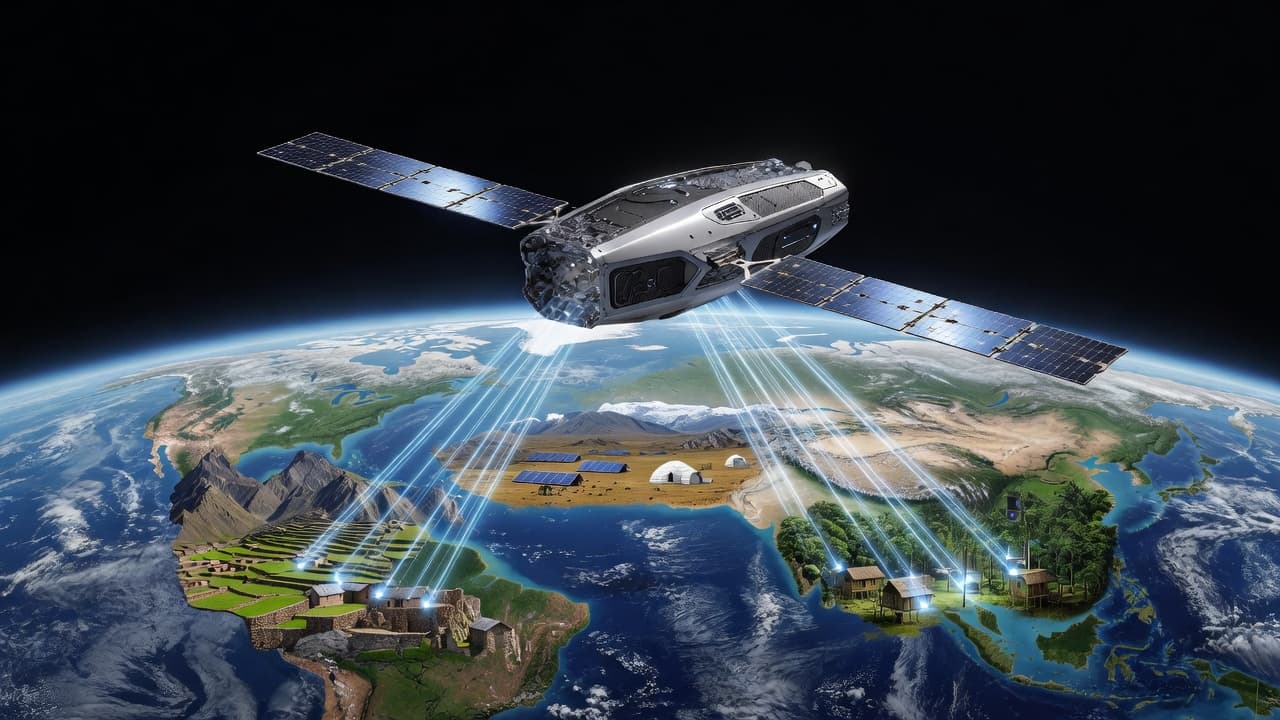
After years of intensive development and substantial investment, Amazon's ambitious Project Kuiper is preparing for its initial rollout later in 2026. This monumental undertaking involves deploying a vast constellation of satellites into low Earth orbit (LEO), designed to beam reliable, high-speed internet directly to consumers and businesses worldwide. The move signifies Amazon's deep commitment to transforming global connectivity, particularly in areas currently lacking robust broadband infrastructure.
The service aims to bridge the pervasive global digital divide, providing essential internet access to remote and underserved communities. This mission aligns seamlessly with Amazon's broader strategy of expanding its technological footprint across various sectors, from e-commerce to cloud computing. The company has committed billions to this venture, underscoring its belief in the transformative power and commercial viability of space-based internet.
Demystifying Project Kuiper's Technology
Project Kuiper leverages a constellation of satellites operating in LEO, a strategic choice that significantly reduces signal latency compared to traditional geostationary satellites. This lower latency is crucial for applications requiring real-time interaction, such as online gaming, video conferencing, and cloud services, promising a user experience comparable to fiber optics.
The network will rely on a sophisticated global ground station infrastructure to connect the orbiting satellites to the internet backbone. Users will access the service through compact, affordable customer terminals, which Amazon has been meticulously developing to ensure ease of installation and widespread adoption across diverse geographical settings.
Navigating a Crowded Celestial Highway
Amazon's entry intensifies the competition in the rapidly expanding LEO satellite internet sector. The market is currently dominated by SpaceX's Starlink, with other significant players like OneWeb also making considerable strides. Each contender brings its unique strengths and strategic focus to the table:
- Starlink: Pioneered the consumer LEO market, offering widespread coverage and a rapidly growing subscriber base.
- OneWeb: Initially focused on providing connectivity solutions for enterprise, government, and aviation sectors.
- Project Kuiper: Leverages Amazon's vast cloud infrastructure (AWS) and unparalleled logistics capabilities, potentially offering seamless integration with other Amazon services.
Analysts widely predict that Amazon's immense financial might, coupled with its extensive existing customer base and global operational reach, could enable Kuiper to rapidly scale and carve out a significant market share. This increased competition is expected to drive down costs and foster innovation, ultimately improving service quality across the entire industry.
Amazon's Ecosystem Advantage
One of Kuiper's most compelling potential differentiators is its deep integration with Amazon's formidable technological and commercial ecosystem. Imagine a future where Kuiper provides the critical backbone for AWS cloud services in remote regions, or enables advanced drone deliveries and last-mile logistics in areas without terrestrial internet infrastructure. This inherent synergy could offer unique value propositions that competitors may find challenging to replicate.
Furthermore, Amazon's unparalleled expertise in manufacturing at scale and its robust global supply chain could give it a significant edge in efficiently producing and distributing millions of user terminals. This capability could accelerate the deployment process and ensure quicker market penetration for Project Kuiper.
The Road Ahead: A Phased Global Rollout
The initial rollout of Project Kuiper later this year will likely target specific regions, with a carefully planned, phased expansion designed to achieve comprehensive global coverage over time. Amazon has already secured numerous launch agreements with leading providers, including ULA, Arianespace, and its own Blue Origin, ensuring the necessary capacity to deploy its thousands-strong satellite constellation.
As Kuiper becomes fully operational, it is expected to not only serve individual consumers seeking reliable broadband but also provide crucial backhaul solutions for mobile network operators and support various government initiatives, further solidifying its role as a critical piece of the future global internet infrastructure.
The launch of Project Kuiper marks a pivotal moment in the evolution of global connectivity. Amazon's ambitious foray into space internet promises to deliver high-speed broadband to the farthest corners of the Earth, fostering innovation, bridging digital divides, and reshaping the competitive landscape of the telecommunications industry for years to come.
How this article was made
- Sources
- Reuters
- Generated on:
- Jul 3, 2026
This content is produced by Acerbo.AI's AI editorial pipeline: source gathering, rewriting and imagery are automated. Editorial oversight stays human.
Related Articles
Beyond Earth: Google's Project Suncatcher Launches AI Chips for Future Orbital Data Centers
Google's Project Suncatcher is testing its advanced Trillium AI chips in orbit, exploring the feasibility of space-based data centers for groundbreaking cloud computing capabilities.

SpaceX Rockets Past Amazon in Market Cap: A New Era of Space Dominance Begins
SpaceX has made history, soaring past Amazon in market capitalization after a groundbreaking IPO. This monumental shift signals a new era for space exploration and global tech investment.

Amazon Unleashes Advanced Alexa+ on the Web, Escalating the Global AI Battle
Amazon's enhanced Alexa+ is now accessible directly via web browsers, marking a pivotal moment in the escalating global competition for AI dominance and digital assistant innovation.