
Apple's MacBook Neo: Ushering in an Era of User-Repairable Laptops
Apple has launched the MacBook Neo, a groundbreaking laptop designed for unprecedented repairability. This move signals a significant shift towards sustainable tech, empowering users and reducing e-waste.
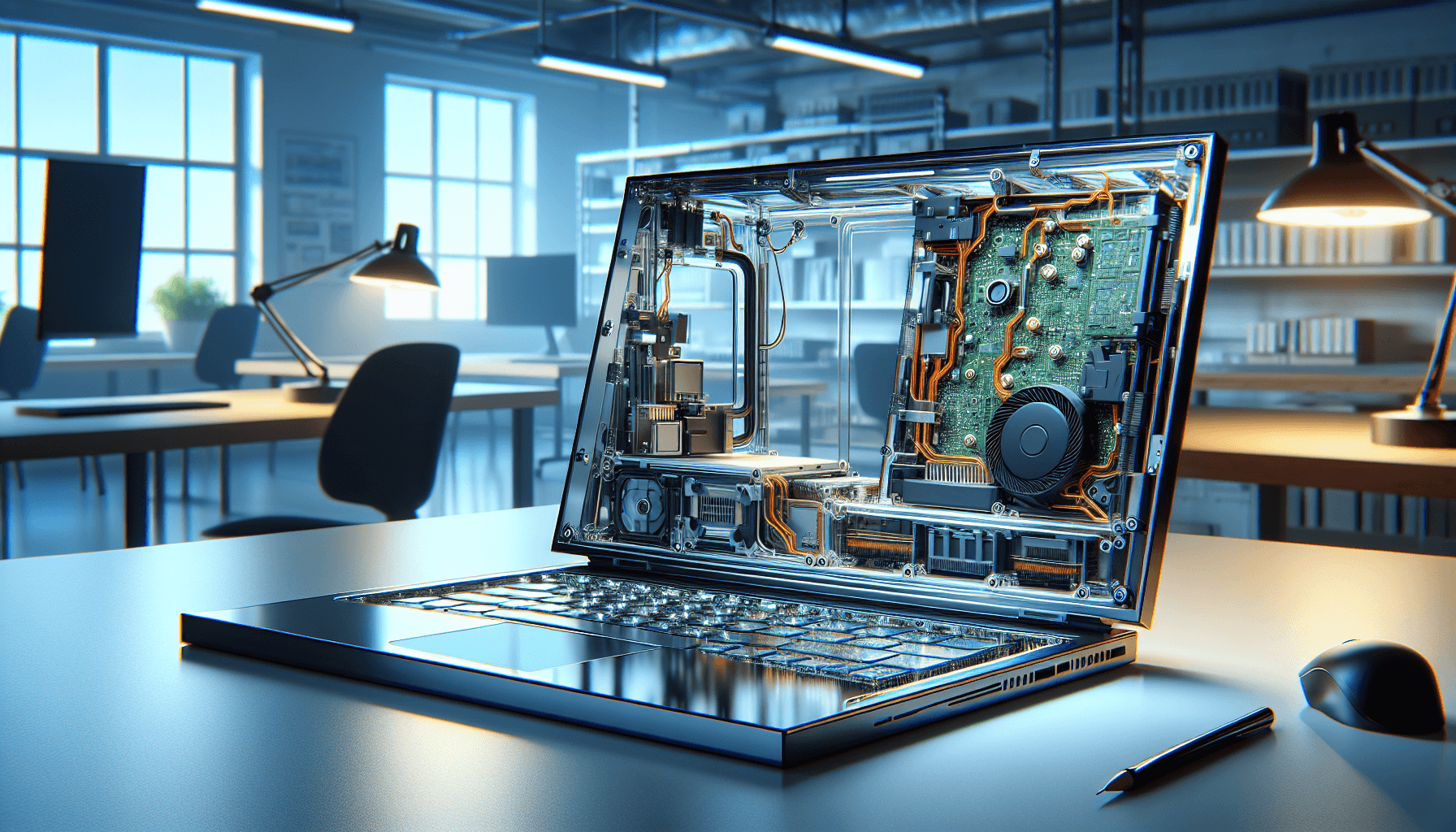
In a significant pivot that has captured the attention of tech enthusiasts and environmental advocates alike, Apple has officially unveiled the MacBook Neo, a new laptop heralded as the most repairable MacBook in years. This launch marks a notable departure from the company's long-standing design philosophy, which often prioritized sleek aesthetics and proprietary components over user accessibility for repairs.
Apple's Bold New Direction: Embracing Repairability
For years, Apple products, while admired for their premium build and performance, have faced criticism for their challenging repairability. Components were often glued or soldered, making even basic fixes difficult and expensive, pushing users towards official Apple service or device replacement. The MacBook Neo, however, appears to signal a change in this paradigm, offering a design that facilitates easier access and component replacement.
Redefining User Empowerment
The core innovation of the MacBook Neo lies in its commitment to user empowerment. While specific technical details are still emerging, initial reports suggest a more modular internal architecture. This could mean:
- Easier access to commonly replaced components like batteries and displays.
- Potentially more standardized fasteners instead of proprietary screws.
- A design philosophy that considers the full lifecycle of the device, not just its initial purchase.
This shift is particularly welcome by the growing global "Right to Repair" movement, which advocates for consumers' ability to fix their own electronics or choose independent repair providers without undue obstacles.
Sustainability at the Forefront
The move towards enhanced repairability also aligns with Apple's broader environmental goals. Tech companies are increasingly under pressure to reduce their ecological footprint, and making devices last longer through repair is a crucial step.
Reducing E-Waste, Extending Lifespan
By making the MacBook Neo more straightforward to repair, Apple contributes directly to reducing electronic waste (e-waste). When users can repair their devices, they are less likely to discard them prematurely, thereby extending the product's lifespan and lessening demand for new raw materials.
This initiative could set a new industry standard, encouraging other manufacturers to reconsider their design choices and prioritize longevity and sustainability. It's a win-win: consumers benefit from more durable and cost-effective devices, and the planet benefits from less waste.
What This Means for MacBook Users and the Industry
The introduction of the MacBook Neo could have far-reaching implications for both Apple's loyal customer base and the wider technology industry. Users can anticipate potential cost savings over the lifespan of their device, as routine maintenance and component upgrades become more manageable.
A Glimpse into the Future of Tech Design
Beyond the immediate benefits, the MacBook Neo represents a significant cultural shift for Apple. It demonstrates a willingness to adapt to consumer demands and environmental responsibilities, potentially influencing future product lines across the company's ecosystem.
This strategic move could also spark a renewed focus on repairability across the entire laptop market, pushing competitors to innovate in similar ways. The message is clear: performance and aesthetics no longer need to come at the expense of sustainability and user serviceability.
The MacBook Neo stands as a testament to Apple's evolving vision, blending cutting-edge technology with a renewed commitment to repairability and environmental stewardship. This highly anticipated laptop not only promises the premium experience users expect from an Apple device but also champions a future where technology is built to last, empowering users to maintain and extend the life of their prized possessions.
How this article was made
- Sources
- TechCrunch
- Generated on:
- Mar 16, 2026
This content is produced by Acerbo.AI's AI editorial pipeline: source gathering, rewriting and imagery are automated. Editorial oversight stays human.
Related Articles
Apple's March 2026 Event: Unveiling Next-Gen MacBooks, Processors, and Studio Displays
Apple's highly anticipated March event delivered a powerhouse lineup, showcasing revolutionary new MacBooks, cutting-edge M-series processors, and the stunningly redesigned Studio Display. Discover the future of performance and visual excellence.
Apple's Premium Pinch: MacBooks & iPads See Price Hikes Amid Chip Crunch and AI Frenzy
Apple raises prices for its popular MacBooks and iPads, citing a persistent memory chip shortage exacerbated by the booming demand for AI technologies, impacting consumer tech globally.

Apple's Next Chapter: John Ternus Ascends to CEO, Tim Cook Becomes Executive Chairman
A significant leadership transition is set for Apple on September 1st as John Ternus, SVP of Hardware Engineering, steps into the CEO role. Tim Cook, after 15 transformative years, will transition to Executive Chairman, marking a new era for the tech giant.