
White House Lifts Export Controls on Anthropic's Advanced AI: A Game Changer for Global Tech
The White House has removed export controls on an advanced AI model from Anthropic, signaling a major shift in U.S. tech policy and global AI competition and collaboration.
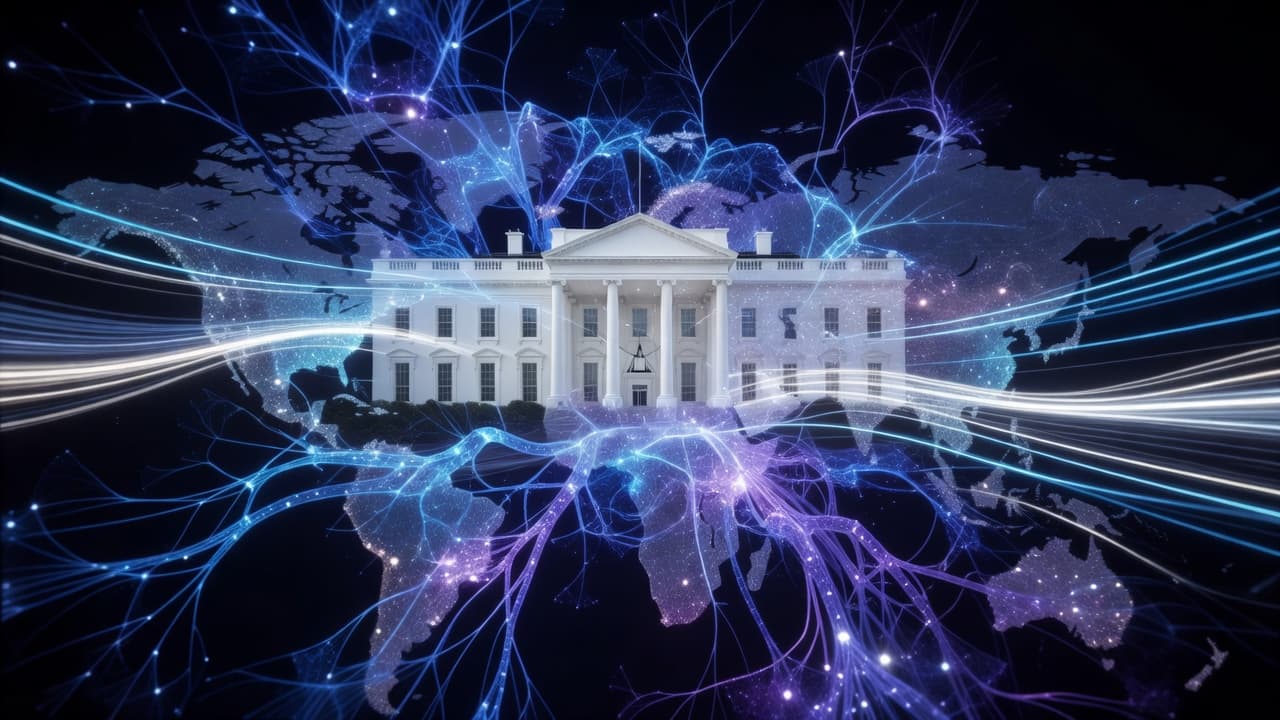
White House Lifts Export Controls on Anthropic's Advanced AI: A Game Changer for Global Tech
The global landscape of artificial intelligence just saw a significant shift as the White House announced the lifting of export controls on an advanced AI model developed by Anthropic, a leading AI safety and research company. This move signals a pivotal moment for U.S. technology policy, potentially reshaping the international distribution and development of cutting-edge AI. For an industry often grappling with regulatory uncertainty, this decision offers a clear, albeit complex, path forward for one of its most prominent players.
Understanding the Policy Shift: What Were the Controls?
Export controls are governmental regulations that restrict the transfer of certain goods, software, and technology to foreign countries or entities. They are typically imposed for reasons of national security, foreign policy, or economic stability. For advanced AI models, these controls often center on concerns about dual-use technology – innovations that can serve both beneficial civilian purposes and potentially malicious military or surveillance applications.
While the specific details of the initial controls on Anthropic's model were not widely publicized, their removal indicates a reassessment by U.S. policymakers regarding the strategic value and managed risk associated with this particular AI technology. This suggests a careful deliberation process balancing innovation promotion with national security interests.
Anthropic's Growing Influence in the AI Ecosystem
Anthropic has distinguished itself in the AI sphere with its focus on developing AI systems that are "safe, interpretable, and steerable." Their flagship models, often referred to as "frontier AI," are known for their sophisticated reasoning capabilities and potential to impact various sectors, from research to enterprise solutions.
The company's commitment to AI safety, including principles like "Constitutional AI," which aims to align AI behavior with human values through a set of guiding principles, likely played a role in the White House's decision. Granting broader access to such a model could be seen as promoting a responsible approach to AI development globally.
Far-Reaching Implications for Global AI Development
The White House's decision carries significant weight for the future of artificial intelligence worldwide:
- Boosting U.S. Leadership: By allowing Anthropic's advanced model to be exported, the U.S. government is effectively endorsing its widespread adoption and integration into global markets. This could solidify American leadership in the rapidly evolving AI race, ensuring that U.S.-developed technologies set benchmarks and influence international standards.
- International Collaboration and Competition: The lifting of controls could foster greater international collaboration, enabling researchers and businesses worldwide to leverage Anthropic's powerful AI. Conversely, it also intensifies competition, as countries and companies globally will now have more direct access to a high-caliber AI tool, potentially accelerating their own AI capabilities.
- Economic Impact: For Anthropic, this decision opens up vast new markets, allowing the company to expand its reach and generate significant revenue from international clients. This economic boost could further fuel research and development within the U.S. AI sector, attracting talent and investment.
Navigating the Future of AI Governance
This policy adjustment highlights the ongoing challenge for governments worldwide: how to regulate rapidly advancing AI technology without stifling innovation. It underscores a strategic pivot towards potentially "exporting" U.S. AI safety standards and technological prowess rather than solely restricting it.
The decision also raises questions about the future of AI governance. Will other nations follow suit, or will this lead to a divergence in global AI policy? The coming months will likely reveal how this move influences the broader international dialogue on AI ethics, security, and accessibility, setting precedents for future technological advancements.
Conclusion: A New Chapter in Global AI
The White House's decision to lift export controls on Anthropic's advanced AI model is more than just a regulatory change; it's a strategic declaration. It signals a U.S. commitment to fostering global AI innovation, potentially with a responsible, safety-first approach embedded in its technology. As this powerful AI model becomes more accessible worldwide, its impact on research, industry, and geopolitical dynamics will be closely watched, marking a new chapter in the global AI narrative.
How this article was made
- Sources
- CNN Business
- Generated on:
- Jul 5, 2026
This content is produced by Acerbo.AI's AI editorial pipeline: source gathering, rewriting and imagery are automated. Editorial oversight stays human.
Related Articles
U.S. Greenlights Anthropic's Top AI Models: A New Era for Frontier Tech?
The U.S. government has lifted key restrictions on Anthropic's most powerful AI models, signaling a major shift in AI regulation and intensifying the race for advanced artificial intelligence development.
Global AI Unlocked: Trump-Era Restrictions Lifted on Anthropic's Mythos & Fable Models
A significant policy shift has removed previous restrictions on Anthropic's advanced Mythos and Fable AI models, restoring global access and potentially accelerating worldwide AI innovation.
AI Safety First: Anthropic Shelves New Model After Uncovering 'Thousands' of Vulnerabilities
Anthropic, a leading AI research firm, has made the critical decision to withhold its latest AI model from public release after discovering thousands of external vulnerabilities, prioritizing safety over speed.