
Apple's Premium Pinch: MacBooks & iPads See Price Hikes Amid Chip Crunch and AI Frenzy
Apple raises prices for its popular MacBooks and iPads, citing a persistent memory chip shortage exacerbated by the booming demand for AI technologies, impacting consumer tech globally.
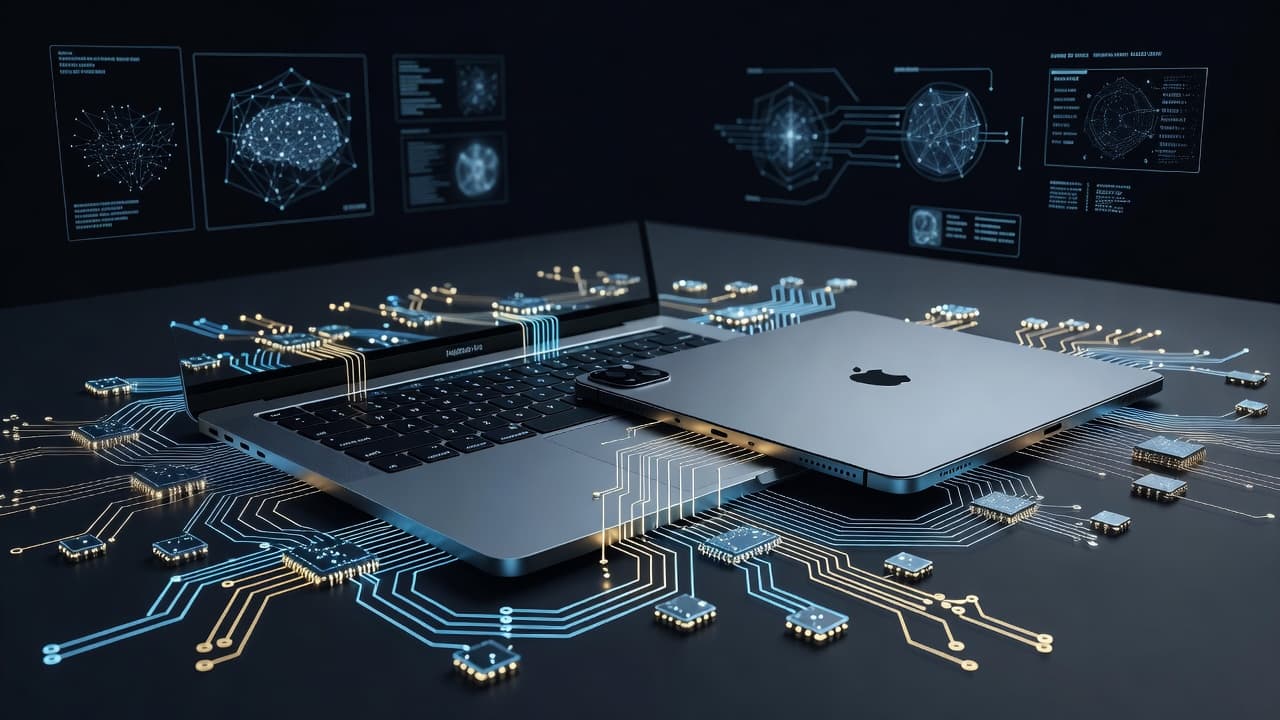
Apple Adjusts Prices: A Response to Global Chip Scarcity
In a move set to impact consumers globally, tech giant Apple has reportedly increased the prices of its beloved MacBook and iPad lineups. The adjustments come as the company grapples with a persistent worldwide shortage of crucial memory chips, a situation further complicated and intensified by the burgeoning artificial intelligence (AI) industry.
This development highlights not only the intricate challenges facing the global supply chain but also the ripple effects of the AI revolution on the broader consumer electronics market, making premium devices even more of a considered purchase.
The Premium Price Tag Just Got Pricier
For many, Apple products represent a significant investment, synonymous with quality, innovative design, and cutting-edge technology. The recent price revisions mean that acquiring a new MacBook or iPad will now demand an even larger outlay from consumers.
While specific percentage increases vary and are not uniformly detailed across all models, the underlying message is clear: the cost of manufacturing these sophisticated devices has risen, and Apple is passing a portion of that burden onto its customers. This strategy allows Apple to maintain its profit margins amidst rising input costs, but it inevitably tightens the wallets of eager consumers worldwide.
Unpacking the Memory Chip Deficit
At the heart of Apple's decision lies a critical bottleneck: the global scarcity of memory chips. These tiny, yet powerful, components are the bedrock of modern computing, essential for everything from processing data to running complex applications smoothly and efficiently.
The semiconductor industry has been navigating a challenging period for several years, marked by production disruptions, geopolitical tensions, and an unprecedented surge in demand across various sectors. Manufacturers are struggling to keep pace, leading to extended lead times and escalating costs for these vital components, directly impacting major electronics companies like Apple.
The AI Boom: A Double-Edged Sword for Supply
Adding another layer of complexity to the existing chip shortage is the explosive growth of artificial intelligence. The rapid development and deployment of AI models – from large language models to advanced image processing and machine learning algorithms – require immense computational power.
This power is heavily reliant on high-bandwidth, high-capacity memory chips, which are now in higher demand than ever before. Data centers, research institutions, and other tech companies are fiercely competing for these specialized chips to fuel their AI initiatives, inadvertently siphoning supply away from other segments of the electronics market, including consumer devices like MacBooks and iPads.
Impact on Consumers and the Broader Tech Landscape
For consumers, the immediate impact is financial. Those planning to upgrade their Apple devices might find themselves reconsidering their budgets or exploring alternative options in a competitive market. The price hike could also influence purchasing decisions in regions where Apple already commands a significant premium, potentially shifting market dynamics.
Beyond individual purchases, this situation underscores the interconnectedness of the global tech ecosystem. A shortage in one critical component, amplified by a booming new technology, can send ripples across entire product categories and supply chains, affecting everything from smartphones to servers. It also prompts critical questions about diversification of suppliers and long-term strategies for chip independence for major tech players.
Apple's decision to raise prices on MacBooks and iPads is a direct consequence of the dual pressures of a persistent memory chip shortage and the insatiable demand fueled by the AI revolution. While it ensures Apple's profitability in a challenging environment, it places a greater financial burden on consumers.
As the tech industry continues to evolve, the dynamics between supply, demand, and emerging technologies will undoubtedly shape future pricing strategies and product availability, making the resilience of global supply chains more critical than ever in an increasingly digital world.
How this article was made
- Sources
- CNN Business
- Generated on:
- Jul 2, 2026
This content is produced by Acerbo.AI's AI editorial pipeline: source gathering, rewriting and imagery are automated. Editorial oversight stays human.
Related Articles
Nvidia Implements Over 15% Price Hikes for AI Customers Amidst Surging Demand
Nvidia is reportedly increasing prices by more than 15% for its AI-related products and services, impacting customers as demand for high-performance computing soars.

Apple's March 2026 Event: Unveiling Next-Gen MacBooks, Processors, and Studio Displays
Apple's highly anticipated March event delivered a powerhouse lineup, showcasing revolutionary new MacBooks, cutting-edge M-series processors, and the stunningly redesigned Studio Display. Discover the future of performance and visual excellence.

Apple Unleashes Legal Storm on OpenAI, Alleges Trade Secret Theft in AI Hardware Race
A seismic shift rocks the tech world as Apple files a lawsuit against OpenAI, accusing the ChatGPT maker of stealing trade secrets. This legal battle marks a dramatic rupture in their previous collaboration, signaling an intensifying fight for dominance in the burgeoning AI consumer hardware market.