
Federal Reserve's Beige Book Reveals Intensifying Inflation Across US Economy
The latest Federal Reserve Beige Book indicates a broad escalation of inflationary pressures across most U.S. districts, signaling persistent economic challenges.

Inflation's Grip Tightens: Fed's Beige Book Sounds Alarm
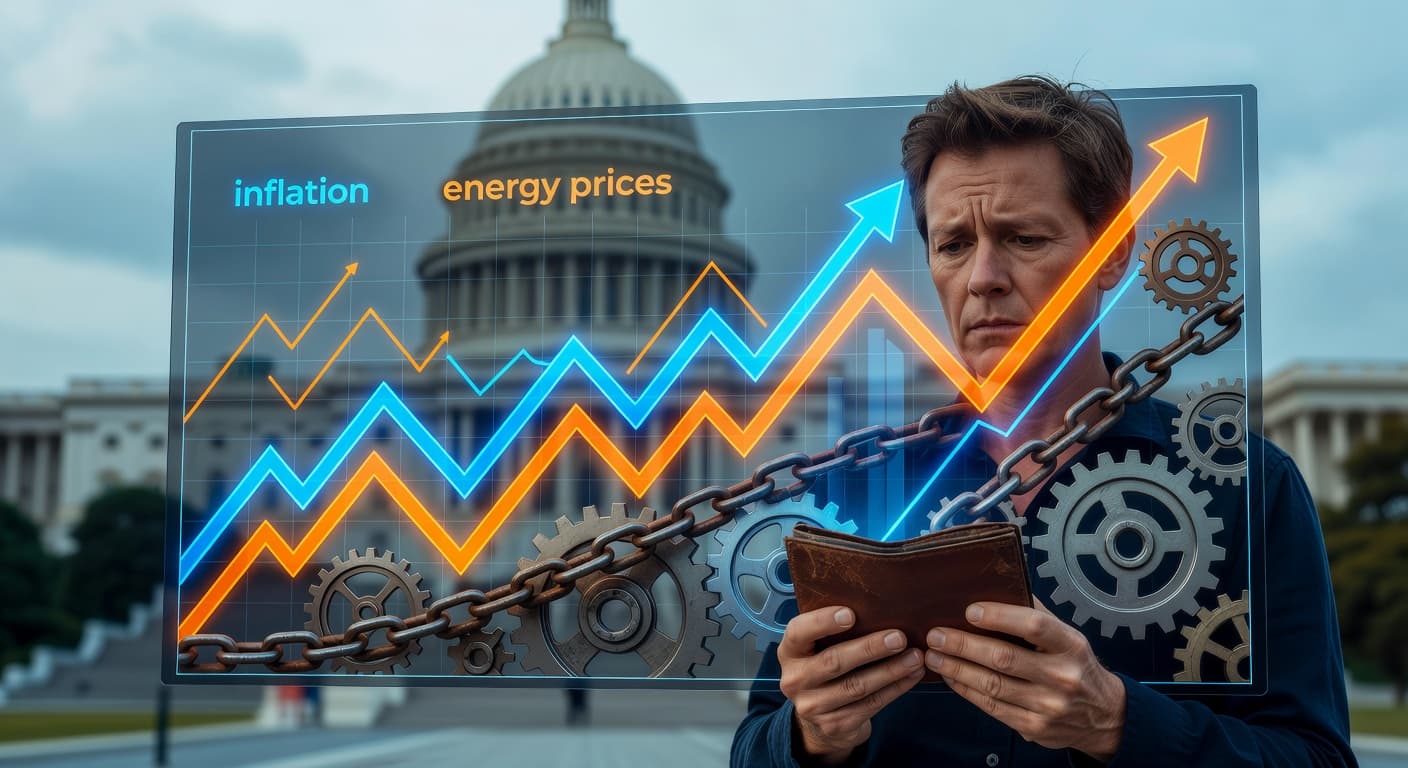
The latest qualitative report from the Federal Reserve, commonly known as the Beige Book, has painted a clear, if concerning, picture of the U.S. economy. According to the comprehensive summary of economic conditions, inflationary pressures are not merely present but are intensifying across nearly all twelve Federal Reserve districts. This crucial barometer of economic health signals widespread price escalations that are likely to influence future monetary policy decisions.
For an international audience, understanding the nuances of U.S. economic data is vital, as developments in the world's largest economy often create ripple effects globally. The Beige Book provides a unique, anecdotal perspective, gathered directly from businesses and contacts on the ground, offering insights beyond mere statistics.
What is the Federal Reserve's Beige Book?
Published eight times a year, approximately two weeks before each Federal Open Market Committee (FOMC) meeting, the Beige Book is a summary of current economic conditions in each of the twelve Federal Reserve Districts. Each District Reserve Bank gathers information on current economic conditions in its District through reports from Bank and Branch directors and interviews with key business contacts, economists, market experts, and other sources.
This report is a vital tool for policymakers, offering a qualitative, 'boots on the ground' view of economic activity, labor markets, manufacturing, services, and, significantly, pricing pressures. It complements quantitative data, providing a richer context for the Fed's understanding of the economy.
Widespread Inflationary Pressures Take Hold
The central takeaway from the most recent Beige Book is the pervasive nature of rising prices. Businesses across various sectors are reporting higher input costs, from raw materials and energy to transportation and logistics. These increased operational expenses are, in turn, being passed on to consumers, leading to elevated prices for a broad range of goods and services.
- Consumer Goods: Households are facing steeper bills for everyday necessities.
- Services Sector: Hospitality, healthcare, and other service industries are also experiencing upward price adjustments.
- Input Costs: Manufacturers and producers cite rising costs for components and energy as major drivers.
The report underscores that these price hikes are not isolated incidents but rather a systemic trend, suggesting that the fight against inflation remains an uphill battle for policymakers.
Driving Factors Behind Rising Costs
Several factors appear to be contributing to the intensifying inflationary environment highlighted by the Beige Book:
- Tight Labor Markets: Many districts reported persistent challenges in finding and retaining skilled workers, leading to upward wage pressures. Businesses are often compelled to offer higher compensation to attract talent, which then feeds into their overall cost structure.
- Supply Chain Disruptions: While some improvements have been noted in certain areas, lingering supply chain bottlenecks continue to create inefficiencies and elevate costs for businesses. Global events and geopolitical tensions also add to this complexity.
- Robust Demand: In some sectors, strong consumer demand has allowed businesses to maintain pricing power, enabling them to pass on higher costs without significant loss of sales volume.
Implications for Monetary Policy
The Federal Reserve's dual mandate is to achieve maximum employment and stable prices. With inflation pressures intensifying, the Beige Book's findings will undoubtedly weigh heavily on the FOMC's upcoming deliberations. This persistent inflation data strengthens the case for the Fed to maintain a vigilant stance on monetary policy, potentially signaling a need for continued restrictive measures or at least a cautious approach to any easing.
Policymakers face a delicate balancing act: curbing inflation without triggering an undue slowdown in economic growth. The Beige Book serves as a stark reminder of the challenges ahead in achieving this 'soft landing'.
Global Economic Ripple Effects
For an international audience, the intensifying inflation in the U.S. carries significant implications. A Federal Reserve that is compelled to maintain higher interest rates to combat domestic inflation can lead to a stronger U.S. dollar. This, in turn, can make U.S. exports more expensive, impact commodity prices (often denominated in dollars), and create financial stress for countries with dollar-denominated debt.
Furthermore, persistent inflation in a major economy like the U.S. can contribute to global inflationary pressures, affecting trade partners and international supply chains. Monitoring the Fed's response to these domestic challenges is therefore crucial for global economic stability.
Outlook: A Persistent Challenge
The latest Federal Reserve Beige Book unequivocally highlights that inflation remains a significant and intensifying challenge for the U.S. economy. The widespread nature of price pressures, driven by a combination of labor market tightness, supply chain issues, and robust demand, underscores the complexity of the current economic environment. As policymakers grapple with these findings, businesses and consumers both domestically and internationally will be keenly watching for how these pressures evolve and what strategic steps the Federal Reserve will take next to steer the economy towards price stability.
How this article was made
- Sources
- Fox Business
- Generated on:
- Jun 4, 2026
This content is produced by Acerbo.AI's AI editorial pipeline: source gathering, rewriting and imagery are automated. Editorial oversight stays human.
Related Articles

Federal Reserve Beige Book: Geopolitical Tensions Fuel Widespread Inflation
The Federal Reserve's latest Beige Book report indicates that inflationary pressures are mounting across most U.S. districts, largely fueled by rising energy costs attributed to ongoing geopolitical conflicts in the Middle East. This signals a challenging economic outlook.
US Inflation Heats Up: April PCE Data Signals Persistent Price Pressures Amid Energy Volatility
April's Personal Consumption Expenditures (PCE) data reveals US inflation remains stubbornly high, driven by energy shocks. This puts the Federal Reserve under pressure for policy responses.

Global Inflation Surges to 3.8%: Highest Peak Since 2023 Signals Renewed Economic Pressure
Inflation hits 3.8%, reaching its highest point since 2023, signaling renewed economic pressures and challenging central banks worldwide.