
Robot Pizza Dream Derailed: Why Picnic, the Automation Innovator, Closed Its Doors
Pioneering robot pizza startup Picnic has ceased operations, selling off its assets to an undisclosed buyer. This marks a significant moment for the food automation sector, raising questions about the future of automated kitchens.
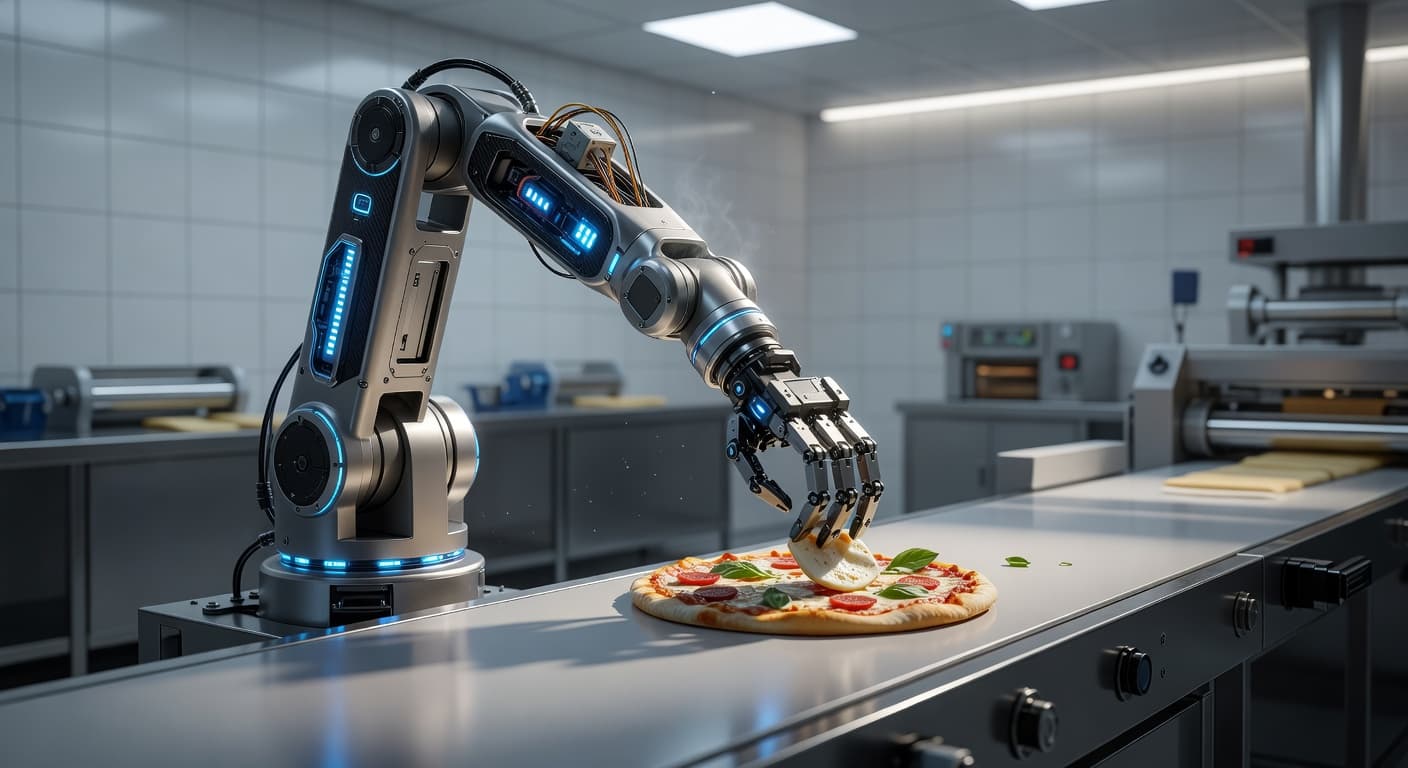
Robot Pizza Dream Derailed: Picnic Shuts Down Operations
In a significant development for the food technology sector, Picnic, the innovative startup behind robot-powered pizza assembly, has officially ceased operations. The company, which aimed to revolutionize commercial kitchens with automated solutions, confirmed it has sold all its assets to an undisclosed buyer. This closure marks the end of a high-profile venture and prompts a closer look at challenges within the burgeoning field of food automation.
Picnic had gained considerable attention for its modular robotic system, designed to top pizzas with speed and and precision. Its promise was increased efficiency and consistency for restaurants and food service providers, representing a bold step towards integrating advanced robotics into everyday culinary processes.
A Vision for Automated Culinary Precision
Founded with the ambitious goal of automating one of the world's most popular fast-food items, Picnic envisioned a future where kitchens could produce high volumes of food with minimal human intervention. Their system was designed not just for pizza but as a flexible platform, potentially adaptable to various food preparation tasks.
The core appeal of Picnic's offering was its ability to integrate seamlessly into existing kitchen layouts. This provided a scalable solution for the food industry, which constantly battles labor shortages and the pressure to optimize operational costs.
- Enhanced Efficiency: Robotic systems could operate continuously, reducing preparation times.
- Consistent Product Quality: Precision topping ensured adherence to exact recipe standards.
- Labor Augmentation: Aimed to reallocate human staff to more complex roles or customer service.
The Undisclosed Reasons and Mystery Asset Sale
While official reasons for Picnic's sudden closure remain unstated, the decision to shut down and liquidate assets often signals significant operational or financial hurdles. Startups in the hardware and robotics space frequently encounter immense challenges, including high development costs, complex manufacturing, and difficulties scaling in a competitive market.
The sale of assets to a "mystery buyer" adds an intriguing layer. This suggests that while Picnic as a corporate entity is no more, its innovative technology, intellectual property, or even prototypes might continue under new ownership. Such strategic acquisitions are common in tech, where valuable advancements are repurposed by larger companies.
Navigating the Complexities of Food Tech Innovation
Picnic's journey highlights the inherent risks and rewards within the food technology landscape. Automating food preparation involves more than just technical prowess; it requires intricate considerations of food safety, ingredient handling, human-robot interaction, and broader consumer acceptance. The industry is still nascent, with pioneers often learning through costly trial and error.
Key factors impacting success include:
- Capital Intensity: Robotics demand substantial investment in R&D and production.
- Market Adoption Pace: Convincing traditional businesses to embrace expensive new technologies can be slow.
- Scalability Challenges: Transitioning from prototype to widespread deployment is monumental.
The closure of Picnic serves as a poignant reminder that even the most innovative ideas require a robust business model, sufficient funding, and a clear, sustainable path to market to thrive long-term.
Future Outlook for Food Automation
Despite Picnic's unfortunate demise, the broader trend towards food automation is unlikely to wane. Persistent labor shortages, escalating operational costs, and the continuous demand for efficiency will continue to fuel innovation in the sector. Numerous other companies are actively developing robotic solutions for diverse kitchen tasks.
The insights gained from Picnic's experience will undoubtedly inform future ventures. They underscore the critical importance of sustainable business models, strategic partnerships, and a deep, practical understanding of commercial kitchen environments. While one robot pizza dream has ended, the overarching quest for a more automated and efficient food industry presses on, albeit with renewed caution and strategic foresight.
How this article was made
- Sources
- GeekWire
- Generated on:
- May 25, 2026
This content is produced by Acerbo.AI's AI editorial pipeline: source gathering, rewriting and imagery are automated. Editorial oversight stays human.
Related Articles
Automated Dreams Derailed: Robot Pizza Startup Picnic Shuts Down and Sells Assets
The ambitious robot pizza startup, Picnic, has ceased operations, selling its assets to an undisclosed buyer. This marks a significant moment for the food automation sector, raising questions about the viability and challenges facing innovative food tech ventures.
Robot Pizza Dream Crumbles: Startup Picnic Shuts Down After Asset Sale
Seattle-based robot pizza startup Picnic has ceased operations, selling its innovative food automation assets to an undisclosed buyer, marking a significant moment in the evolving food tech landscape.
Humanoid Robots Are Marching Onto Factory Floors, Reshaping Manufacturing
Physical AI is bringing humanoid robots closer to industrial deployment, with companies actively testing these versatile machines on factory floors to revolutionize manufacturing and logistics.