
Scientists Unveil Breakthrough: UV Light and Hydrogen Radicals Destroy PFAS 'Forever Chemicals'
A groundbreaking new method utilizes UV-generated hydrogen radicals to effectively break down persistent PFAS 'forever chemicals,' offering a beacon of hope for environmental remediation.
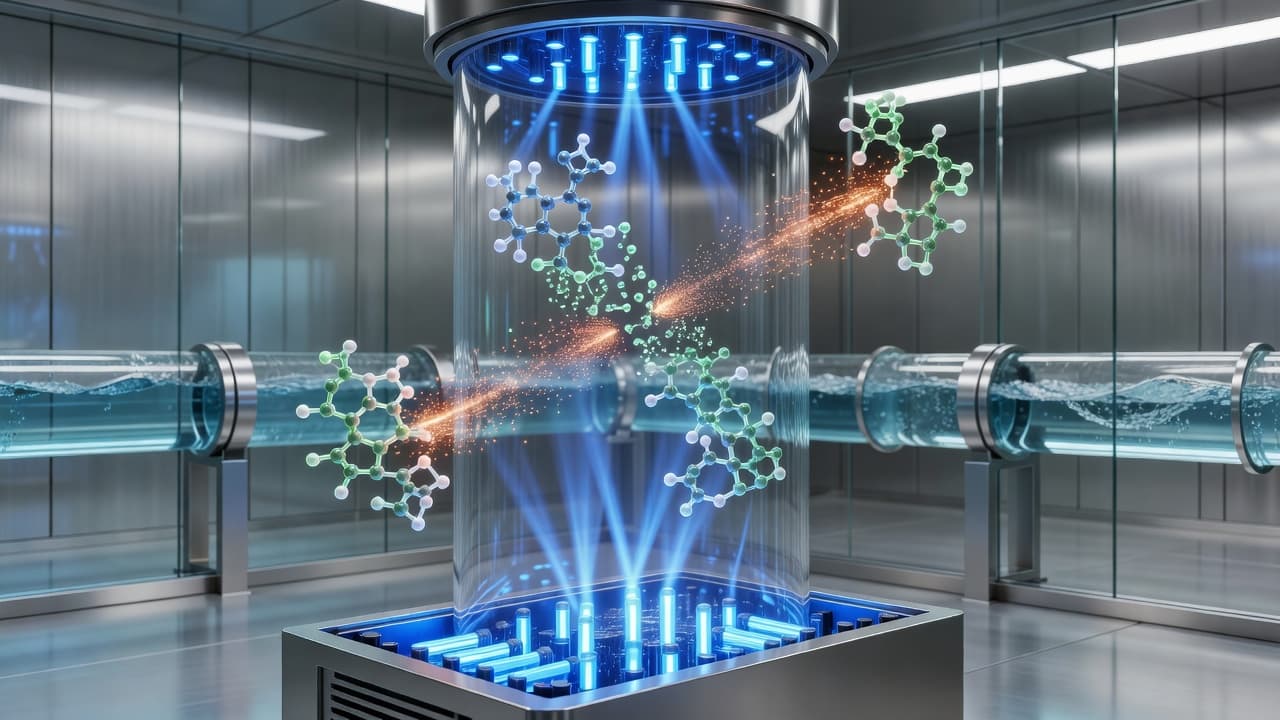
Confronting the 'Forever Chemical' Crisis: A New Hope Emerges
For decades, Per- and polyfluoroalkyl substances, widely known as PFAS or 'forever chemicals,' have posed an intractable environmental and public health challenge. Their exceptional stability, which makes them useful in countless industrial and consumer products, also means they resist degradation in nature, accumulating in our water, soil, and bodies. However, a recent scientific breakthrough promises to turn the tide, offering a novel and highly effective method to finally dismantle these persistent pollutants.
Researchers have developed an innovative technique that employs ultraviolet (UV) light to generate powerful hydrogen radicals, which are then used to break down the resilient chemical bonds that define PFAS. This development marks a significant step forward in the global effort to combat one of the most widespread and concerning forms of environmental contamination.
Understanding the 'Forever' Problem: Why PFAS Persist
PFAS are a vast group of synthetic chemicals characterized by their strong carbon-fluorine bonds, among the strongest chemical bonds known. This molecular architecture gives them unique properties like water and grease resistance, leading to their widespread use in non-stick cookware, waterproof fabrics, firefighting foams, and countless other applications.
Unfortunately, these same robust bonds are responsible for their notorious persistence. Once released into the environment, PFAS do not naturally break down, earning them the moniker 'forever chemicals.' They contaminate drinking water sources, accumulate in wildlife, and have been linked to various health concerns, including certain cancers, thyroid disease, and immune system dysfunction. Traditional remediation methods often struggle to effectively eliminate them, frequently requiring costly and energy-intensive processes.
The Radical Solution: Unleashing UV-Generated Hydrogen
The new method offers a fundamentally different approach. It harnesses the energy of UV light to initiate a powerful chemical reaction. When UV light interacts with water molecules under specific conditions, it can generate highly reactive hydrogen radicals (H•). These radicals are atoms with an unpaired electron, making them extremely eager to react with other molecules.
Crucially, these UV-generated hydrogen radicals possess sufficient energy and reactivity to target and cleave the formidable carbon-fluorine bonds within PFAS molecules. Unlike other methods that might merely sequester or dilute the chemicals, this process actively breaks them down into simpler, less harmful compounds, effectively neutralizing their threat. The precision and efficiency of this radical-driven degradation represent a significant leap in chemical remediation technology.
Paving the Way for Cleaner Water and Environments
The implications of this breakthrough are profound. By providing an efficient and potentially scalable way to destroy PFAS, this technology could revolutionize water treatment facilities and contaminated site remediation efforts worldwide. Current challenges in PFAS removal include high costs, energy consumption, and the generation of secondary waste products.
This UV-radical method offers a more sustainable pathway, potentially reducing the environmental footprint of remediation while offering a definitive solution rather than just moving the problem elsewhere. Its ability to directly target the C-F bonds means it addresses the root cause of PFAS persistence, offering a genuine path to detoxification.
Looking Ahead: From Lab to Global Impact
While still in its developmental stages, the promise of UV-generated hydrogen radicals for PFAS destruction is immense. Researchers are now focused on optimizing the process, exploring its scalability for industrial applications, and assessing its effectiveness across a wider range of PFAS compounds and environmental matrices, such as contaminated groundwater and industrial wastewater streams.
This scientific achievement represents a powerful testament to human ingenuity in the face of complex environmental challenges. It offers a tangible and hopeful future where the pervasive threat of 'forever chemicals' can finally be neutralized, paving the way for cleaner ecosystems and healthier communities globally.
How this article was made
- Sources
- ScienceDaily
- Generated on:
- Jun 20, 2026
This content is produced by Acerbo.AI's AI editorial pipeline: source gathering, rewriting and imagery are automated. Editorial oversight stays human.
Related Articles
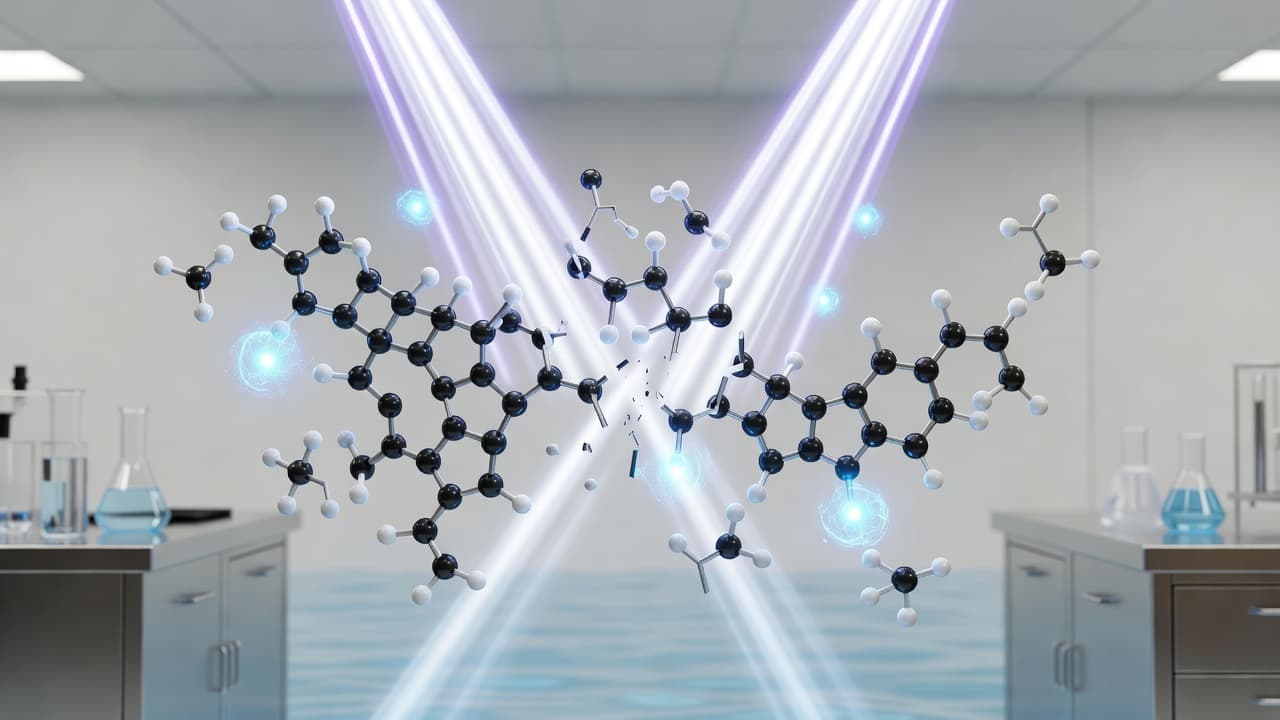
Breaking the 'Forever' Bond: Scientists Harness UV Light to Destroy Stubborn PFAS Chemicals
A groundbreaking study unveils a novel method using intense UV light and hydrogen radicals to finally break down PFAS 'forever chemicals,' offering a beacon of hope in the fight against widespread environmental contamination.
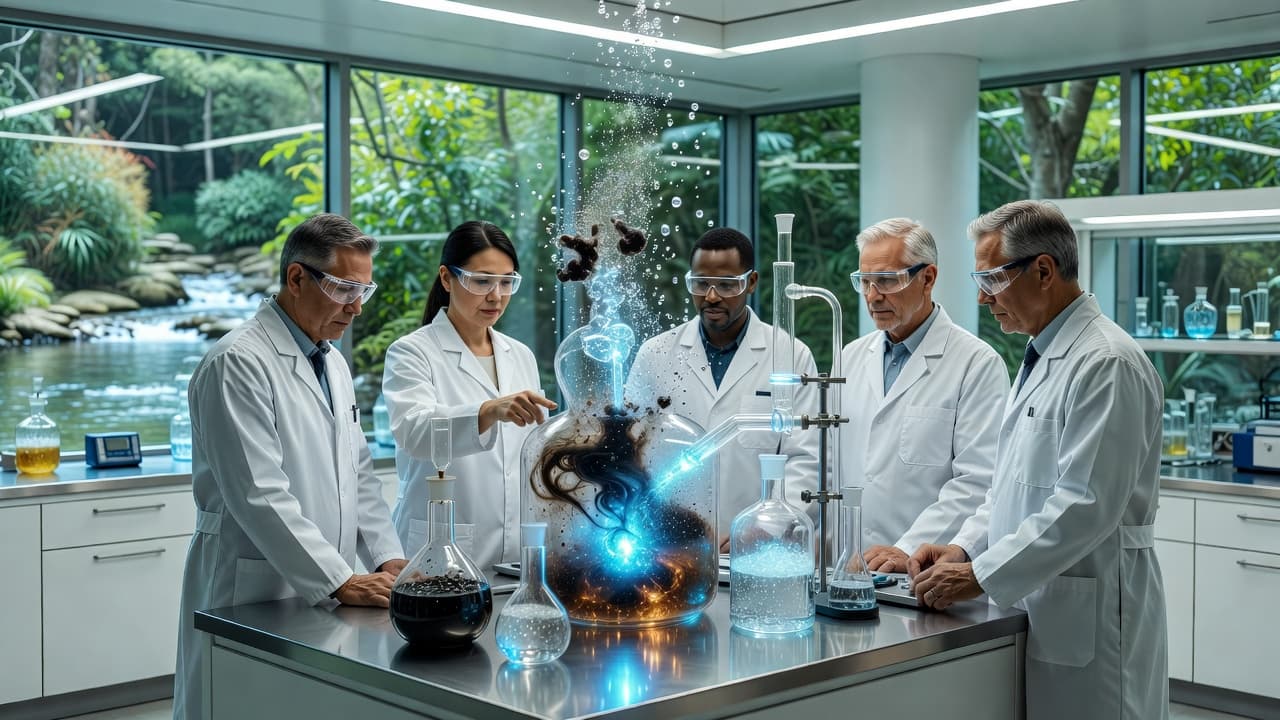
Revolutionary Breakthrough: Scientists Uncover New Method to Destroy PFAS 'Forever Chemicals'
Scientists have announced a groundbreaking discovery, unveiling a novel chemical method to effectively break down PFAS, the notorious 'forever chemicals' that pollute our planet.

Game-Changing Breakthrough: New Method Promises Affordable Green Hydrogen for a Cleaner Future
A revolutionary new hydrogen production method could drastically cut costs and simplify generation, paving the way for widespread adoption of clean fuel and accelerating the global energy transition.