
Tech Titans Collide: Apple Sues OpenAI Over Alleged Trade Secret Theft
Apple has filed a landmark lawsuit against AI powerhouse OpenAI and two former employees, alleging the theft of critical trade secrets amidst the escalating artificial intelligence arms race.
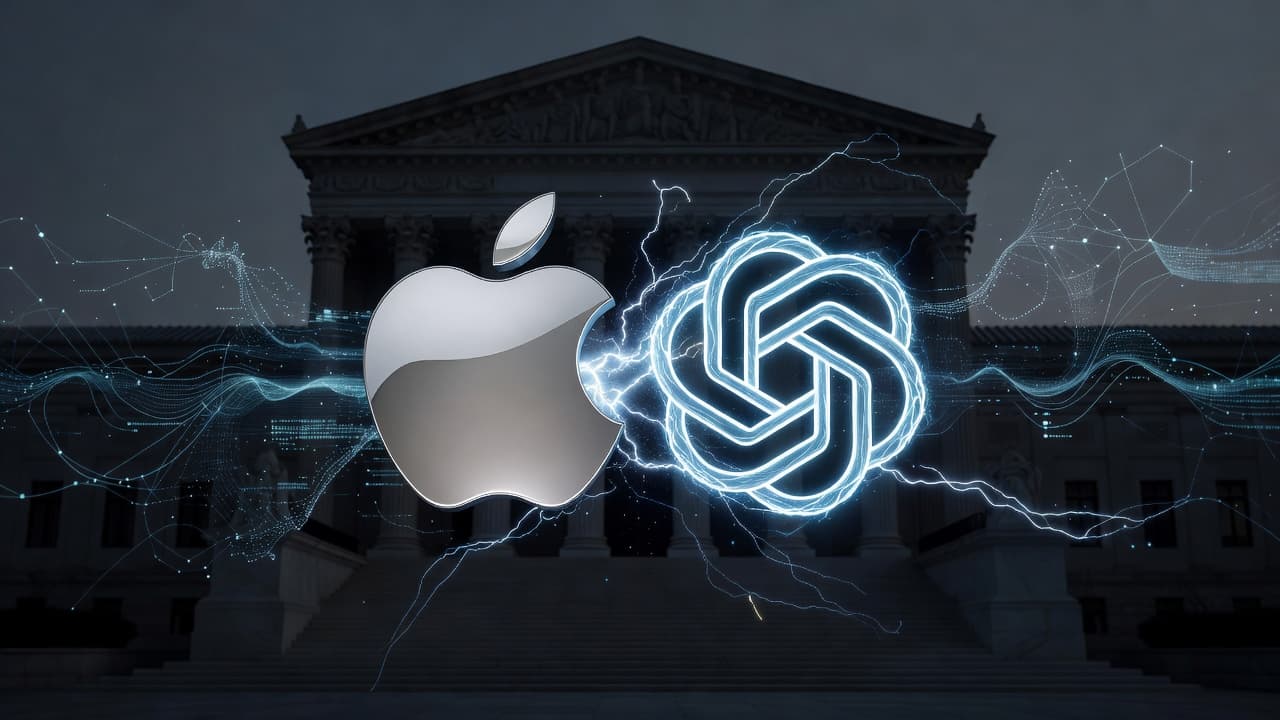
A New Front in the AI War: Apple vs. OpenAI
A seismic tremor has rattled the global technology landscape, as Apple, the world's most valuable company, has launched a high-stakes legal offensive against artificial intelligence leader OpenAI. Filed on July 11, 2026, the lawsuit accuses OpenAI and two former Apple employees of egregious trade secret theft, a move that underscores the cutthroat competition for innovation and intellectual property in the booming AI sector.
This unprecedented legal battle pits two of tech's most influential giants against each other, with Apple alleging that proprietary information and critical advancements were illicitly transferred, potentially impacting its own burgeoning AI initiatives.
The Core Allegations: What Did Apple Lose?
While the specific details of the alleged trade secrets remain under wraps, Apple's complaint suggests a breach involving confidential information crucial to its research and development. The lawsuit claims that two former Apple employees, who subsequently joined OpenAI, were instrumental in misappropriating sensitive data before or during their transition.
- Proprietary Algorithms: Potentially related to Apple's on-device AI processing or data efficiency.
- Product Roadmaps: Strategic plans for integrating AI into future Apple devices and services.
- Research Data: Confidential findings from extensive R&D efforts in artificial intelligence.
- Design Methodologies: Unique approaches to developing AI components and user experiences.
These allegations strike at the heart of competitive advantage, particularly as Apple intensifies its efforts to integrate advanced AI capabilities across its ecosystem, exemplified by its recent "Apple Intelligence" announcements.
The Stakes Are High: Intellectual Property in the AI Era
This lawsuit isn't merely about monetary damages; it's a profound statement about the protection of intellectual property in an era defined by rapid technological advancement. Companies like Apple invest billions in R&D, and the safeguarding of these investments is paramount.
For OpenAI, a company at the forefront of generative AI, the allegations could pose a significant reputational challenge and potentially impact its operational freedom, depending on the outcome. The legal proceedings are expected to be complex, involving extensive discovery and expert testimony.
The Broader Context: Talent Mobility and IP Protection
The tech industry has long grappled with the delicate balance between employee mobility and the protection of trade secrets. This case highlights the increasing scrutiny on employees moving between direct competitors, especially when those individuals held key positions involving sensitive information.
As the competition for top AI talent intensifies, companies are increasingly vigilant about non-disclosure agreements and non-compete clauses. The outcome of the Apple-OpenAI dispute could set important precedents for how intellectual property is defined and protected in the fast-evolving AI landscape, potentially influencing hiring practices and legal strategies across Silicon Valley and beyond.
What's Next for the Tech Giants?
The legal process is likely to be protracted, with both companies marshaling considerable resources for what promises to be a landmark case. The implications extend far beyond the two entities involved, potentially reshaping norms for intellectual property protection, employee transitions, and competitive practices in the global tech industry.
As the world watches, the resolution of this lawsuit will undoubtedly cast a long shadow over the future trajectory of AI development, underscoring the critical importance of safeguarding innovation in the race for technological supremacy.
How this article was made
- Sources
- Reuters
- Generated on:
- Jul 11, 2026
This content is produced by Acerbo.AI's AI editorial pipeline: source gathering, rewriting and imagery are automated. Editorial oversight stays human.
Related Articles
Tech Titans Clash: Apple Sues OpenAI and Ex-Employees Over Alleged Trade Secret Theft
A legal earthquake rocks the tech world as Apple files a groundbreaking lawsuit against AI giant OpenAI and two ex-employees, alleging the theft of invaluable trade secrets. This high-stakes battle could redefine intellectual property in the age of artificial intelligence.
Tech Titans Clash: Apple Sues OpenAI Over Alleged Trade Secret Theft
Apple has filed a major lawsuit against AI giant OpenAI and two former employees, alleging the theft of critical trade secrets. This legal battle ignites a significant dispute over intellectual property in the rapidly evolving AI landscape.
Apple Ignites Legal Firestorm: Sues OpenAI Over Alleged AI Trade Secret Theft
Tech giant Apple has launched a major lawsuit against AI powerhouse OpenAI and two former employees, alleging the theft of critical trade secrets. This legal battle highlights the escalating stakes in the competitive artificial intelligence landscape.