
Tech Titans Stumble: S&P 500 & Nasdaq Plunge Amid AI Spending Jitters and Hawkish Fed
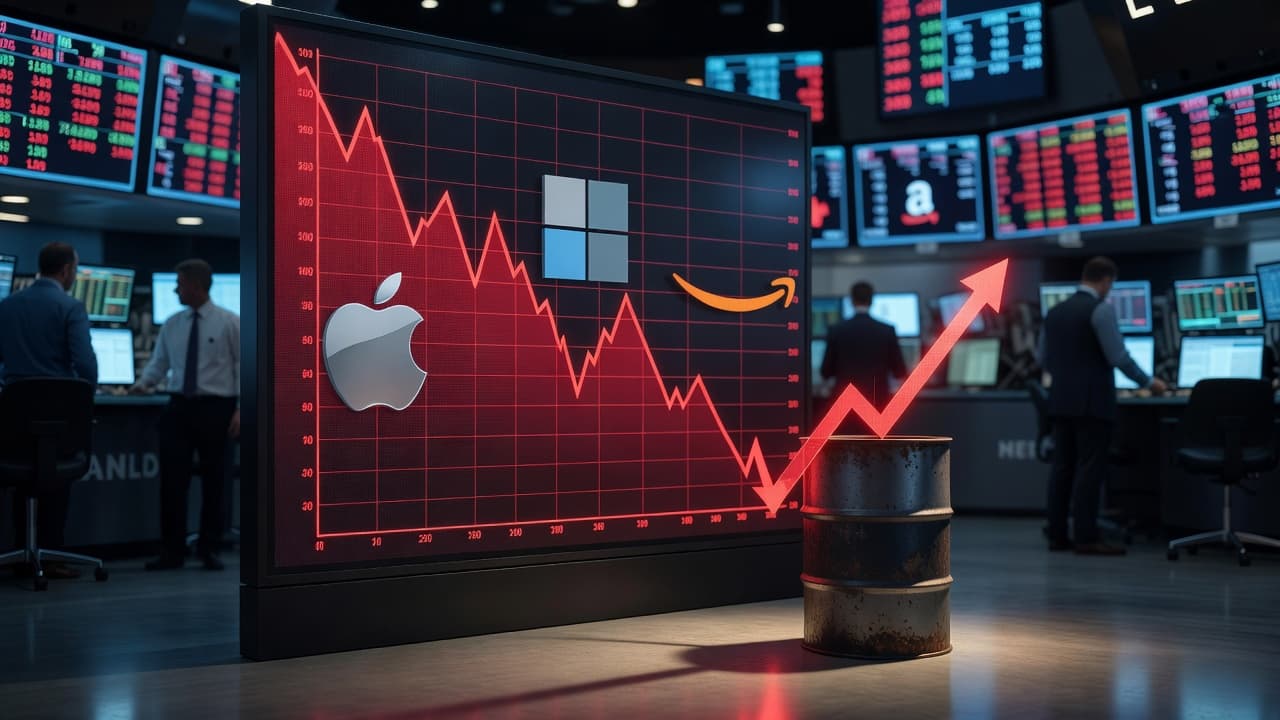
Global markets witnessed a significant tech selloff as the S&P 500 and Nasdaq Composite plummeted. Investor concerns over AI spending sustainability and a hawkish Federal Reserve rattled confidence.

Tech Titans Stumble: S&P 500 & Nasdaq Plunge Amid AI Spending Jitters and Hawkish Fed
June 23, 2026, marked a challenging day for global equity markets as the bellwether S&P 500 and technology-heavy Nasdaq Composite experienced a sharp decline. The downturn was largely fueled by a widespread selloff in the tech sector, driven by mounting investor concerns over the sustainability of artificial intelligence (AI) spending and a persistently hawkish stance from the Federal Reserve.
This market movement highlights a growing cautiousness among investors, who are increasingly scrutinizing the intense capital expenditure required for AI development and deployment, alongside the broader economic implications of tighter monetary policy.
The AI Spending Reckoning: Hype Meets Reality?
For months, the AI revolution has been the primary engine of growth for many technology stocks, pushing valuations to unprecedented levels. However, recent analyses suggest a shift in investor sentiment, moving from unbridled optimism to a more critical assessment of the immediate returns on these massive investments.
Concerns are surfacing about the long lead times for AI projects to generate substantial revenue, the intense competition driving up costs, and the potential for market saturation in certain AI niches. Investors are now asking tougher questions about profitability and tangible returns, rather than just growth potential.
- High Capital Expenditure: The immense costs associated with developing advanced AI models and infrastructure.
- Slower ROI: Doubts about how quickly these investments will translate into significant profits.
- Competitive Landscape: Increasing competition potentially compressing margins for AI leaders.
Federal Reserve's Hawkish Shadow Looms Large
Adding to the tech sector's woes is the unwavering hawkish posture of the Federal Reserve. The central bank's commitment to tackling inflation, even at the risk of slowing economic growth, continues to cast a long shadow over growth-oriented stocks. Higher interest rates typically make it more expensive for companies to borrow and expand, directly impacting the valuations of firms that rely on future earnings potential.
The prospect of sustained elevated rates dampens investor appetite for riskier assets, making high-growth tech stocks particularly vulnerable. This environment favors companies with strong balance sheets and immediate profitability over those promising future gains.
Broader Market Contagion and Investor Sentiment
The tech selloff wasn't isolated; its ripple effects were felt across the broader market. The S&P 500, which includes a significant number of technology and growth companies, also registered a notable decline, reflecting a broader shift in investor sentiment towards caution and risk aversion. This movement underscores the interconnectedness of market sectors and how concentrated weakness in one area can trigger wider adjustments.
Analysts suggest that this market correction could be a healthy recalibration, forcing companies to demonstrate more concrete pathways to profitability from their AI endeavors. It also serves as a reminder that even the most revolutionary technologies are subject to economic realities and market cycles.
Navigating Future Volatility
As markets digest these dual pressures of AI spending scrutiny and a hawkish Fed, investors are bracing for continued volatility. The coming weeks will likely see further analysis of corporate earnings reports for clearer indications of AI's financial impact and closer monitoring of the Federal Reserve's communications for any shifts in monetary policy.
For long-term investors, this period might present opportunities to re-evaluate portfolios and consider diversification away from overly concentrated tech holdings. The current environment emphasizes the importance of fundamental analysis and a balanced investment strategy in navigating an evolving economic landscape.
How this article was made
- Sources
- Reuters
- Generated on:
- Jun 23, 2026
This content is produced by Acerbo.AI's AI editorial pipeline: source gathering, rewriting and imagery are automated. Editorial oversight stays human.
Related Articles

Tech Stocks Eye Resurgence After AI Jitters Trigger $1.3 Trillion Market Correction
After a staggering $1.3 trillion market rout fueled by AI jitters, tech stocks are signaling a potential rebound. Investors are weighing innovation against recent volatility.

Global Markets Power Ahead: Tech and AI Fuel Optimism Amid Economic Watch
March 4, 2026, saw global stock markets demonstrate resilience, with the tech and AI sectors leading significant gains. Investors balanced growth optimism against persistent inflation concerns and central bank policy watch.
Nasdaq Stumbles: Big Tech Earnings & Soaring Oil Prices Spark Global Investor Jitters
Investors worldwide are bracing for a volatile period as the Nasdaq Composite dips, fueled by anticipation of crucial Big Tech earnings and persistent surges in global oil prices.