
US Inflation Heats Up: April PCE Data Signals Persistent Price Pressures Amid Energy Volatility
April's Personal Consumption Expenditures (PCE) data reveals US inflation remains stubbornly high, driven by energy shocks. This puts the Federal Reserve under pressure for policy responses.
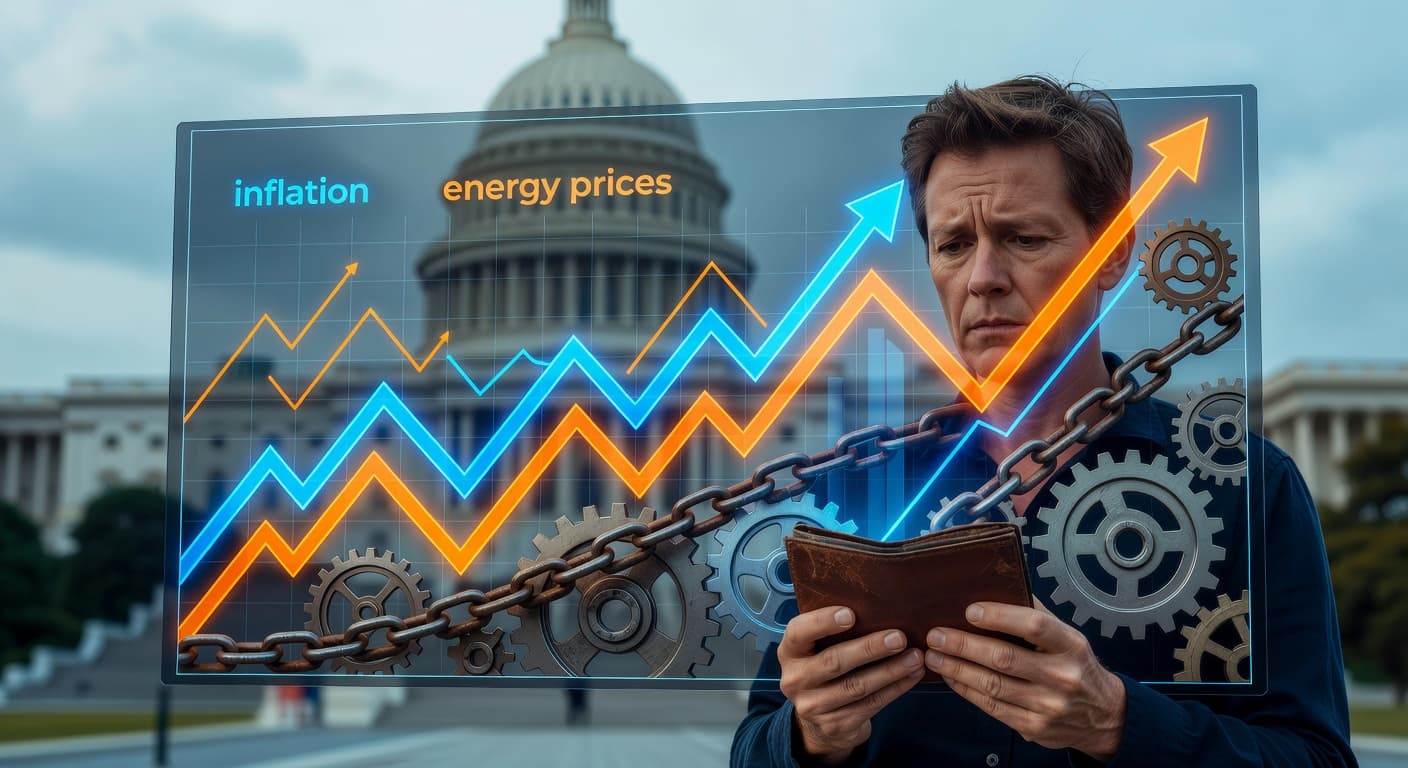
US Inflation's Persistent Grip: April PCE Data Highlights Economic Strain
The latest economic indicators from the United States paint a challenging picture, with April's Personal Consumption Expenditures (PCE) data confirming that inflation remains stubbornly elevated. This critical report, closely watched by policymakers and markets alike, underscores the persistent price pressures impacting consumers and businesses. A significant factor contributing to this inflationary environment is the ongoing volatility in global energy markets, forcing the Federal Reserve to consider its next strategic moves carefully.
As the cost of living continues to rise, households are feeling the squeeze, impacting purchasing power and overall economic confidence. The implications of this sustained inflation extend beyond domestic borders, influencing global trade dynamics and investor sentiment worldwide.
Unpacking the April PCE Report: Why It Matters
The Personal Consumption Expenditures (PCE) price index is the Federal Reserve's preferred measure of inflation, offering a comprehensive look at consumer spending patterns and price changes. Unlike the more commonly cited Consumer Price Index (CPI), PCE accounts for shifts in consumer behavior, such as substituting cheaper goods when prices rise. April's data indicated a notable uptick, particularly in the headline figure, signaling that inflationary forces are far from abating.
- Headline PCE: Reflects the overall increase in prices paid by consumers for goods and services.
- Core PCE: Excludes volatile food and energy prices, providing a clearer view of underlying inflation trends.
Even with the core measure, the persistence of price increases suggests that inflationary pressures are broad-based, affecting various sectors of the economy.
The Shadow of Energy Shocks and Global Dynamics
A primary driver behind the elevated inflation figures, particularly the headline PCE, is the relentless surge in energy prices. Geopolitical tensions, supply chain disruptions, and fluctuating global demand have kept crude oil, natural gas, and gasoline prices at high levels. This directly translates into higher costs for transportation, manufacturing, and utilities, which are then passed on to consumers.
Energy shocks create a ripple effect throughout the economy, increasing the cost of producing and delivering almost every good and service. This global phenomenon underscores the interconnectedness of international markets and the vulnerability of economies to external shocks.
The Federal Reserve's Policy Conundrum
With inflation proving more persistent than initially anticipated, the Federal Reserve faces a significant challenge. Its dual mandate of achieving maximum employment and stable prices means navigating a delicate balance. Aggressive interest rate hikes, while effective in cooling inflation, risk slowing economic growth too much and potentially triggering a recession. Conversely, a hesitant approach could allow inflation to become entrenched, leading to more severe economic consequences down the line.
Market attention is now firmly fixed on the Fed's upcoming meetings, anticipating further monetary policy tightening. Investors are closely scrutinizing statements for clues on the pace and magnitude of future rate increases, as well as any signals regarding quantitative tightening measures designed to shrink the Fed's balance sheet.
Broader Economic Implications and Future Outlook
The elevated inflation, coupled with the Fed's hawkish stance, has several broader implications. Consumer spending, a key engine of the U.S. economy, could see a slowdown as real wages decline and borrowing costs rise. Businesses might face tighter credit conditions and increased operational expenses, potentially impacting investment and hiring decisions.
Internationally, a stronger U.S. dollar, driven by higher interest rates, could make American exports more expensive and imports cheaper, affecting trade balances. The global economy, already grappling with various headwinds, will closely watch the U.S. response, as it often sets a precedent for other central banks.
In conclusion, April's PCE data reinforces the notion that inflation remains a formidable challenge for the U.S. economy. The interplay of strong consumer demand, supply chain constraints, and crucial energy shocks demands a nuanced and agile response from the Federal Reserve. The path ahead is fraught with uncertainty, making vigilance and adaptability key for policymakers, businesses, and consumers navigating these turbulent economic waters.
How this article was made
- Sources
- Fox Business
- Generated on:
- May 29, 2026
This content is produced by Acerbo.AI's AI editorial pipeline: source gathering, rewriting and imagery are automated. Editorial oversight stays human.
Related Articles
US Inflation's Persistent Grip: PCE Data Reveals April's Price Pressures from Tariffs and Energy
U.S. inflation remained stubbornly high in April, with PCE data highlighting persistent pressures from elevated energy costs and strategic tariffs. What does this mean for your wallet?
Federal Reserve Beige Book: Geopolitical Tensions Fuel Widespread Inflation
The Federal Reserve's latest Beige Book report indicates that inflationary pressures are mounting across most U.S. districts, largely fueled by rising energy costs attributed to ongoing geopolitical conflicts in the Middle East. This signals a challenging economic outlook.
Federal Reserve's Beige Book Reveals Intensifying Inflation Across US Economy
The latest Federal Reserve Beige Book indicates a broad escalation of inflationary pressures across most U.S. districts, signaling persistent economic challenges.