
US Inflation's Persistent Grip: PCE Data Reveals April's Price Pressures from Tariffs and Energy
U.S. inflation remained stubbornly high in April, with PCE data highlighting persistent pressures from elevated energy costs and strategic tariffs. What does this mean for your wallet?
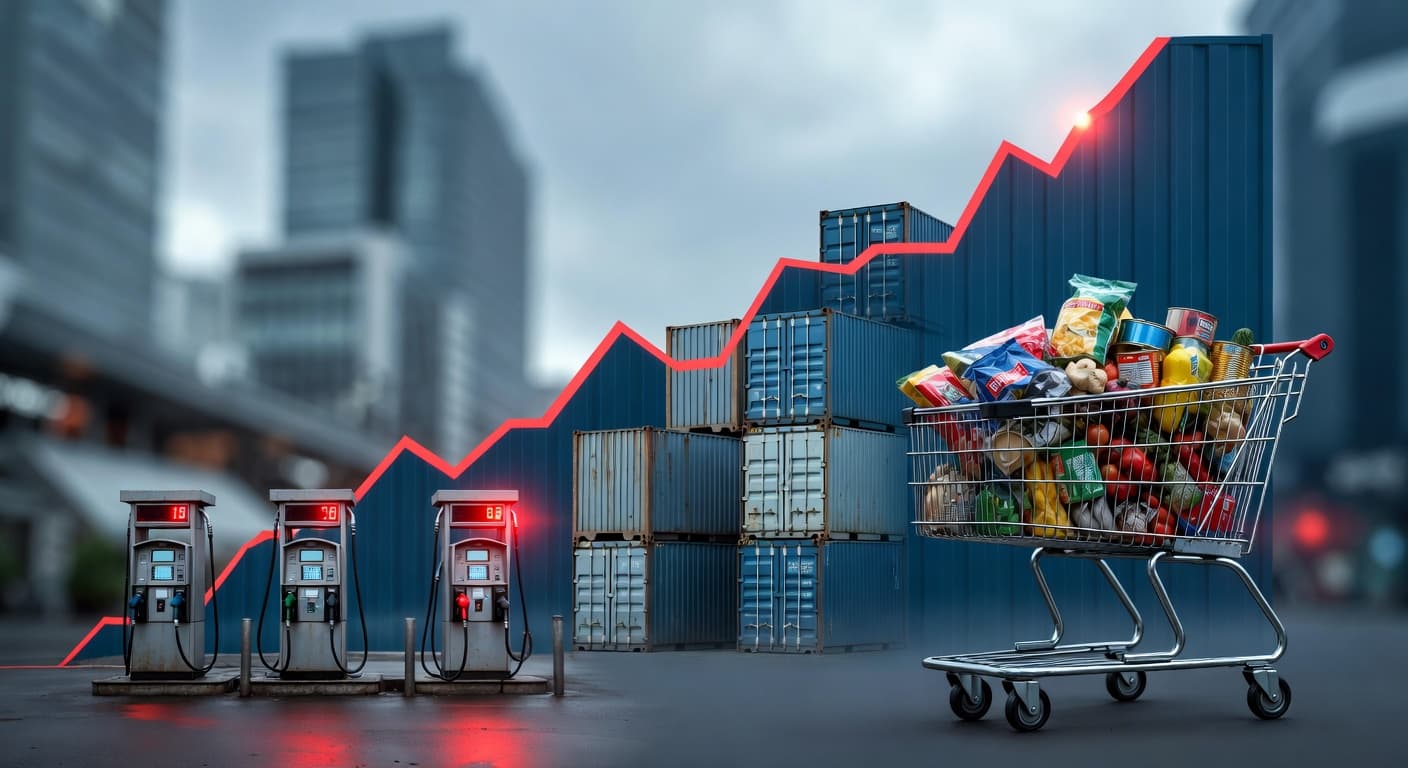
America's Inflation Battle Continues: April's PCE Report Unpacked
The fight against rising costs continues to challenge American households and policymakers alike. In April, the U.S. economy saw inflation remain stubbornly elevated, a trend underscored by the latest Personal Consumption Expenditures (PCE) data. This key economic indicator, favored by the Federal Reserve for its comprehensive measure of consumer spending and price changes, reflected persistent pressures stemming primarily from two significant factors: escalating energy costs and the lingering impact of tariffs.
For many, the promise of inflation moderating has been a slow-moving reality. The April PCE figures serve as a stark reminder that while some prices may have cooled, the overall trajectory still points towards a challenging environment for household budgets and business planning.
Understanding the PCE: Why It Matters
The PCE price index is more than just a number; it's a crucial barometer of economic health, capturing a broad range of goods and services consumed by U.S. households. Unlike the Consumer Price Index (CPI), the PCE accounts for shifts in consumer behavior, such as substituting cheaper alternatives when prices rise, making it a more comprehensive gauge of underlying inflation trends for the Federal Reserve.
The fact that April's PCE data showed inflation staying elevated signals that the economic forces driving up prices are deeply entrenched, making the Fed's task of achieving its 2% inflation target increasingly complex.
The Double Whammy: Energy and Tariffs Fueling Price Hikes
Two major culprits were identified as primary drivers behind April's elevated inflation: the volatile global energy market and the ripple effects of international trade tariffs. These forces often work in tandem, creating a compounding effect on consumer prices.
Energy Costs: A Global Headache
Global energy prices have been a significant contributor to inflation for over a year, and April was no exception. Factors such as geopolitical tensions, supply chain disruptions, and fluctuations in crude oil production continue to push up the cost of gasoline, electricity, and natural gas. These increases directly impact consumers at the pump and on their utility bills, but also indirectly affect nearly every sector of the economy.
- Transportation Costs: Higher fuel prices mean increased expenses for businesses transporting goods, which are inevitably passed on to consumers.
- Manufacturing Expenses: Energy is a critical input for factories, so rising costs translate to more expensive production of goods.
- Agricultural Impact: From fertilizer to machinery, farming relies heavily on energy, leading to higher food prices.
Tariffs' Hidden Hand in Your Wallet
While less visible than the price at the gas station, tariffs play a substantial role in shaping the cost of goods. Tariffs are taxes imposed on imported goods and services, often used as a tool in trade policy. When tariffs are applied, foreign goods become more expensive, and these added costs are frequently absorbed by importers and then passed on to American businesses and, ultimately, consumers.
The impact of tariffs can be felt across a wide array of products, from electronics and apparel to industrial components. For instance, recent or ongoing tariffs on goods from countries like China mean that manufacturers using these imported components face higher input costs, leading to higher prices for the final product sold to consumers. This creates a persistent upward pressure on inflation, even as other economic factors might stabilize.
Broader Economic Implications and the Road Ahead
The persistence of elevated inflation, as indicated by the April PCE data, presents significant challenges for the U.S. economy and its key institutions. The Federal Reserve, tasked with maintaining price stability, faces a delicate balancing act.
The Federal Reserve's Tightrope Walk
With inflation staying high, the Fed's path to interest rate cuts becomes less clear. Policymakers are likely to remain cautious, potentially delaying any rate reductions until there is clearer evidence that inflation is sustainably moving towards their 2% target. This
Impact on Consumers and Businesses
For consumers, persistent inflation erodes purchasing power, making everyday necessities more expensive and squeezing household budgets. Businesses, on the other hand, grapple with rising input costs and the challenge of passing those costs on without deterring customers. The ability of businesses to absorb these pressures or innovate to reduce costs will be crucial in the coming months.
Looking ahead, the trajectory of U.S. inflation will largely depend on the evolution of global energy markets and international trade policies. While some economists hope for a gradual moderation in energy prices and a potential softening of tariff impacts, the April PCE data serves as a compelling reminder that the journey to stable prices is far from over. Consumers and businesses alike must continue to adapt to an economic landscape where cost pressures remain a significant and ongoing concern.
How this article was made
- Sources
- Fox Business
- Generated on:
- May 29, 2026
This content is produced by Acerbo.AI's AI editorial pipeline: source gathering, rewriting and imagery are automated. Editorial oversight stays human.
Related Articles
US Inflation Heats Up: April PCE Data Signals Persistent Price Pressures Amid Energy Volatility
April's Personal Consumption Expenditures (PCE) data reveals US inflation remains stubbornly high, driven by energy shocks. This puts the Federal Reserve under pressure for policy responses.
Federal Reserve Beige Book: Geopolitical Tensions Fuel Widespread Inflation
The Federal Reserve's latest Beige Book report indicates that inflationary pressures are mounting across most U.S. districts, largely fueled by rising energy costs attributed to ongoing geopolitical conflicts in the Middle East. This signals a challenging economic outlook.
Inflation Hits 3.8%: A Deep Dive into the Economic Aftershocks for Global Consumers and Markets
Global financial markets are reacting to a significant inflation surge, hitting 3.8% – the highest since 2023. This jump signals crucial shifts for consumer purchasing power and business strategies worldwide.