
Amazon Unleashes Alexa+ on the Web: A New Front in the AI Wars
Amazon is transforming its digital assistant, Alexa, by bringing an advanced, generative AI version to the web, signaling a major strategic shift in the fiercely competitive artificial intelligence landscape.
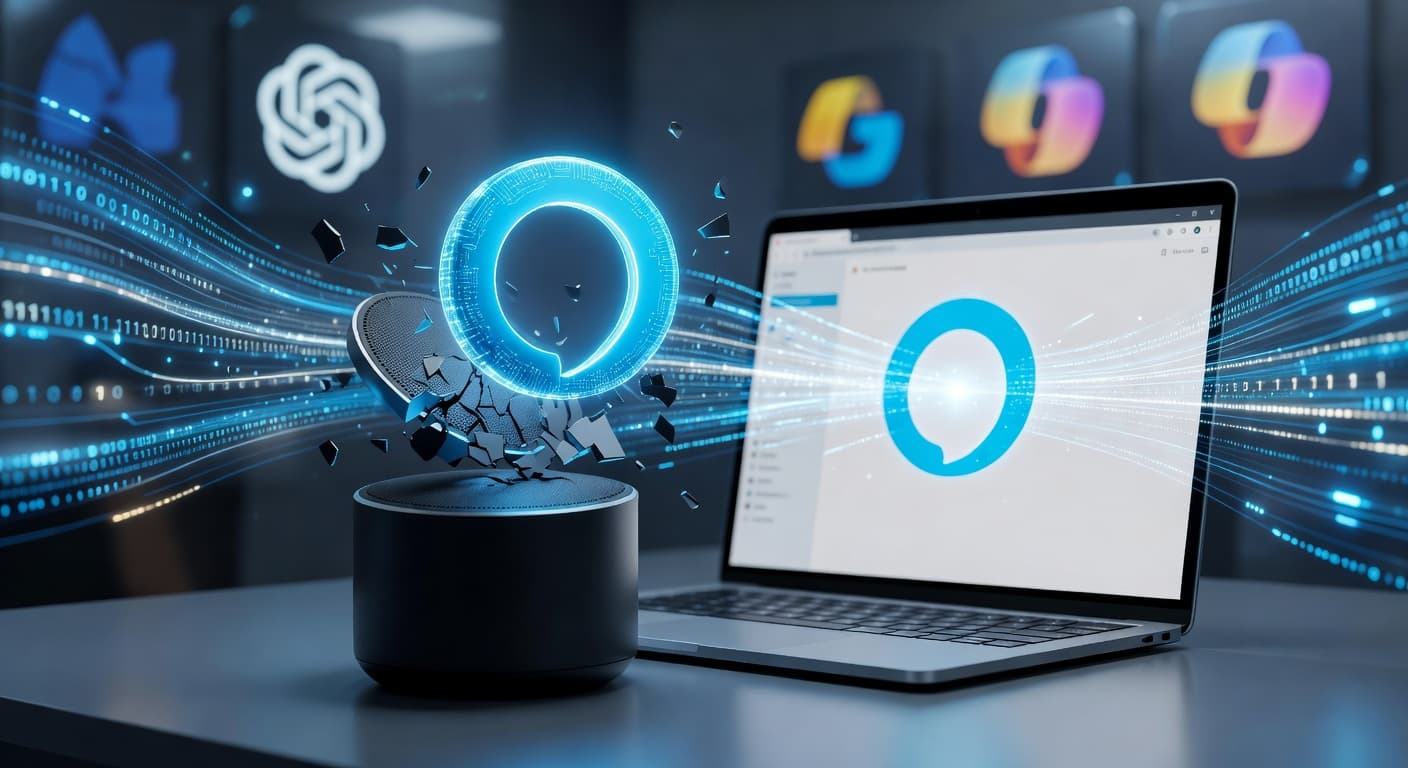
Amazon Unleashes Alexa+ on the Web: A New Front in the AI Wars
The global artificial intelligence arena is witnessing an unprecedented surge in innovation and competition. Amidst this high-stakes race, Amazon is making a decisive move, extending its renowned digital assistant, Alexa, beyond its traditional device ecosystem. By bringing an advanced, generative AI version—dubbed Alexa+—directly to the web, Amazon is not just upgrading its assistant; it's opening a new front in the battle for AI dominance, directly challenging established players like OpenAI, Google, and Microsoft.
Alexa's Evolution: From Smart Speaker to Web-Powered AI
For years, Alexa has been synonymous with smart speakers, voice commands, and convenient home automation. However, the advent of generative AI has fundamentally reshaped expectations for digital assistants. The introduction of Alexa+ to the web signifies Amazon's commitment to evolving with these demands. This isn't merely the Alexa we know; it's a substantially upgraded version, leveraging sophisticated large language models to offer more natural, context-aware, and intelligent interactions.
What truly sets Alexa+ apart is its ability to understand and generate human-like text, engage in complex conversations, summarize information, and even assist with creative tasks. This leap transforms Alexa from a command-response tool into a versatile conversational AI, accessible directly through a web browser, similar to how users interact with ChatGPT or Gemini.
What Makes Alexa+ Different?
- Advanced Conversational Abilities: Capable of more fluid, multi-turn dialogues, remembering context from previous interactions.
- Contextual Understanding: Better at interpreting nuanced queries and providing relevant information, moving beyond keyword matching.
- Broader Knowledge Base: Access to a vastly expanded pool of information, enabling more comprehensive answers and insights.
- Enhanced Integration Potential: While details are still emerging, a web-based Alexa+ could seamlessly integrate with a wider array of online services and productivity tools.
The Strategic Play in the AI Arms Race
Amazon's entry into the web-based generative AI space is a significant strategic maneuver. While companies like OpenAI (with ChatGPT), Google (with Gemini), and Microsoft (with Copilot) have been at the forefront of popularizing web-accessible AI, Amazon has largely focused its AI efforts on its device ecosystem and AWS cloud services. This move signals a direct intent to compete for the attention and daily interaction of web users globally.
The competition is fierce, with each tech giant vying to become the default AI assistant for work, information, and entertainment. Amazon’s strength lies in its vast e-commerce empire, its cloud infrastructure (AWS), and its existing user base for Alexa-enabled devices. Integrating a powerful, web-based Alexa+ could create a compelling ecosystem where users can seamlessly transition between devices and web interfaces, all powered by a consistent, intelligent AI.
Challenging the Incumbents
Amazon's differentiation strategy will likely involve leveraging its unique position. Imagine Alexa+ not just answering questions, but also assisting with shopping decisions, providing personalized product recommendations, or even managing your Amazon orders with more intuitive, conversational commands directly from your browser. This deep integration with its core business could offer a distinct advantage over competitors primarily focused on general knowledge or productivity.
Implications for Users and the Future of Digital Assistants
For users, the arrival of Alexa+ on the web means unprecedented accessibility. You no longer need an Echo device to tap into Alexa's intelligence. This broadens its reach to anyone with an internet connection, regardless of their smart home setup. It promises a more versatile, powerful digital assistant that can assist with complex research, draft emails, brainstorm ideas, or simply provide information on demand, all within the familiar environment of a web browser.
This expansion signifies a broader trend in the tech industry: the democratization of advanced AI. As these powerful tools become more accessible and integrated into our daily digital lives, they are poised to revolutionize how we interact with technology, retrieve information, and accomplish tasks.
A Glimpse into Tomorrow's AI Landscape
The future of AI assistants is moving towards ubiquity and seamless integration. Amazon's push with Alexa+ on the web is a clear indicator that the battle for the "default AI" is far from over. As these systems become more sophisticated and context-aware, they will increasingly anticipate our needs, offering proactive assistance and making our digital interactions smoother and more intuitive. The coming years will undoubtedly see an acceleration of innovation, driven by this intense competition among tech titans.
Amazon's bold step with Alexa+ on the web is a game-changer, signaling a new era for its digital assistant and intensifying the global AI competition. By making its advanced generative AI accessible beyond its hardware, Amazon is not just catching up but actively shaping the future of conversational AI, promising a more intelligent, integrated, and ubiquitous digital companion for users worldwide.
How this article was made
- Sources
- TechNewsWorld
- Generated on:
- May 13, 2026
This content is produced by Acerbo.AI's AI editorial pipeline: source gathering, rewriting and imagery are automated. Editorial oversight stays human.
Related Articles

OpenAI Unlocks GPT-5.6: A New Era for Public AI Innovation
OpenAI is making its advanced GPT-5.6 AI models publicly available, signaling an end to previous government-requested limits and ushering in a transformative phase of AI accessibility and innovation.

Meta's Vision for the Future: New In-House AI Glasses Mark Deepened Wearable Tech Push
Meta is accelerating its ambitious journey into wearable technology with the announcement of new in-house AI-powered smart glasses, reinforcing its long-term vision for ambient computing.

Meta Unveils In-House AI Glasses: A New Frontier in Wearable Technology
Meta is intensifying its push into wearables with the announcement of in-house AI glasses, signaling a significant leap in its vision for seamlessly merging digital and physical realities. This move positions Meta at the forefront of spatial computing, promising transformative user experiences beyond traditional smart devices.