
Global Markets Rally: Oil Steady Amid Hormuz Stability Plans
Global stock markets are rising, buoyed by stable oil prices attributed to strategic plans for the Strait of Hormuz. Investor confidence grows as geopolitical risks subside.
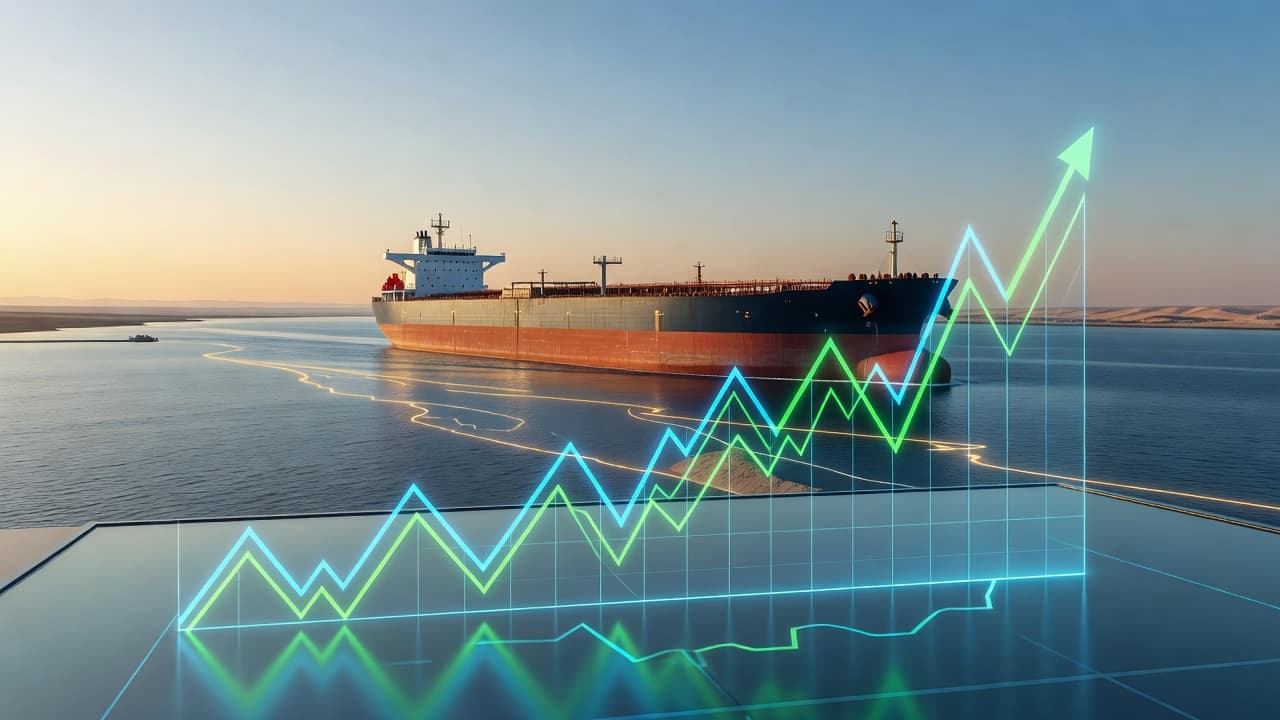
International financial markets are experiencing a palpable wave of optimism as global stock indices register upward movement. This positive momentum signals renewed investor confidence, notably underpinned by a remarkable steadiness in crude oil prices. This stability in the energy sector comes at a pivotal time, especially in light of recent strategic developments concerning the highly sensitive Strait of Hormuz, a key artery for global oil supplies.
Global Equities Rally Amidst Cautious Optimism
Major stock exchanges across continents have reported encouraging gains, with investors seemingly shrugging off lingering economic uncertainties. From Wall Street to Asian bourses and European markets, sentiment leans towards growth. This broad-based rally is driven by robust corporate earnings, promising macroeconomic data, and a perceived easing of geopolitical tensions, contributing to a collective sigh of relief among market participants.
Oil Markets Find Their Footing
Crucially, crude oil prices, a commodity dictating the global economy's pulse, have maintained a remarkably stable trajectory. This stability significantly departs from volatile swings often accompanying geopolitical hotspots. Oil, being the lifeblood of global industry and transport, directly impacts production costs and consumer spending. Its predictable pricing aids business planning, mitigates inflationary pressures, and fosters a conducive environment for capital investment.
The Strategic Importance of the Strait of Hormuz
At the heart of this oil market steadiness are the ongoing discussions and carefully formulated plans surrounding the Strait of Hormuz. This narrow waterway, positioned between Oman and Iran, is the world's most critical oil transit choke point. Approximately one-fifth of the world's total seaborne oil, alongside significant volumes of liquefied natural gas (LNG), passes through this strait daily. Any disruption here holds potential for catastrophic impacts on global energy supplies and international oil prices.
- Facilitates passage of 20% of global petroleum consumption.
- Indispensable route for crude oil and LNG exports from major Persian Gulf producers.
- Geopolitical tensions in the region frequently threaten global energy security.
Investor Confidence and Geopolitical Stability
The market's positive reaction underscores the profound connection between geopolitical stability and sustained investor confidence. When critical global supply routes, like the Strait of Hormuz, are perceived as secure, or when diplomatic efforts yield concrete plans to maintain regional stability, the inherent risk premium on financial assets tends to decrease. This favorable environment encourages strategic capital allocation into equities and other growth-oriented investments.
Looking Ahead: Navigating Future Market Dynamics
While immediate market sentiment is largely positive, analysts caution that vigilance remains paramount. The global economic landscape is complex, with persistent challenges like inflation, evolving interest rate policies, and other potential geopolitical flashpoints still in play. However, the current stability linked to the effective management of the Strait of Hormuz provides valuable breathing room, allowing markets to focus on fundamental economic indicators rather than reacting impulsively to immediate regional threats.
In conclusion, the uptick in global stock markets, harmonized with the steadfast performance of oil prices, paints a compelling picture of cautious optimism. The perceived effectiveness of "Hormuz plans" in successfully mitigating risks around this critical waterway has played a pivotal role, offering a much-needed sense of security to energy markets and bolstering investor confidence across the globe. The unwavering stability of such key global supply arteries will remain an indispensable cornerstone of overall market resilience.
How this article was made
- Sources
- Reuters
- Rewriting model:
- gemini-2.5-flash
- Image generated with:
- xAI Grok
- Generated on:
- Aug 10, 2026
This content is produced by Acerbo.AI's AI editorial pipeline: source gathering, rewriting and imagery are automated. Editorial oversight stays human.
Related Articles

Global Markets Ignite: Wall Street Rallies as Oil Prices Dip and Geopolitical Fears Subside
Wall Street experienced a significant rally, buoyed by declining crude oil prices and a noticeable reduction in global geopolitical anxieties, signaling renewed investor confidence.

Global Markets Hold Breath: US-Iran Truce Calms Nerves, But Oil Prices Remain a Wildcard for Asian Stocks
Asian stock markets show mixed reactions despite a US-Iran de-escalation, as investors grapple with persistent oil price uncertainty and looming central bank rate hike bets. Geopolitical calm meets economic headwinds.

Global Markets Soar as Trump Signals Iran De-escalation; Oil Futures Tumble Near $100
Global stock markets surge and oil prices soften near $100 a barrel following a major announcement from Donald Trump signaling a potential US exit from the Iran conflict.