
US Stocks Surge as Unexpected Job Cuts Ignite Hopes for Federal Reserve Rate Pause
Global markets react positively as the US job market unexpectedly contracts, with 23,000 jobs cut, bolstering investor confidence that the Federal Reserve may halt interest rate hikes.
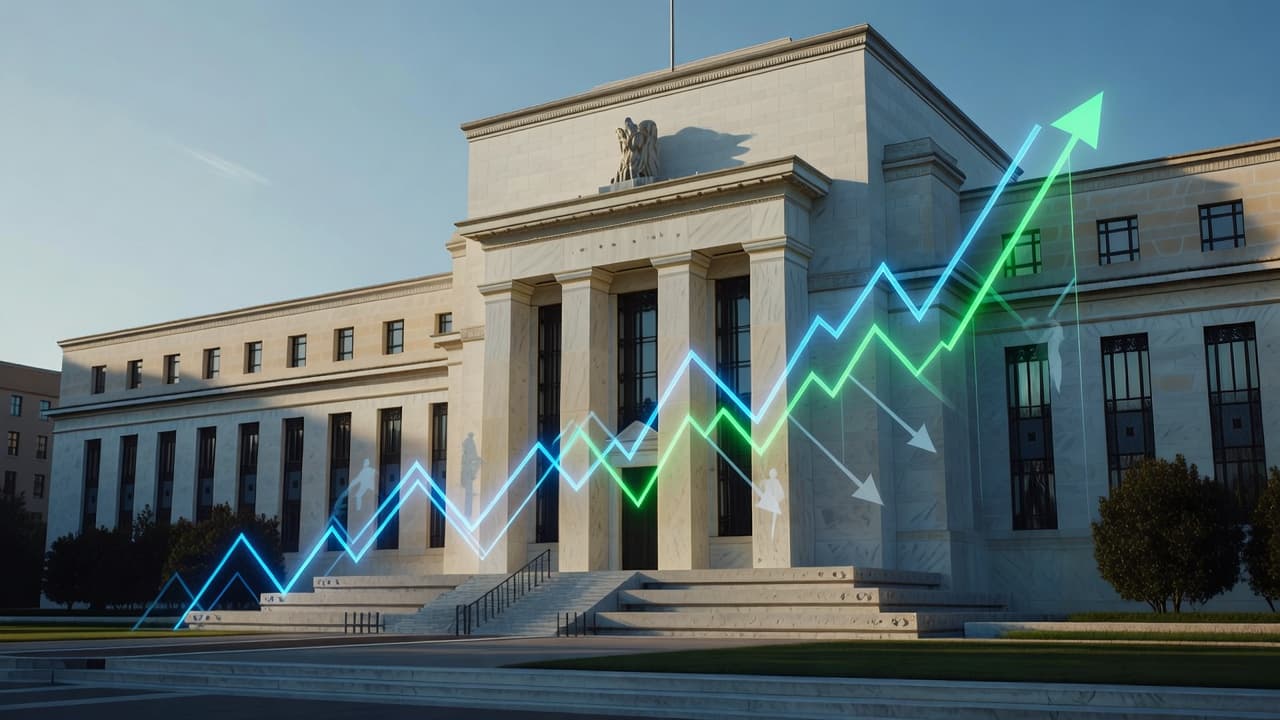
Wall Street Rejoices: Job Cuts Signal Potential Rate Pause
In a surprising turn of events that sent ripples across global financial markets, US stocks experienced a significant surge following an unexpected report indicating a contraction in the nation's employment figures. Far from being a cause for concern, the news that employers cut 23,000 jobs has been interpreted by investors as a positive signal, intensifying hopes that the Federal Reserve might finally be poised to halt its aggressive campaign of interest rate hikes.
This counterintuitive market reaction underscores the current delicate balance between economic health and monetary policy. While job losses typically suggest economic weakness, in today's inflation-wary environment, a cooling labor market is often seen as a necessary step to bring prices under control without triggering a deep recession.
The Unexpected Labor Market Contraction
The latest employment data revealed a notable shift from previous months' robust job creation. The unexpected cut of 23,000 jobs marks a significant departure from analyst expectations, which largely anticipated continued, albeit slower, job growth. This data point is particularly crucial as the Federal Reserve closely monitors the labor market for signs of easing inflationary pressures.
A tight labor market, characterized by low unemployment and strong wage growth, can fuel inflation as businesses pass on higher labor costs to consumers. Therefore, a softening in employment figures suggests that one of the key drivers of inflation might be losing momentum, giving the central bank more leeway to adjust its monetary policy.
Why Less Jobs Mean More Optimism for Investors
For investors, particularly those in the equity markets, the prospect of an end to rate hikes is a powerful catalyst. Higher interest rates typically increase borrowing costs for companies, dampen consumer spending, and make bonds more attractive relative to stocks. Conversely, a pause or even a potential pivot by the Federal Reserve towards lower rates could inject fresh liquidity into the economy and boost corporate earnings.
The immediate reaction saw major US indices, including the S&P 500 and the Nasdaq, climb sharply, reflecting widespread relief and renewed optimism. This sentiment is predicated on the belief that the Fed's primary objective of bringing inflation down to its 2% target could be achieved without further tightening, thus avoiding a more severe economic downturn.
The Federal Reserve's Tightrope Walk
The Federal Reserve has been navigating a challenging path, aiming to cool the economy enough to curb inflation without tipping it into a recession. Its series of aggressive rate hikes over the past year and a half has been a key tool in this effort. However, each hike carries the risk of over-tightening, potentially leading to widespread job losses and economic stagnation.
This latest jobs report provides the Fed with a critical piece of data that could influence its upcoming policy decisions. While one month's data does not define a trend, it certainly strengthens the argument for a more cautious approach, potentially leading to a 'wait and see' stance on further rate increases.
Looking Ahead: Navigating Economic Headwinds
While the market's reaction is undeniably positive, the broader economic landscape remains complex. Investors will now keenly await subsequent economic indicators, including inflation reports and further labor market data, to confirm whether this softening trend is sustained. The global economy, too, watches the US Fed's moves closely, as its decisions have far-reaching implications for international capital flows and currency markets.
The unexpected job cuts have created a powerful narrative for a potential shift in monetary policy, breathing new life into equity markets. However, the path forward is still fraught with uncertainties, and the Federal Reserve's next steps will be pivotal in determining the trajectory of both the US and global economies.
How this article was made
- Sources
- AP News
- Rewriting model:
- gemini-2.5-flash
- Image generated with:
- xAI Grok
- Generated on:
- Aug 9, 2026
This content is produced by Acerbo.AI's AI editorial pipeline: source gathering, rewriting and imagery are automated. Editorial oversight stays human.
Related Articles

U.S. Jobs Report Cools Rate Hike Fears, Igniting Stock Rally and Dollar Dip
A subdued U.S. jobs report signals a potential slowdown in rate hikes, sending stocks soaring and weakening the dollar. Investors recalibrate expectations.
US Job Growth Plummets: Only 29,000 New Jobs as Unemployment Rate Climbs to 4.2%
The latest U.S. jobs report reveals a sharp slowdown, with only 29,000 new jobs added and the unemployment rate climbing to 4.2%. This signals a potential shift in the labor market.

Wall Street Cheers Modest Job Growth: Nasdaq Leads U.S. Stock Rally
U.S. stock markets closed higher as investors reacted positively to modest job growth figures. The Nasdaq Composite led the gains, signaling robust confidence in tech and growth sectors.