
American Airlines Raises Checked Bag Fees by $10 Amid Surging Jet Fuel Costs: What Travelers Need to Know
American Airlines has increased its checked bag fees by $10, a move directly attributed to escalating jet fuel prices. Learn how this impacts your travel budget and strategies to mitigate the new costs.
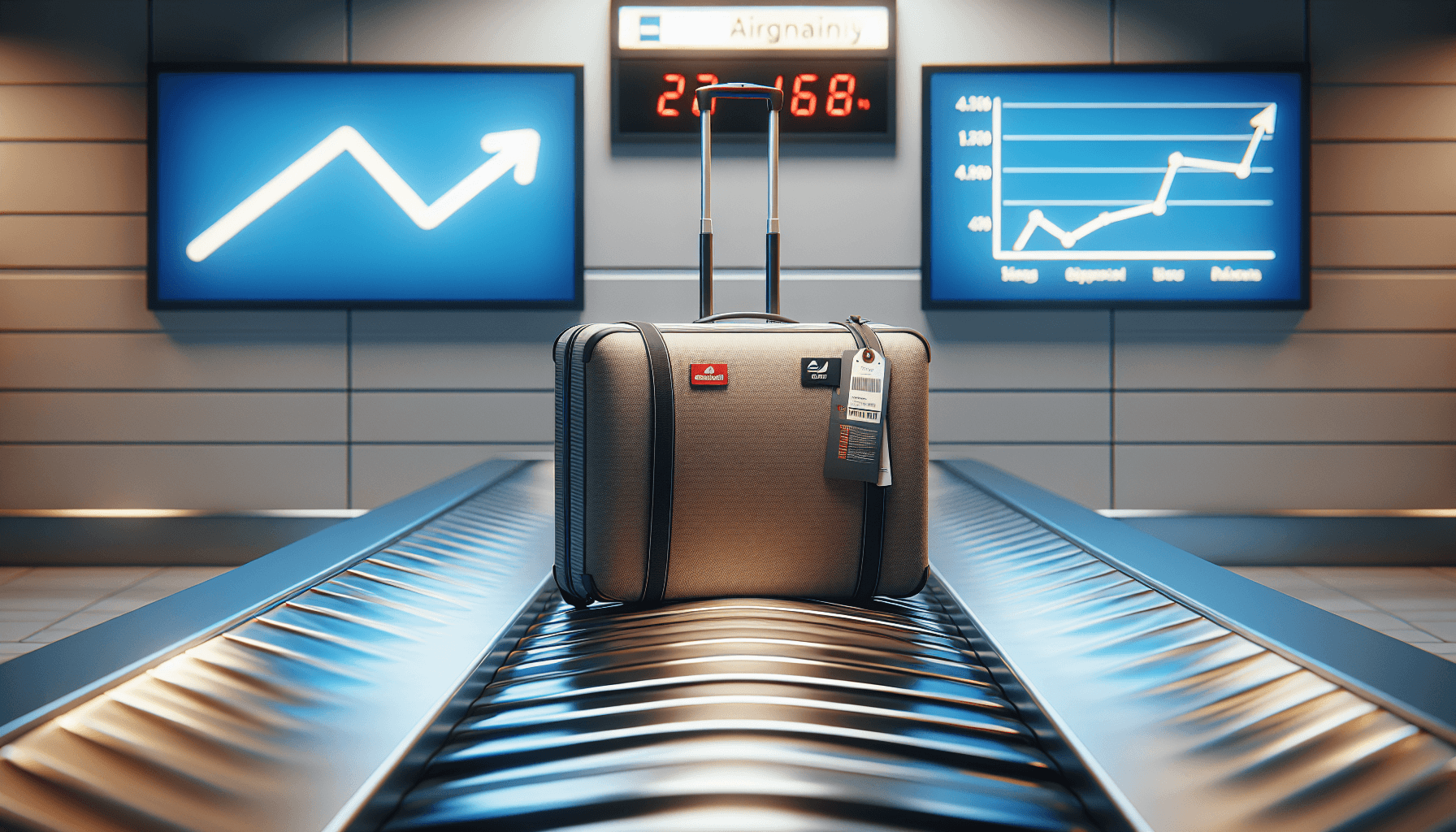
American Airlines Ups Checked Bag Fees Amid Soaring Fuel Prices
American Airlines has announced an increase in its checked baggage fees, adding an extra $10 to the cost for passengers. This significant adjustment comes as the airline industry grapples with persistently high and volatile jet fuel prices, a major operational expense. For many travelers, this change means re-evaluating their packing strategies and overall travel budgets, especially for international trips or family vacations where multiple bags are common.
The hike reflects a broader trend within the aviation sector, where carriers are increasingly passing on rising operational costs to consumers through ancillary fees. While airlines emphasize these charges are necessary to maintain profitability and service levels, passengers often feel the pinch directly in their wallets.
The New Fee Structure: What to Expect
Under the updated policy, the first checked bag for domestic flights will typically cost more, with a similar increase applied to subsequent bags and international routes. Exact figures can vary based on fare class, loyalty status, and specific routes, but the general trend is a $10 increment across the board for most standard checked baggage. This makes American Airlines one of the latest major carriers to adjust its fee structure in response to economic pressures.
- First checked bag: Increased by $10
- Second checked bag: Increased by $10
- Impacts both domestic and international routes (with variations)
- Loyalty program members or certain credit card holders may still receive waivers or discounts.
Diving into the "Why": The Fuel Cost Conundrum
The primary driver behind American Airlines' decision is the unrelenting surge in jet fuel costs. Fuel represents one of the largest and most unpredictable expenditures for airlines, often accounting for 20-30% of their total operating costs. Global events, geopolitical tensions, and supply chain disruptions have all contributed to a volatile energy market, pushing crude oil and, consequently, jet fuel prices to multi-year highs.
Airlines have limited options when faced with such significant cost increases. They can absorb the costs, cut services, or pass them on to consumers. Ancillary fees, like checked bag charges, offer a direct way to offset these expenses without necessarily raising base ticket prices across the board, which can be less competitive in the market.
Navigating the Rising Costs: Impact on Travelers
For the average traveler, these increased fees translate directly into a higher total cost for their trip. Budget-conscious individuals and families will need to factor in these additional charges when planning their journeys. This could influence decisions ranging from which airline to fly, to how much luggage they bring, or even the duration of their trip.
Smart Strategies for Savvy Travelers
While the fee hike is unwelcome news, there are several strategies passengers can employ to minimize its impact:
- Pack Lighter: Opt for carry-on only if possible. Most airlines still allow a free carry-on bag and a personal item, which can often accommodate enough for shorter trips.
- Leverage Loyalty Programs: Elite status members of American Airlines' AAdvantage program often receive complimentary checked bags. Building loyalty can pay off in the long run.
- Utilize Airline Credit Cards: Many co-branded American Airlines credit cards offer perks like a free first checked bag for the cardholder and companions on the same reservation. This benefit alone can often justify the annual fee for frequent flyers.
- Consider Shipping: For very heavy or numerous items, especially on long trips, specialized luggage shipping services might be a cost-effective alternative to airline fees.
- Compare All-Inclusive Fares: When booking, compare not just the base ticket price, but the total cost including all potential fees. Sometimes a slightly higher base fare on another airline might include checked bags, making it cheaper overall.
The Broader Picture: A Trend in Aviation
American Airlines' move is not an isolated incident. Other major carriers have also adjusted or are considering adjusting their ancillary fees in response to the challenging economic climate. This trend suggests that higher travel costs, particularly related to baggage, may become the new normal across the industry. As fuel prices remain unpredictable, passengers should prepare for continued evolution in airline pricing strategies.
Ultimately, travelers must remain vigilant and adaptable. By understanding the reasons behind these fee changes and employing smart travel strategies, they can better manage their expenses and continue to enjoy the convenience and joy of air travel.
How this article was made
- Sources
- Fox Business
- Generated on:
- Apr 13, 2026
This content is produced by Acerbo.AI's AI editorial pipeline: source gathering, rewriting and imagery are automated. Editorial oversight stays human.
Related Articles
American Airlines Hikes Checked Bag Fees by $10 Amid Global Jet Fuel Price Surge
American Airlines has increased checked bag fees by $10, citing soaring jet fuel costs. This move adds to the growing expenses for travelers globally.
Budget Airlines Demand $2.5 Billion Federal Lifeline as Jet Fuel Costs Soar
Budget airlines are urgently seeking $2.5 billion in federal aid to combat unprecedented surges in jet fuel prices, threatening affordable travel and industry stability globally.
Global Aviation Soars: Airline Stocks Take Flight as Oil Market Finds Stability
Global airline shares surged on March 17, 2026, following a period of unprecedented calm in the volatile oil market, signaling renewed investor confidence and a brighter outlook for the aviation industry.