
Automated Dreams Derailed: Robot Pizza Startup Picnic Shuts Down and Sells Assets
The ambitious robot pizza startup, Picnic, has ceased operations, selling its assets to an undisclosed buyer. This marks a significant moment for the food automation sector, raising questions about the viability and challenges facing innovative food tech ventures.
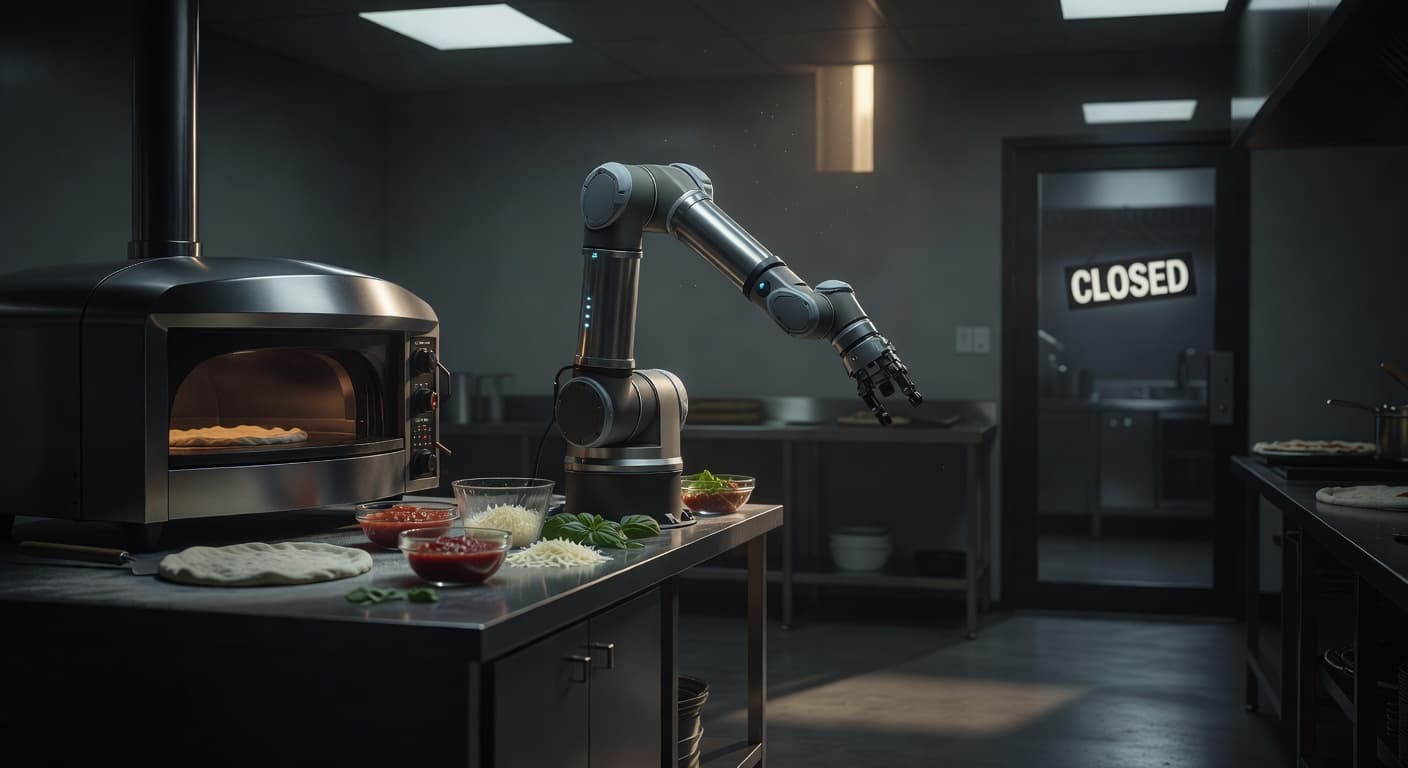
The Rise and Fall of Robot Pizza Dreams
The vision of a fully automated kitchen, where robots meticulously prepare our meals, has long captivated innovators. For a time, Picnic, a Seattle-based startup, was at the forefront of this culinary revolution, promising to streamline pizza production with its advanced robotics. Their system aimed to automate the most repetitive tasks, from sauce spreading to cheese application, promising speed, consistency, and efficiency for commercial kitchens.
However, the dream has hit a significant snag. Recent reports confirm that Picnic has officially shut down its operations, selling all its assets to an unnamed buyer. This abrupt closure sends ripples through the burgeoning food automation and food tech industries, prompting a closer look at the inherent challenges of bringing high-tech solutions to the demanding world of food service.
The Promise of Automation in Food Service
Picnic's core offering was a modular, compact robotic system designed to integrate seamlessly into existing kitchen layouts. The idea was compelling: reduce labor costs, increase throughput, and ensure consistent product quality, especially for high-volume operations like stadiums, cafeterias, and ghost kitchens. Many believed that such innovations were the inevitable future of the restaurant industry, addressing issues like labor shortages and rising operational expenses.
The company had garnered significant attention and investment, showcasing its technology at various industry events and securing partnerships. The promise of pizza perfected by precision robotics was a powerful narrative, attracting both tech enthusiasts and restaurant operators eager for efficiency gains.
Navigating the Complexities of Food Tech Startups
The closure of Picnic underscores the formidable hurdles faced by startups in the food technology space. While the concept of robot pizza is alluring, transforming it into a sustainable, scalable business model is incredibly complex. Several factors often contribute to the struggles of such ventures:
- High Development Costs: Building sophisticated robotics and AI for food preparation requires substantial capital investment in R&D, engineering, and prototyping.
- Scaling Challenges: Moving from a successful prototype to mass production and widespread deployment presents logistical and manufacturing nightmares.
- Market Adoption: Convincing traditional restaurant operators to invest in and integrate new, expensive technology can be a slow and arduous process.
- Operational Hurdles: Robotic systems must be robust, easy to maintain, and capable of handling the diverse and often messy environment of a commercial kitchen.
- Competitive Landscape: The food automation sector is becoming increasingly crowded, with various companies vying for market share in different niches.
The Unnamed Buyer: What Does an Asset Sale Mean?
The sale of Picnic's assets to an undisclosed buyer is a common outcome for startups that cease operations. This typically means that the intellectual property (IP), patents, hardware designs, and possibly even existing inventory or equipment, have been acquired. The identity of the buyer could indicate several possibilities:
- Strategic Acquisition: A larger food tech company or a major restaurant chain might acquire the assets to bolster their own automation efforts or eliminate a potential competitor.
- Talent Acquisition: The buyer might be interested in the engineering talent and expertise behind Picnic's technology.
- Salvage Operation: Another entity might purchase the assets for parts, specific components, or to integrate certain aspects into a different product line.
Regardless of the buyer's identity, the transaction suggests that while Picnic as a company may have failed, the underlying technology and the potential it represents still hold value for others in the industry.
Future Perspectives for Food Automation
The story of Picnic serves as a poignant reminder that innovation is often a path paved with both triumphs and setbacks. While this particular startup failure is a blow to the robot pizza dream, it doesn't necessarily spell the end for food robotics. Instead, it offers crucial lessons for future ventures.
The core demand for increased efficiency and reduced labor dependency in the restaurant industry remains strong. Future successful ventures will likely need to demonstrate not just technological prowess, but also robust business models, clear pathways to profitability, and an acute understanding of the practical realities of commercial kitchens. The journey towards fully automated food preparation continues, albeit with a cautionary tale from Picnic's ambitious but ultimately unfulfilled vision.
How this article was made
- Sources
- GeekWire
- Generated on:
- May 24, 2026
This content is produced by Acerbo.AI's AI editorial pipeline: source gathering, rewriting and imagery are automated. Editorial oversight stays human.
Related Articles
Robot Pizza Dream Derailed: Why Picnic, the Automation Innovator, Closed Its Doors
Pioneering robot pizza startup Picnic has ceased operations, selling off its assets to an undisclosed buyer. This marks a significant moment for the food automation sector, raising questions about the future of automated kitchens.
Robot Pizza Dream Crumbles: Startup Picnic Shuts Down After Asset Sale
Seattle-based robot pizza startup Picnic has ceased operations, selling its innovative food automation assets to an undisclosed buyer, marking a significant moment in the evolving food tech landscape.

OpenAI's Potential Public Debut: A September IPO on the Horizon?
Reports suggest AI leader OpenAI, creator of ChatGPT, is gearing up for a highly anticipated Initial Public Offering (IPO) as early as September, signaling a major shift for the generative AI powerhouse.