
Miami's Streets Transform: Tesla Unleashes Groundbreaking Robotaxi Service
Tesla has officially launched its highly anticipated robotaxi service in Miami, marking a significant leap forward for autonomous vehicles and urban transportation. This driverless fleet promises to redefine urban mobility.
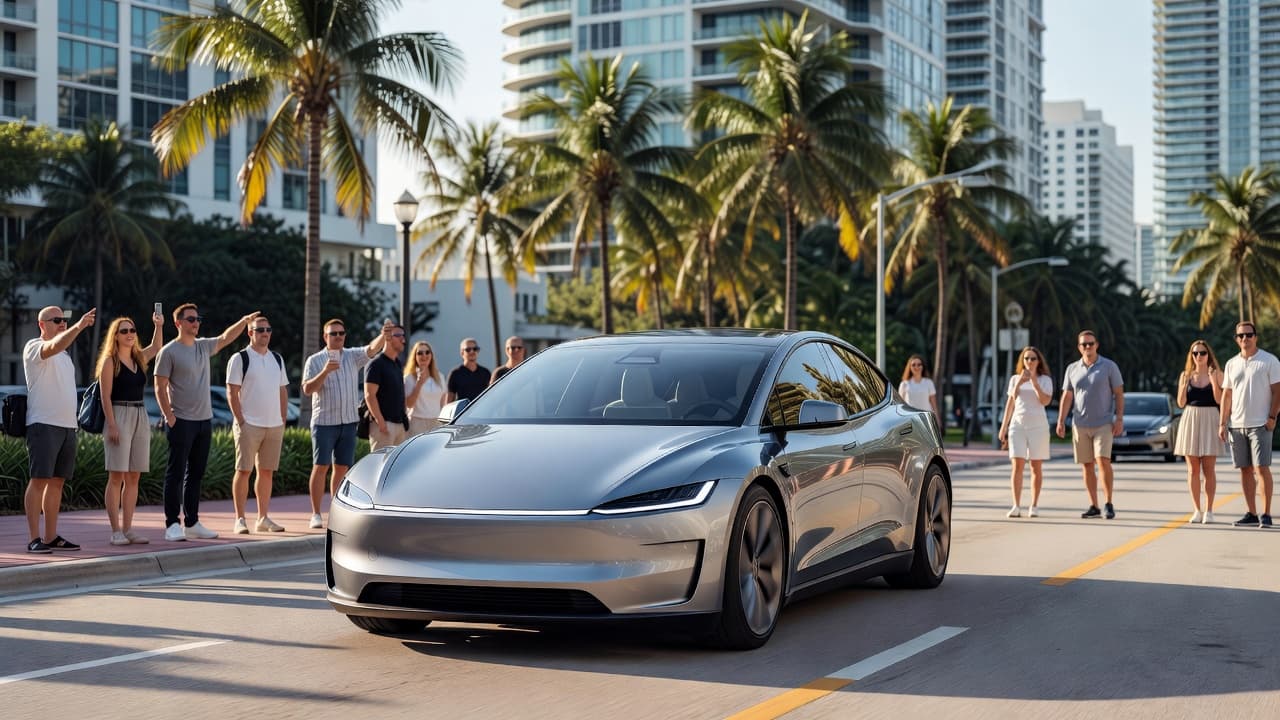
The future of urban transportation isn't just on the horizon; it's officially cruising the vibrant streets of Miami. In a landmark development, Tesla has rolled out its pioneering robotaxi service, transforming the city into a global showcase for autonomous mobility. This isn't just another ride-hailing app; it's a bold step into a driverless future, promising to redefine convenience, safety, and efficiency for residents and visitors alike.
Miami, known for its dynamic culture and forward-thinking embrace of technology, serves as the perfect backdrop for this revolutionary launch. The introduction of Tesla's self-driving fleet marks a pivotal moment, signaling a new era where artificial intelligence seamlessly integrates with daily urban life, moving beyond concept cars and into practical, everyday use.
Miami's Streets Go Driverless: The Robotaxi Era Begins
Imagine hailing a ride that arrives at your doorstep without a human driver, navigating bustling cityscapes with precision and an unwavering commitment to safety. This is the reality Tesla is bringing to Miami. The service leverages Tesla's advanced autonomous driving technology, honed over years of rigorous testing and data collection, to offer a seamless, on-demand transportation experience.
Users can access the robotaxi fleet through a dedicated application, much like existing ride-sharing services, but with the distinct advantage of fully autonomous operation. From South Beach to Brickell, these electric, self-driving vehicles are poised to become an integral part of Miami's transportation network, offering a glimpse into what smart cities worldwide could soon experience.
Tesla's Autonomous Vision: From Concept to Reality
This rollout represents a significant milestone in Elon Musk's long-held vision for Tesla: not just to accelerate the world's transition to sustainable energy, but also to revolutionize transportation through artificial intelligence. The robotaxi service is the culmination of years of investment in sophisticated AI algorithms, neural networks, and a vast array of sensors, primarily cameras, that allow the vehicles to perceive and react to their environment with remarkable accuracy.
Tesla's distinctive approach to autonomy, largely relying on camera vision, sets it apart from some competitors. This strategy, coupled with continuous over-the-air software updates, ensures the robotaxi fleet constantly learns and improves, enhancing its capabilities and safety features with every mile driven. It's a testament to the company's ambitious engineering and software prowess, bringing a long-promised future into the present.
Transforming Urban Life: Benefits and Future Outlook
The potential benefits of a widespread robotaxi service are manifold. For Miami, this could translate into reduced traffic congestion, as optimized routing and fleet management minimize idle vehicles. It also promises enhanced road safety by eliminating human error, a leading cause of accidents. Furthermore, increased accessibility for individuals unable to drive, such as the elderly or those with disabilities, presents a profound societal advantage.
However, the journey to full autonomous integration isn't without its hurdles. Regulatory frameworks need to evolve to keep pace with technological advancements, ensuring public safety and accountability. Public acceptance is another crucial factor; building trust in driverless technology requires transparent operations and a proven track record of reliability. Cybersecurity concerns, data privacy, and the impact on traditional employment sectors also remain key discussion points that will shape the future of this technology.
A Blueprint for Global Urban Mobility
Miami's deployment of Tesla's robotaxi service is more than just a local service launch; it's a global beacon for the autonomous vehicle industry. Success in a complex urban environment like Miami will provide invaluable data and insights, potentially paving the way for similar rollouts in other major cities worldwide. This initiative sets a significant precedent, influencing policies, technological standards, and consumer expectations across the globe.
The implications extend beyond personal transport, hinting at future applications in logistics, public transit, and even emergency services. As Tesla continues to refine its technology and expand its reach, the robotaxi service in Miami stands as a testament to human ingenuity and our relentless pursuit of a more efficient, safer, and technologically advanced future.
In conclusion, Tesla's robotaxi launch in Miami marks a truly transformative moment, signaling a paradigm shift in urban mobility. While challenges remain, the promise of safer, more efficient, and accessible transportation is compelling. This pioneering effort not only elevates Miami's status as a smart city but also accelerates the global journey towards a fully autonomous world, one driverless ride at a time.
How this article was made
- Sources
- Reuters
- Generated on:
- Jul 4, 2026
This content is produced by Acerbo.AI's AI editorial pipeline: source gathering, rewriting and imagery are automated. Editorial oversight stays human.
Related Articles
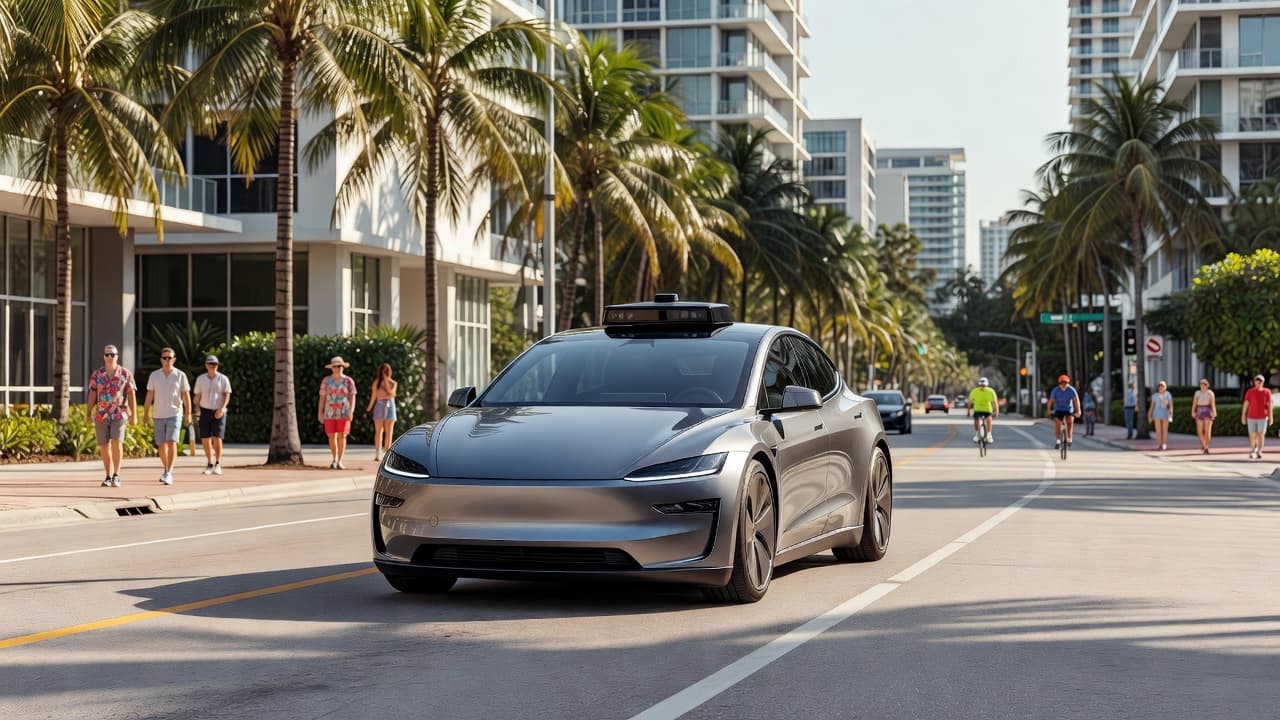
Miami Drives into Tomorrow: Tesla Launches Groundbreaking Robotaxi Service
Tesla has officially rolled out its highly anticipated robotaxi service in Miami, ushering in a new era for urban transportation and autonomous vehicle technology.
Federal Scrutiny Intensifies on Tesla's Full Self-Driving Software
U.S. federal authorities are stepping up their investigation into Tesla's Full Self-Driving (Supervised) software, probing its safety performance and potential risks for drivers and the public.

Unveiling Tomorrow: The Latest in Tech Innovation and Global Startup Trends
Explore the dynamic world of technology and startups, from AI's impact to evolving venture capital trends and sustainable innovation, shaping our future.