
Breakthrough in 31-Year-Old Math Enigma by Microsoft Researchers
Microsoft researchers have made significant strides in solving a long-standing mathematical puzzle that has baffled experts for decades.
Unraveling a Mathematical Mystery
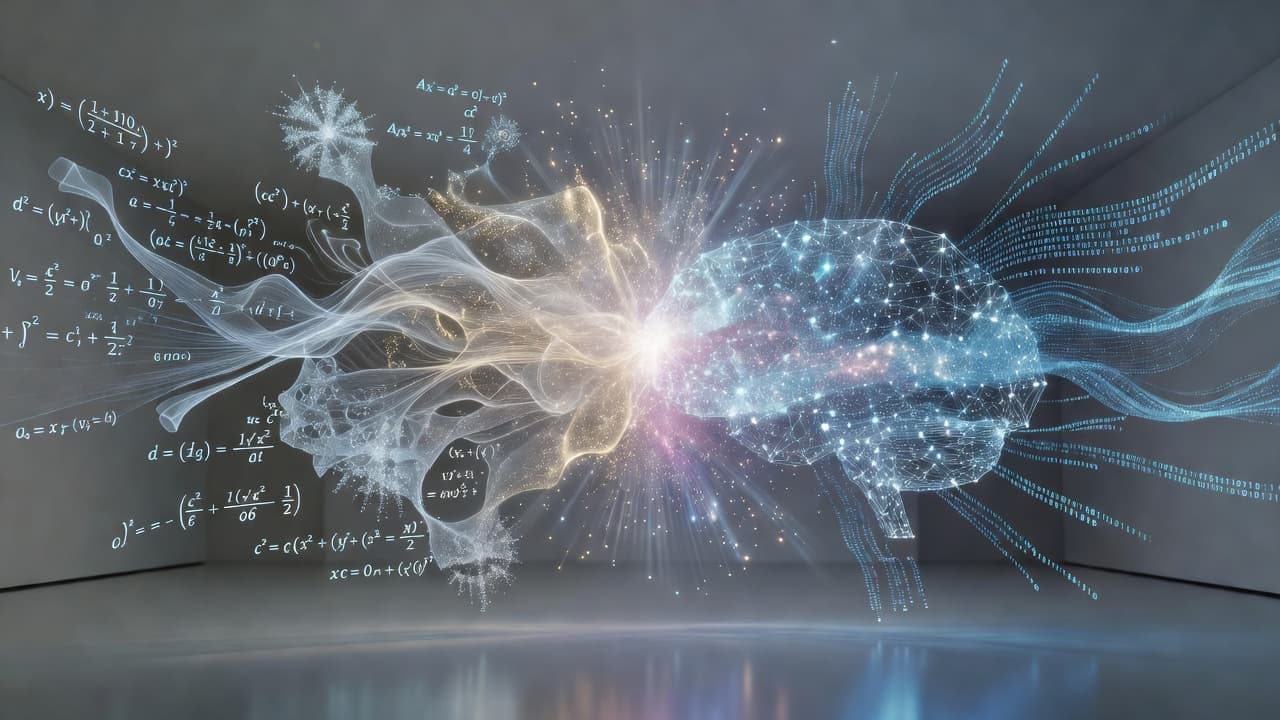
In a remarkable development, researchers at Microsoft have made headway on a mathematical conundrum that has perplexed mathematicians for over three decades. This breakthrough not only sheds light on a longstanding issue in mathematics but also showcases the potential of artificial intelligence in solving complex problems.
The Problem at Hand
The mystery revolves around a specific mathematical problem that has eluded resolution since its inception in the early 1990s. The challenge is deeply rooted in the field of combinatorial mathematics, which deals with counting, arrangement, and combination of objects. The problem has significant implications across various domains, including computer science and cryptography.
AI's Role in the Discovery
Utilizing advanced machine learning techniques, the Microsoft team employed AI algorithms that could analyze vast amounts of data and recognize patterns that human mathematicians might overlook. This innovative approach marks a pivotal moment in the intersection of artificial intelligence and traditional mathematics, demonstrating how computational power can aid in theoretical advancements.
Milestones Achieved
The Microsoft researchers outlined several key milestones in their progress:
- Pattern Recognition: The AI system was able to identify and suggest potential solutions to previously unconsidered angles of the problem.
- Collaboration with Experts: The team engaged with mathematicians worldwide to validate the AI's findings and refine their approach.
- Public Engagement: They have opened up discussions in academic circles, inviting contributions from both seasoned mathematicians and budding enthusiasts.
Implications of the Findings
This breakthrough is not just an academic triumph but also carries significant implications for real-world applications. The insights gained from this research could enhance algorithms used in data encryption, improve optimization techniques, and influence various technological advancements.
Future Perspectives
Looking ahead, the Microsoft team plans to continue their exploration of this mathematical problem, leveraging AI to push the boundaries of what is possible in mathematics. Their work serves as an inspiring example of how technology can augment human capability and drive innovation.
Conclusion
In summary, Microsoft's recent progress on a 31-year-old mathematical mystery highlights the growing synergy between artificial intelligence and mathematics. As researchers continue to explore this field, the potential for groundbreaking discoveries remains vast, promising to unlock further enigmas that have long stumped experts.
How this article was made
- Sources
- Microsoft Source
- Rewriting model:
- openai/gpt-4o-mini
- Image generated with:
- xAI Grok
- Generated on:
- 2h ago
This content is produced by Acerbo.AI's AI editorial pipeline: source gathering, rewriting and imagery are automated. Editorial oversight stays human.
Related Articles

Beyond Borders: AI and Cloud Sovereignty Redefine Digital Control
Discussions on AI and cloud sovereignty are evolving past simple data residency, now encompassing algorithmic control, jurisdictional challenges, and the AI supply chain's strategic importance.
Microsoft's AI Leap: New Hardware & Windows Redefine Computing
Microsoft's latest event unveiled a groundbreaking fusion of AI-optimized hardware and deeply integrated Windows features, signaling a transformative era for personal computing. Explore how AI is set to revolutionize your digital experience.
OpenAI Unveils Math Reasoning on GitHub: A New Era of AI Transparency and Collaborative Scrutiny
OpenAI has made its advanced mathematical reasoning capabilities available on GitHub, inviting global scrutiny and fostering a new level of transparency in AI development.