
mRNA Cancer Vaccines Unleash Potent Anti-Tumor Power by Recruiting a Surprising Immune Ally
New research reveals mRNA cancer vaccines activate a previously overlooked immune cell, leading to significantly enhanced and powerful tumor-fighting responses.
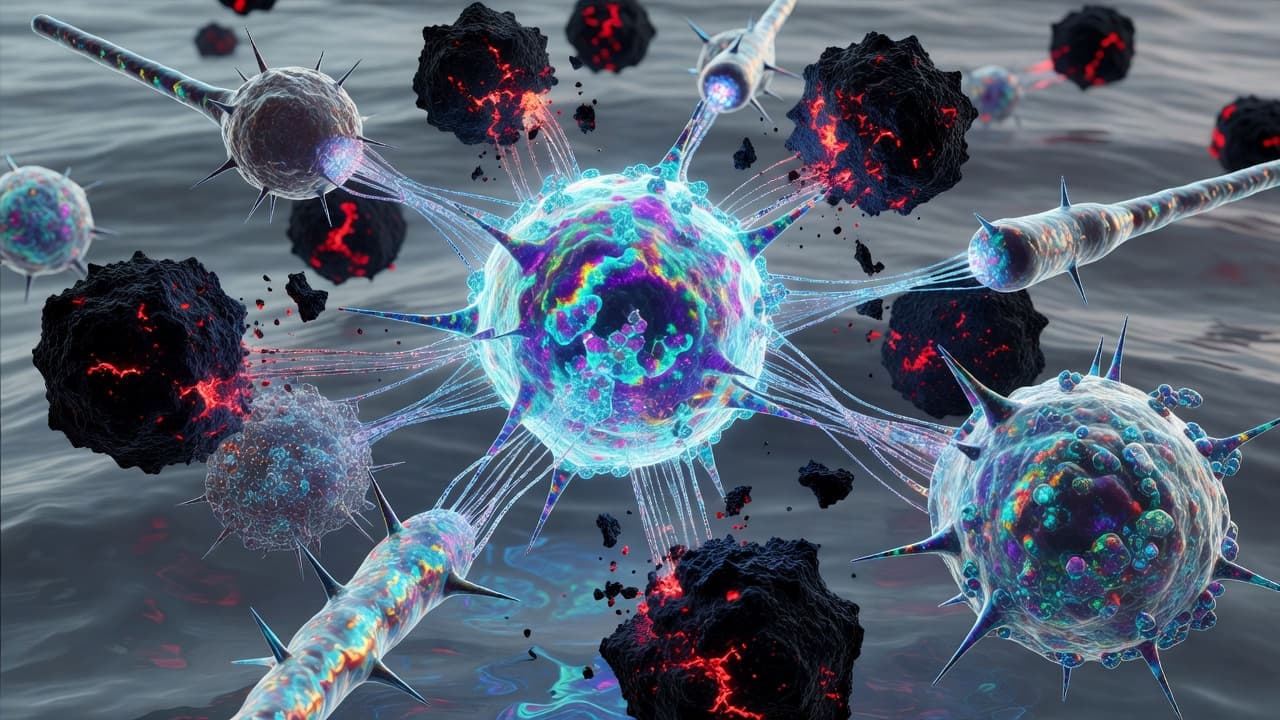
Revolutionizing Cancer Treatment: The mRNA Breakthrough
The landscape of cancer therapy is constantly evolving, with immunotherapies showing immense promise in harnessing the body's own defenses against disease. Among these, mRNA vaccine technology, popularized by its success in infectious disease, is now making significant strides in oncology. Recent groundbreaking research highlights an unexpected mechanism by which these innovative cancer vaccines are achieving their powerful anti-tumor effects: by enlisting a surprising, previously underestimated immune cell.
Unmasking a New Player in the Immune Arsenal
For years, the focus of cancer immunotherapy has largely been on T-cells, the immune system's highly specialized 'killer' cells that directly target and destroy cancerous cells. However, new findings indicate that mRNA cancer vaccines don't just activate these known heroes; they also recruit an unexpected immune cell population to the fight. This novel recruitment strategy appears to be a critical component of the robust and durable anti-tumor responses observed.
Scientists discovered that these vaccines are far more sophisticated than previously imagined. Instead of a singular pathway, they orchestrate a broader immune response, bringing diverse cellular components into play. This expansion of the immune system's toolkit against cancer opens up exciting new avenues for therapeutic development.
How mRNA Vaccines Supercharge Immunity
mRNA cancer vaccines work by delivering genetic instructions to the body's cells, teaching them to produce specific proteins found on tumor cells. This 'training' essentially educates the immune system to recognize and attack these cancer markers. The new research suggests that this education process is more comprehensive, stimulating not just the adaptive immune system (T-cells, B-cells) but also influencing components of the innate immune system or other less-understood cell types.
The recruitment of this particular immune cell appears to amplify the overall anti-tumor attack. It may contribute through various mechanisms, such as:
- Enhanced Antigen Presentation: Better presenting cancer markers to T-cells.
- Cytokine Production: Releasing signaling molecules that boost immune activity.
- Direct Tumor Killing: Potentially engaging in direct destruction of cancer cells or preparing them for T-cell attack.
- Immune Memory: Contributing to the formation of long-lasting immunity against recurrence.
Paving the Way for More Effective Therapies
Understanding this expanded immune recruitment mechanism is a significant leap forward. It provides crucial insights into how mRNA cancer vaccines achieve such potent results and offers a blueprint for optimizing future treatments. By identifying this unexpected immune cell and its role, researchers can now design next-generation vaccines that specifically target and enhance its activity, potentially leading to even stronger and more widespread tumor regression.
The implications of this discovery are profound. It suggests that many existing and developing immunotherapies might be optimized by understanding and leveraging these broader immune interactions. This could lead to therapies that are not only more effective against a wider range of cancers but also potentially reduce the likelihood of resistance, a common challenge in oncology.
The Future of Cancer Immunotherapy
This breakthrough underscores the dynamic nature of our immune system and its untapped potential in fighting complex diseases like cancer. As research continues, identifying the specific characteristics and optimal activation strategies for this newly recognized immune ally will be paramount. The future of cancer immunotherapy looks brighter than ever, with mRNA technology at the forefront, continually revealing new ways to empower the body to heal itself.
How this article was made
- Sources
- ScienceDaily
- Generated on:
- Jul 12, 2026
This content is produced by Acerbo.AI's AI editorial pipeline: source gathering, rewriting and imagery are automated. Editorial oversight stays human.
Related Articles
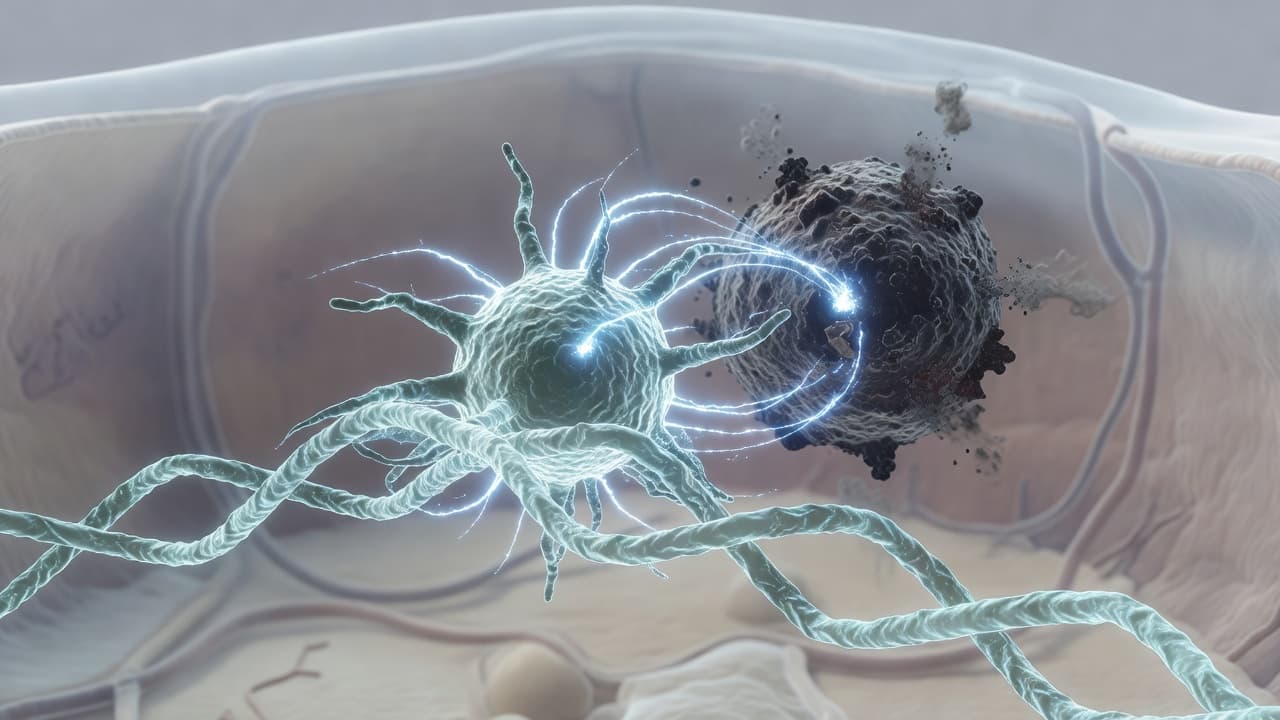
mRNA Cancer Vaccines Unleash a Surprise Immune Ally for Potent Tumor Defense
Groundbreaking research reveals mRNA cancer vaccines recruit an 'unexpected' immune cell, significantly amplifying the body's ability to fight and eliminate tumors. This discovery opens new avenues for advanced cancer treatments.
Revolutionary Strides: Two Groundbreaking Discoveries Reshape Neurological and Cancer Treatments
Recent scientific advancements promise to transform the landscape of neurological disorder and cancer treatment, offering new hope through innovative therapies and deeper biological understanding.
Dual Triumph: Groundbreaking Discoveries Propel Fight Against Neurological Disorders and Cancer
Two pioneering research efforts are making waves in medicine, unveiling significant progress in understanding and combating complex neurological conditions and various forms of cancer. These discoveries mark a pivotal moment for global health.