
Rye Pollen's 30-Year Secret Unveiled: A Game-Changer for Cancer Research
Scientists have finally cracked a three-decade-old mystery surrounding rye pollen, revealing insights that could revolutionize future cancer treatments and open new avenues in medical science.
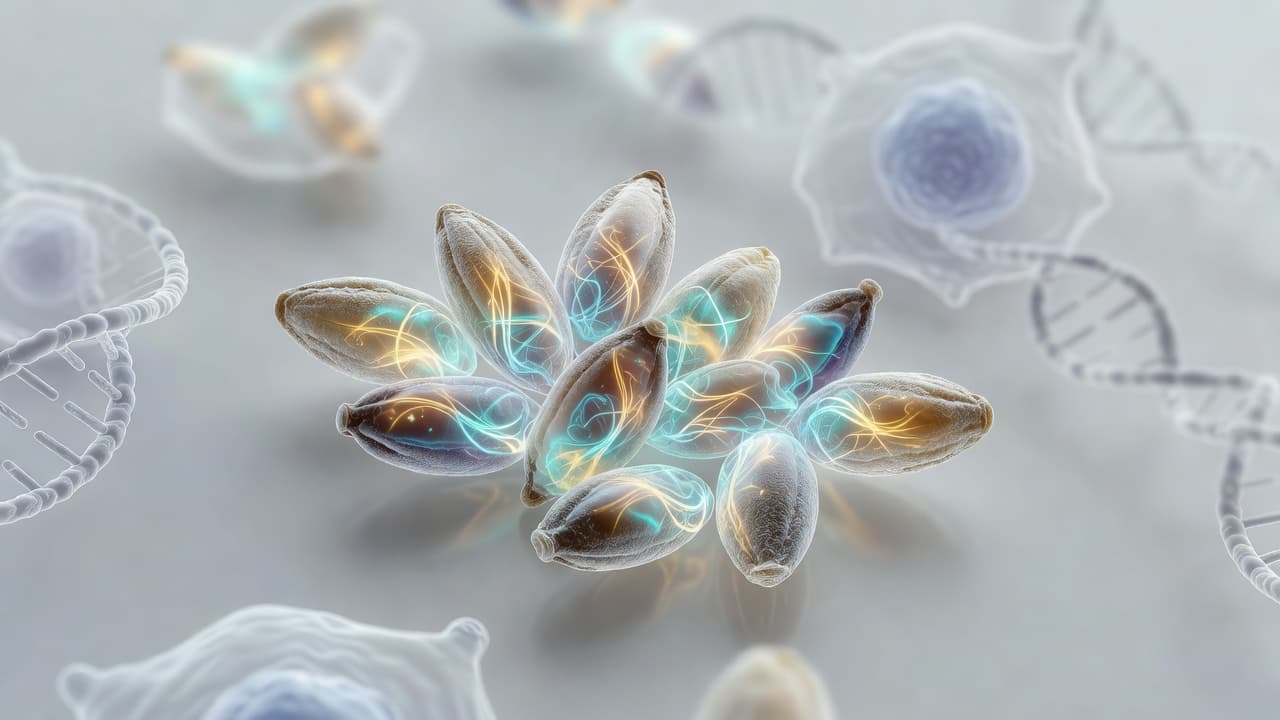
Rye Pollen's 30-Year Secret Unveiled: A Game-Changer for Cancer Research
For over three decades, a specific biological enigma surrounding rye pollen has baffled scientists, representing a stubborn missing piece in the complex puzzle of cellular interactions. Now, a dedicated team of researchers has finally unraveled this long-standing mystery. This monumental breakthrough is not merely an academic triumph; its implications extend far beyond basic science, promising to fundamentally transform the landscape of cancer research and potentially lead to groundbreaking new therapies.
The discovery represents a significant leap forward, not just in understanding botanical biology but in grasping fundamental mechanisms that govern cellular communication. This newfound insight into how certain natural compounds interact with biological systems carries profound implications for medicine, particularly in the relentless global fight against cancer.
Unpacking the Persistent Rye Pollen Puzzle
The enigma surrounding rye pollen centered on its unique biological properties, which had been consistently observed to elicit peculiar and unexplained cellular responses in laboratory settings. Despite extensive scientific inquiry, the exact molecular mechanism behind these interactions remained stubbornly obscure, severely hindering efforts to harness or fully understand its therapeutic potential. Researchers knew something significant was happening at a microscopic level, but the precise 'how' and 'why' were stubbornly hidden.
This persistent scientific blind spot meant that a potential goldmine of biological information lay untapped. Understanding the intricate pathways involved in rye pollen's interaction with human cells was crucial, not only for advancing allergy research but also for broader immunological studies. The primary challenge involved isolating and identifying the specific components within the pollen and their corresponding cellular targets responsible for these observed effects.
The Breakthrough: A New Era of Cellular Understanding
The recent groundbreaking findings pinpoint the precise molecular mechanism that has eluded scientists for generations. Researchers have successfully identified the key compounds within rye pollen and their specific receptors on human cells, effectively unlocking the secrets of their intricate interaction. This detailed understanding reveals a sophisticated communication pathway previously unknown to science.
- Identification of Key Biomolecules: The research team meticulously isolated and characterized the specific molecules in rye pollen responsible for triggering the unique cellular responses.
- Mapping Receptor Pathways: They precisely mapped out the corresponding receptors on human cells, detailing the exact binding sites and the subsequent signaling cascades initiated upon interaction.
- Unveiling Immunomodulatory Effects: Crucially, the study illuminated how these specific interactions can effectively modulate the body's immune responses, providing a critical insight for future therapeutic development.
This comprehensive elucidation of the mechanism provides a clear and actionable roadmap for further investigation and application, elevating rye pollen from a mere scientific curiosity to a potent, potential therapeutic agent.
Revolutionizing Cancer Research and Treatment Strategies
Perhaps the most exhilarating aspect of this discovery lies in its profound potential to revolutionize cancer research and treatment methodologies. By understanding precisely how rye pollen components interact with human cells and modulate immune responses, scientists can now explore entirely novel strategies for targeting cancerous cells or significantly bolstering the body's natural defenses against tumor growth and metastasis.
One particularly promising avenue involves leveraging these newly discovered pathways to develop highly targeted drug delivery systems. Imagine a future where specific compounds derived from rye pollen could be ingeniously engineered to carry potent anti-cancer agents directly and selectively to tumor cells, thereby minimizing collateral damage and severe side effects on healthy tissues. Furthermore, the identified immunomodulatory properties could pave the way for innovative new immunotherapies that effectively 'teach' the body's own immune system to recognize, attack, and destroy cancer cells with unprecedented precision and efficacy.
This breakthrough offers a fresh, biologically informed perspective on designing future therapies, moving significantly beyond many traditional approaches. It suggests the exciting possibility of harnessing and optimizing natural biological interactions to create more precise, potent, and potentially less toxic treatments for various aggressive forms of cancer, offering renewed hope to patients worldwide.
The Road Ahead: From Lab Bench to Patient Bedside
While this initial discovery is undeniably monumental, the journey from a laboratory finding to widespread clinical application is often extensive and complex. The immediate next steps will involve rigorous preclinical testing, followed by comprehensive human clinical trials to meticulously assess the safety and efficacy of any derived therapies. However, the foundational knowledge gained from solving this 30-year mystery provides an unprecedented and robust starting point for these critical developments.
This groundbreaking research powerfully underscores the immense value of sustained scientific inquiry, even into phenomena that may initially seem obscure or niche. The unlocking of rye pollen's long-held secret serves as a compelling reminder that answers to some of humanity's most pressing health challenges may indeed lie hidden in plain sight, patiently waiting for dedicated minds to uncover them. It truly ignites a new beacon of hope for millions battling cancer across the globe.
How this article was made
- Sources
- ScienceDaily
- Generated on:
- Jul 8, 2026
This content is produced by Acerbo.AI's AI editorial pipeline: source gathering, rewriting and imagery are automated. Editorial oversight stays human.
Related Articles
Unlocking a 30-Year Rye Pollen Enigma: A Potential Game-Changer for Cancer Research
Scientists have finally cracked a three-decade-old mystery surrounding rye pollen, revealing a biological mechanism with profound implications for future cancer therapies.
Unlocking a 30-Year Rye Pollen Enigma: A New Horizon for Cancer Therapies
Scientists have finally cracked a three-decade mystery surrounding rye pollen, revealing insights that could profoundly impact future cancer research and drug development.
Decades-Old Rye Pollen Enigma Unlocked, Paving New Paths in Cancer Therapy
After 30 years, researchers have finally unraveled a complex mystery within rye pollen. This groundbreaking discovery holds immense promise, potentially reshaping our approach to cancer diagnosis and therapy.