
Nano-Breakthrough: Alzheimer's Symptoms Reversed in Mice, Offering New Hope for Brain Health
Groundbreaking nanotechnology research has successfully reversed Alzheimer's symptoms in mice by restoring the brain's natural waste removal system, opening new avenues for future human therapies.
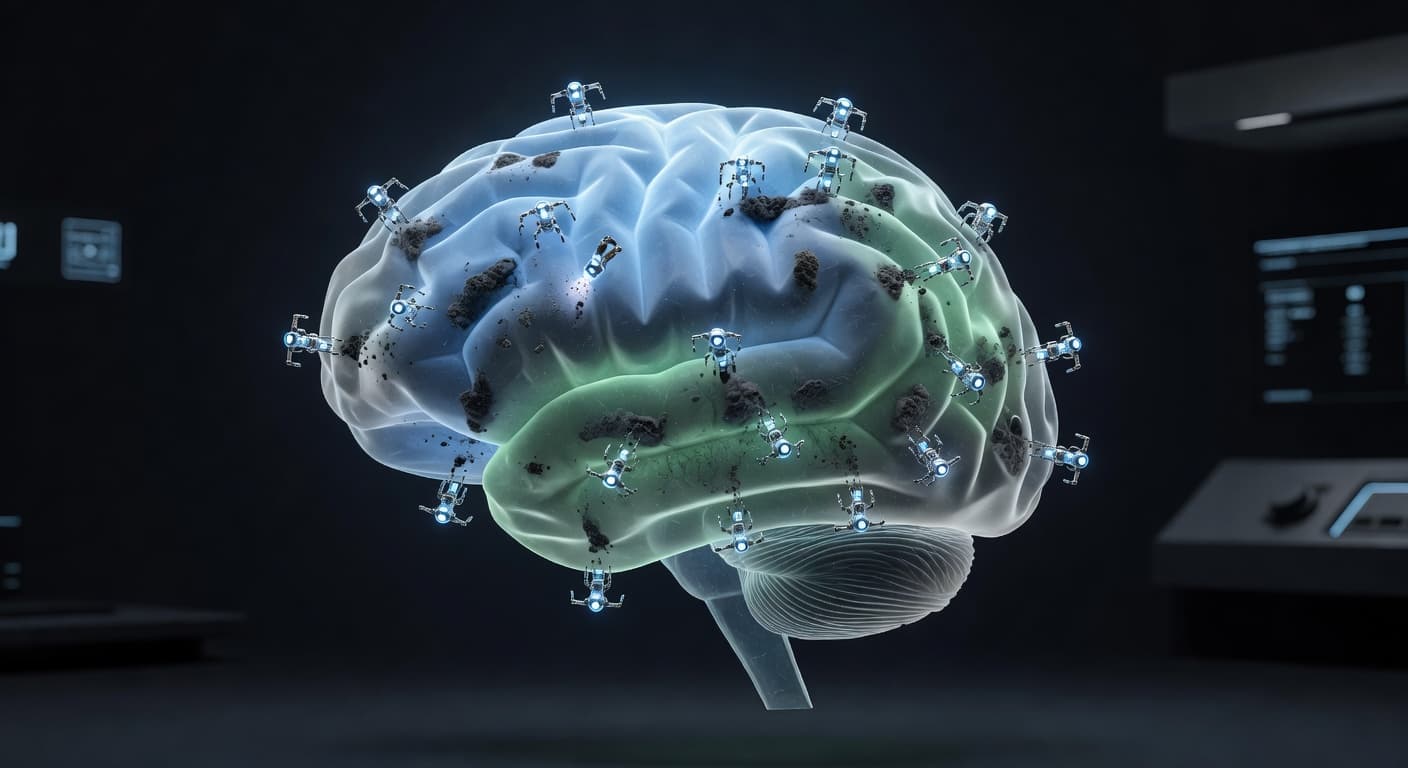
A Beacon of Hope: Nanotechnology Reverses Alzheimer's Symptoms in Mice
Alzheimer's disease casts a long, devastating shadow over millions worldwide, robbing individuals of their memories and independence. For decades, the quest for effective treatments has been challenging, often yielding incremental progress against this complex neurodegenerative condition. However, a recent scientific breakthrough offers a significant beacon of hope. Researchers have successfully reversed Alzheimer's symptoms in mice by employing cutting-edge nanotechnology to restore the brain's crucial waste removal system. This pioneering study could pave the way for entirely new strategies in combating this relentless disease.
The Brain's Intricate Cleanup Crew: A Crucial System
Our brains are remarkably complex organs, and like any intricate machine, they require a robust maintenance system. This includes a specialized waste disposal network, often referred to as the glymphatic system. During sleep, cerebrospinal fluid flushes through brain tissue, clearing out metabolic byproducts and harmful proteins, notably amyloid-beta plaques and tau tangles, which are hallmarks of Alzheimer's disease. In individuals with Alzheimer's, this vital cleanup system becomes sluggish and inefficient, allowing toxic proteins to accumulate and cause neuronal damage and cognitive decline.
Nanotechnology to the Rescue: A Tiny Solution for a Big Problem
The recent study harnessed the power of nanotechnology to address this failing cleanup mechanism. While the specific details of the nanotechnology employed are complex, the core idea revolves around using incredibly tiny particles – nanoparticles – engineered to interact with biological systems at a cellular level. These nano-carriers were designed to either enhance the function of the compromised glymphatic system or directly facilitate the removal of accumulated waste products. This targeted intervention represents a significant leap from traditional drug delivery methods, offering unprecedented precision and efficiency in tackling brain pathology.
Remarkable Reversal in Mouse Models: What the Study Showed
The results observed in the mouse models were nothing short of remarkable. Mice exhibiting Alzheimer's-like symptoms, including cognitive deficits such as impaired memory and learning abilities, showed significant improvement after receiving the nanotechnology treatment. Researchers noted several key findings:
- A substantial reduction in the accumulation of amyloid-beta plaques, a primary pathological hallmark of Alzheimer's.
- Improved synaptic function, indicating healthier communication pathways between brain cells.
- A measurable reversal of cognitive impairments, with treated mice performing significantly better on memory and learning tests.
- Restoration of the brain's waste clearance pathways to a more youthful, efficient state, akin to that of healthy brains.
These findings strongly suggest that restoring the brain's natural detoxification process can directly impact and potentially reverse the progression of Alzheimer's pathology and its associated symptoms, offering a new therapeutic paradigm.
Paving the Path to Human Therapies: The Road Ahead
While these results are incredibly promising, it's crucial to remember that this research is currently confined to animal models. Translating such breakthroughs from mice to humans is a long and arduous journey, fraught with challenges. Key considerations for future development include:
- Safety and biocompatibility: Ensuring the nanotechnology is safe for human use over the long term, with no unforeseen side effects.
- Efficacy: Confirming the treatment's effectiveness in human brains, which are far more complex and varied.
- Delivery methods: Developing practical, non-invasive, and scalable ways to administer the nanoparticles to patients.
- Ethical considerations: Navigating the implications of such advanced medical interventions and ensuring equitable access.
Nevertheless, this study provides a robust conceptual framework and a compelling proof-of-concept for a new therapeutic strategy. It shifts the focus from merely targeting amyloid plaques to restoring fundamental brain physiological processes, a potentially more holistic approach.
A New Horizon for Alzheimer's Research
This groundbreaking research utilizing nanotechnology to rejuvenate the brain's natural cleanup system represents a significant milestone in the fight against Alzheimer's disease. By demonstrating the reversal of symptoms in mice, scientists have opened an exciting new avenue for developing future treatments. While human clinical trials are still distant, this study fuels optimism and underscores the power of innovative approaches in confronting one of humanity's most challenging medical mysteries. It reinforces the idea that understanding and restoring the brain's intrinsic mechanisms might hold the key to unlocking a healthier future for millions globally affected by neurodegenerative diseases.
How this article was made
- Sources
- ScienceDaily
- Generated on:
- May 20, 2026
This content is produced by Acerbo.AI's AI editorial pipeline: source gathering, rewriting and imagery are automated. Editorial oversight stays human.
Related Articles
Revolutionary Strides: Two Groundbreaking Discoveries Reshape Neurological and Cancer Treatments
Recent scientific advancements promise to transform the landscape of neurological disorder and cancer treatment, offering new hope through innovative therapies and deeper biological understanding.
AI Breakthrough: Unveiling Hidden Chemical Secrets of the Alzheimer's Brain
Cutting-edge AI is revolutionizing Alzheimer's research, revealing previously undetected chemical changes in the brain. This discovery could pave the way for earlier diagnosis and more effective treatments.
UCSF Unveils Dual Breakthroughs: New Hope for Neurological Disorders and Cancer
Researchers at UCSF have announced two monumental scientific advancements offering fresh hope in the global fight against debilitating neurological conditions and various forms of cancer.